The customer says the box was empty: what packing evidence can show


On this page
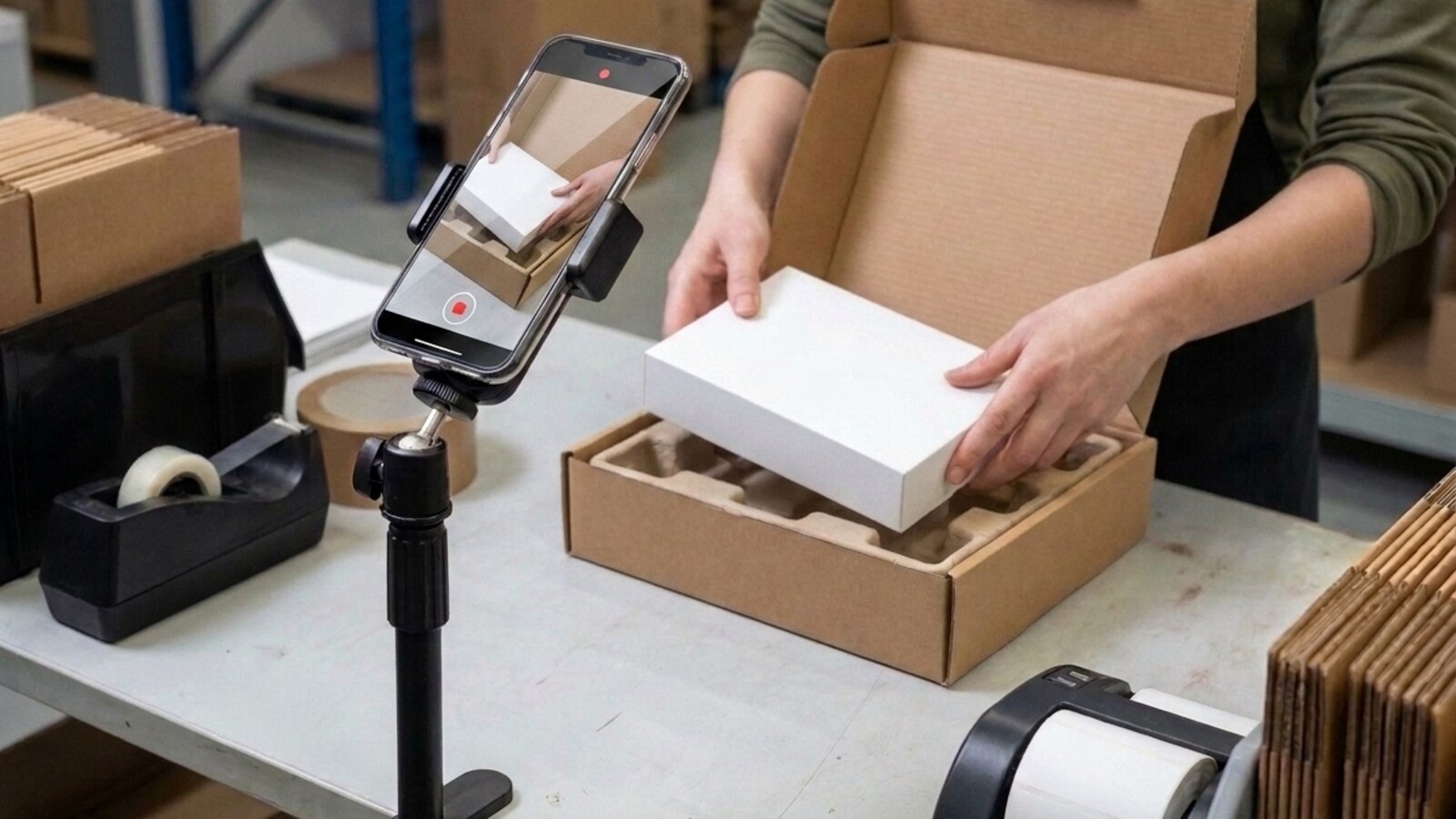
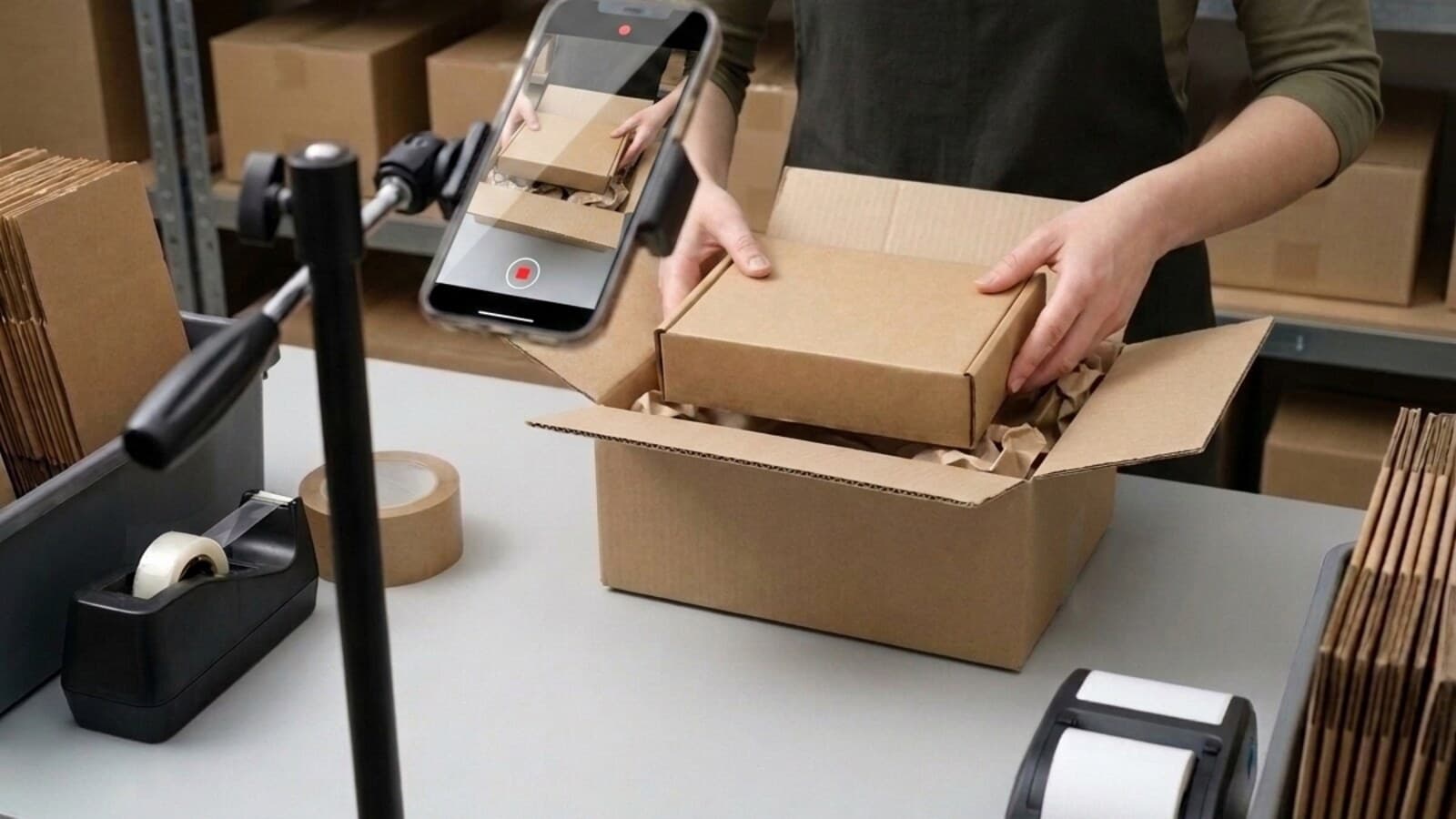
Every seller who ships enough orders eventually gets this message: the buyer says the box arrived empty. It is one of the most disputed claims in e-commerce, precisely because it is one of the hardest to argue against after the fact: you cannot reopen a box that has already been delivered. The category that exists to answer it is packing video proof — a recording tied to the order and sealed so a stranger can check it; the rest of this piece assumes you want to know what that looks like in an empty box case specifically.
Why this claim is harder than "wrong item"
A wrong-item claim usually leaves something to compare: a size label, a different product, a mismatched SKU. An empty box claim leaves nothing. The buyer's box is empty when it arrives; your only account of what was inside it is your own word, recorded nowhere unless you made a point of recording it.
That symmetry (your word against theirs) is exactly why platforms default to the buyer. Reviewers cannot inspect a box that no longer exists in the state it arrived. Absent evidence, the safer assumption for a marketplace to make is that the buyer is telling the truth, because the cost of being wrong about a fraudulent seller is reputationally worse for the platform than the cost of one buyer receiving a free item.
What actually settles it
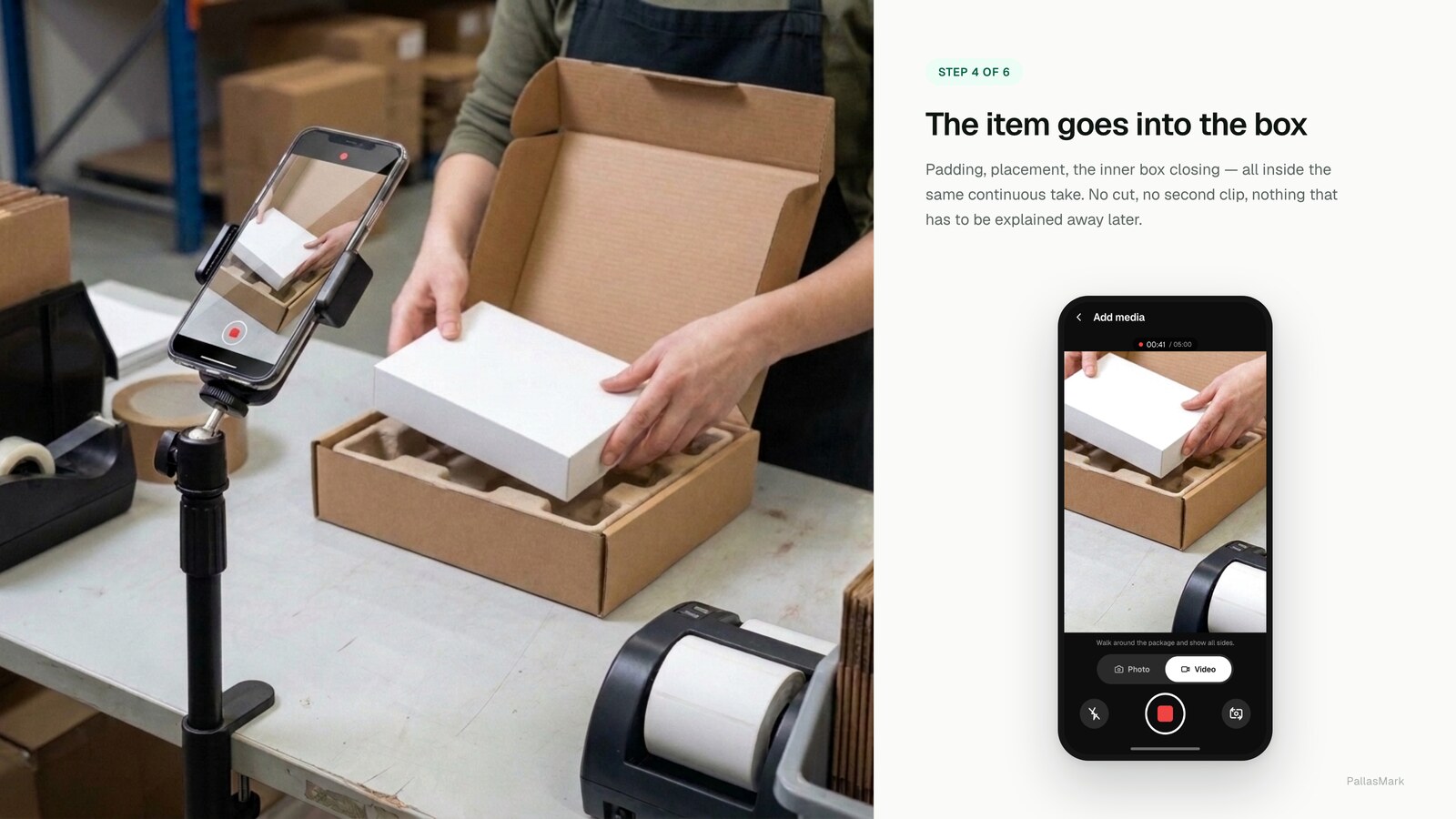
A pre-shipment recording showing the item going into the box is the only evidence that speaks to the moment in question. Everything else is circumstantial:
- Tracking confirms delivery, not contents.
- The invoice confirms what was ordered, which nobody disputes. The claim is about what was packed.
- A packing photo taken after the box is sealed proves a sealed box exists, not what is inside it.
- Warehouse CCTV, unless it is tied to the specific order and timestamped in a way that survives scrutiny, is hard to match to one claim among hundreds of orders a day.
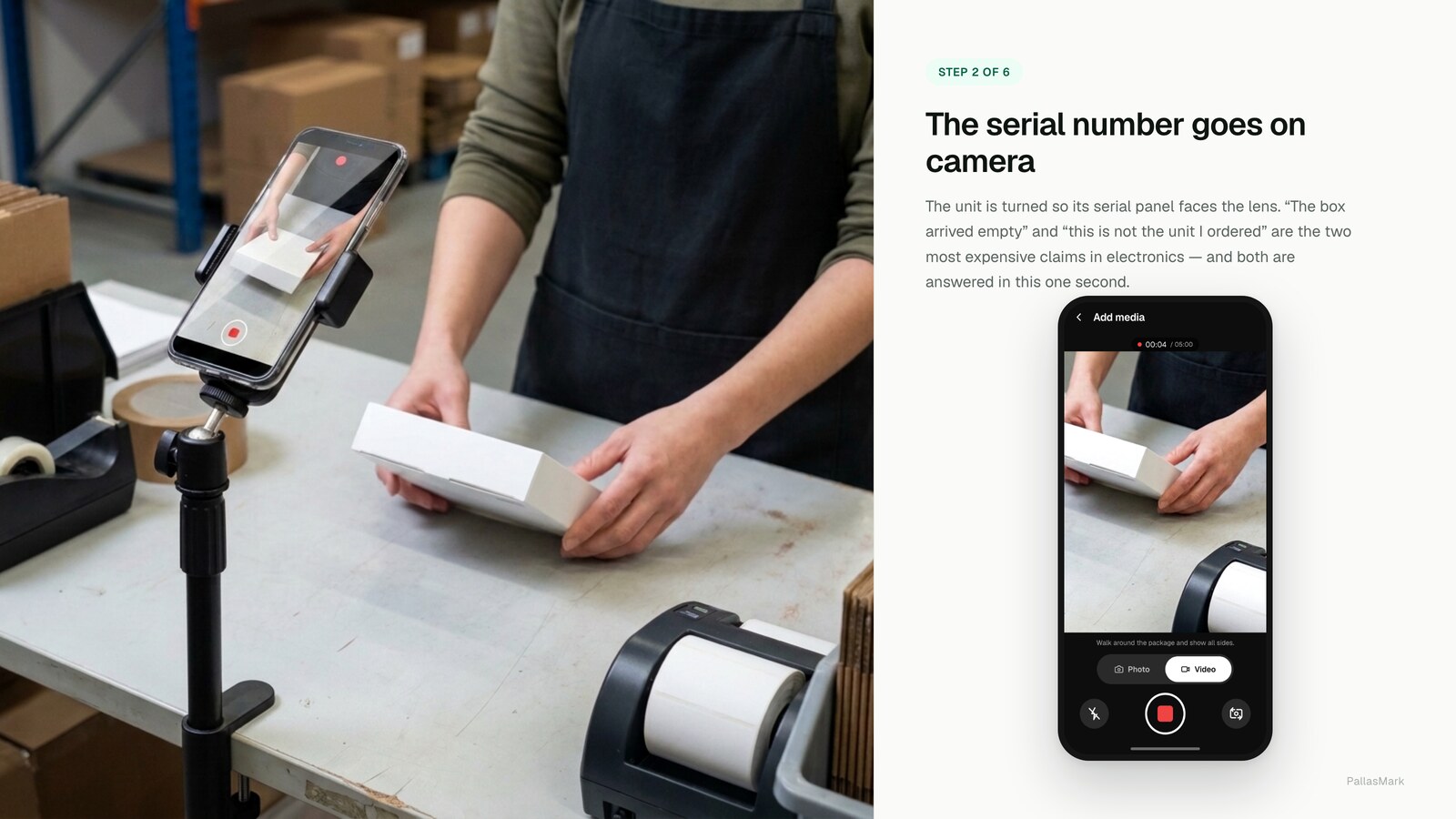
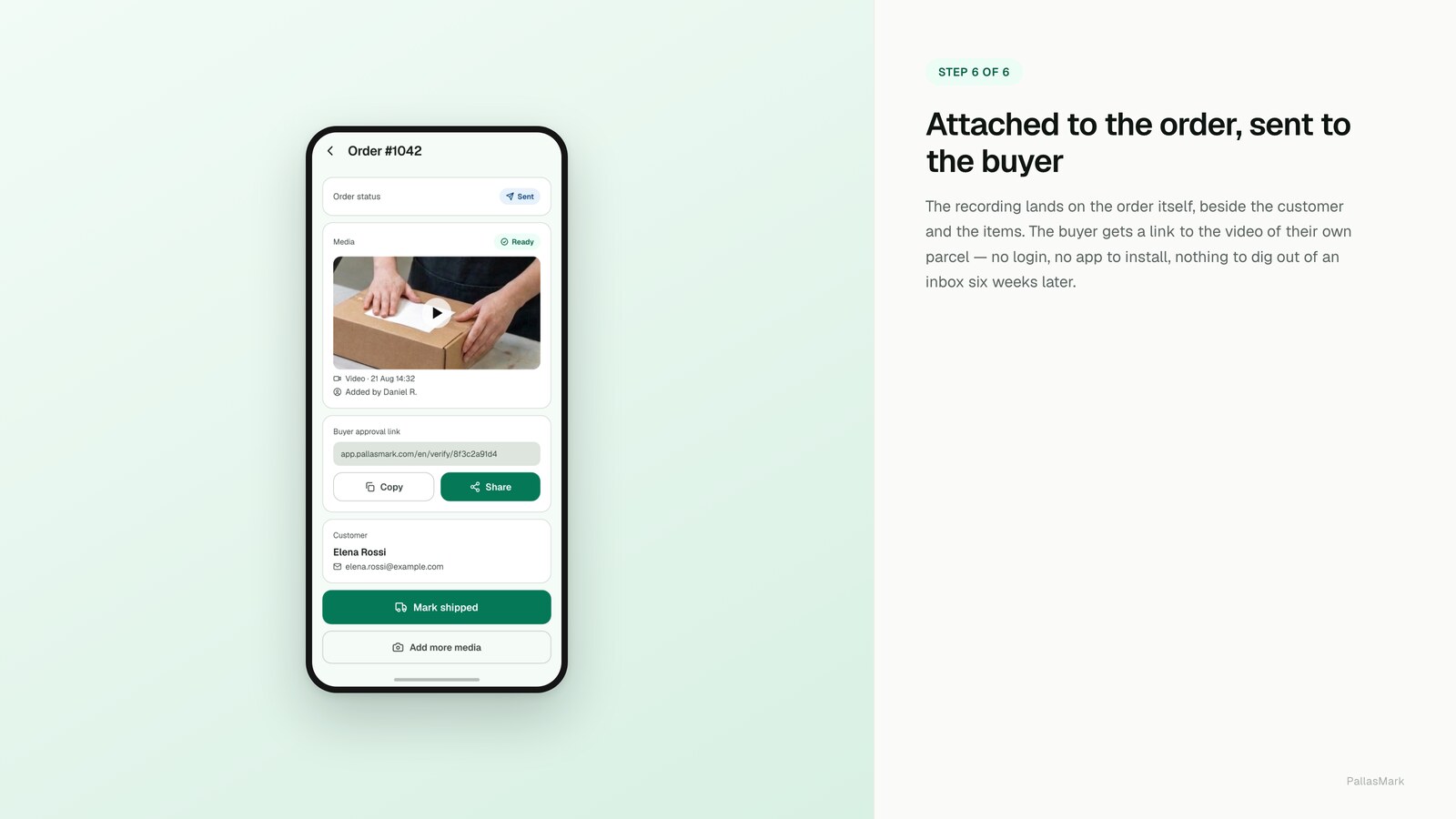
A recording that shows the order identifier and the item together, continuing through the box closing, is the one piece of evidence that actually answers "was this item packed." The full standard for what makes that recording usable is in what makes a packing video count as evidence; this article is about the specific claim, not the general standard.
Empty box versus item never delivered
These get conflated constantly, and the evidence for each is different.
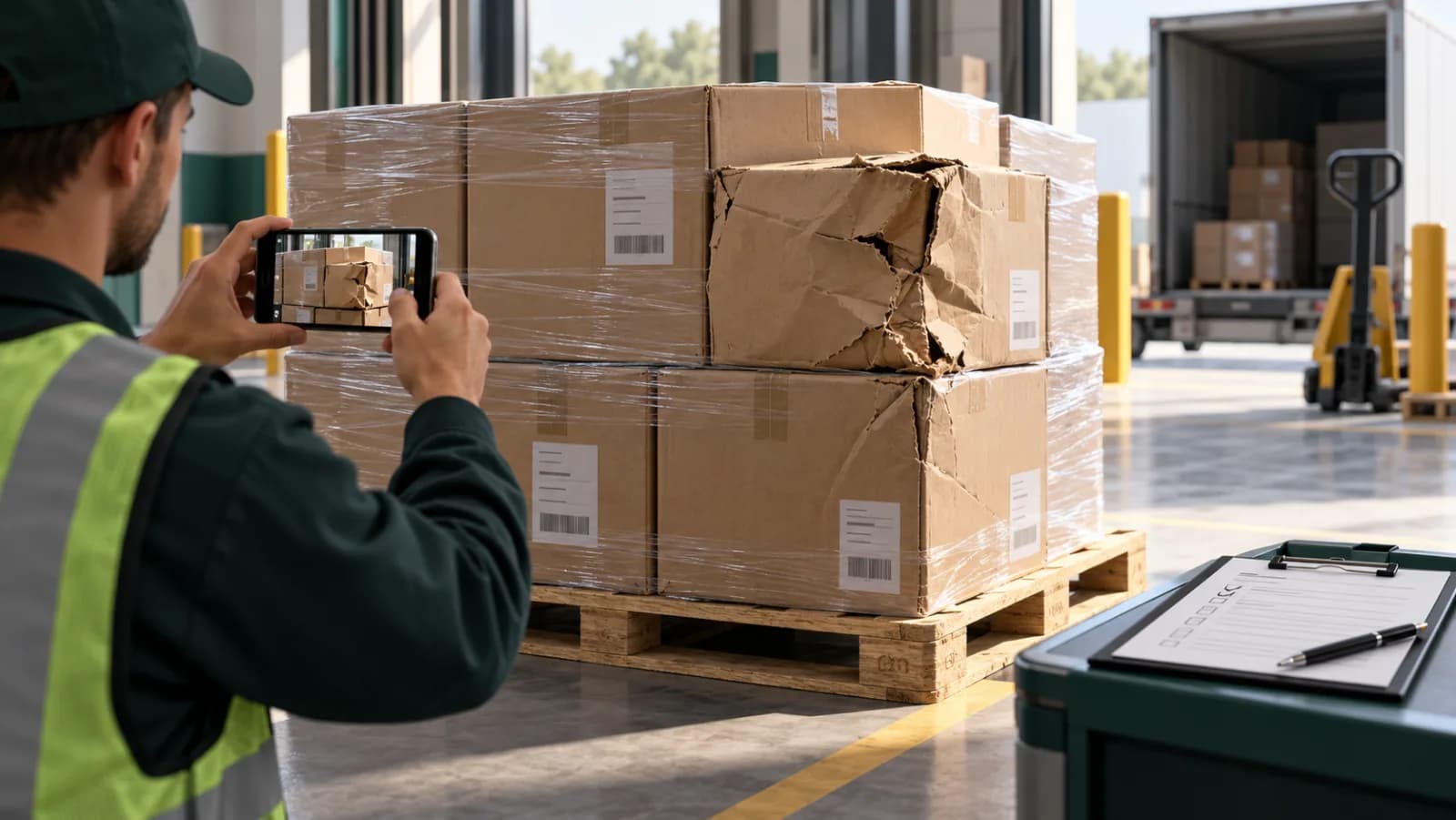
An empty box claim means the parcel arrived. The buyer has it, opened it, and says there was nothing inside. Tracking will show delivery. The question is what was in the box at the moment it was sealed, and a pre-shipment recording answers exactly that.
An item never delivered claim ("item not received") means the parcel, in the buyer's account, never arrived at all. Tracking is the primary evidence here, not a packing recording, because the dispute is about whether delivery happened, not about what was inside a box that indisputably did arrive. If tracking shows delivered and the buyer says otherwise, that is a delivery-location or porch-piracy question, closer to a carrier issue than a packing one.
Where they overlap is the paper trail: both can end up as a chargeback filed with the same reason code, and platforms sometimes let a buyer select either category for what is functionally the same complaint. If you are not sure which one you are looking at, ask directly — "did the package arrive, and was it sealed when it did?" The answer tells you which evidence to pull.
Where carrier weight fits, and where it doesn't
Carrier weight at handoff is worth having, but it is easy to overstate what it proves.
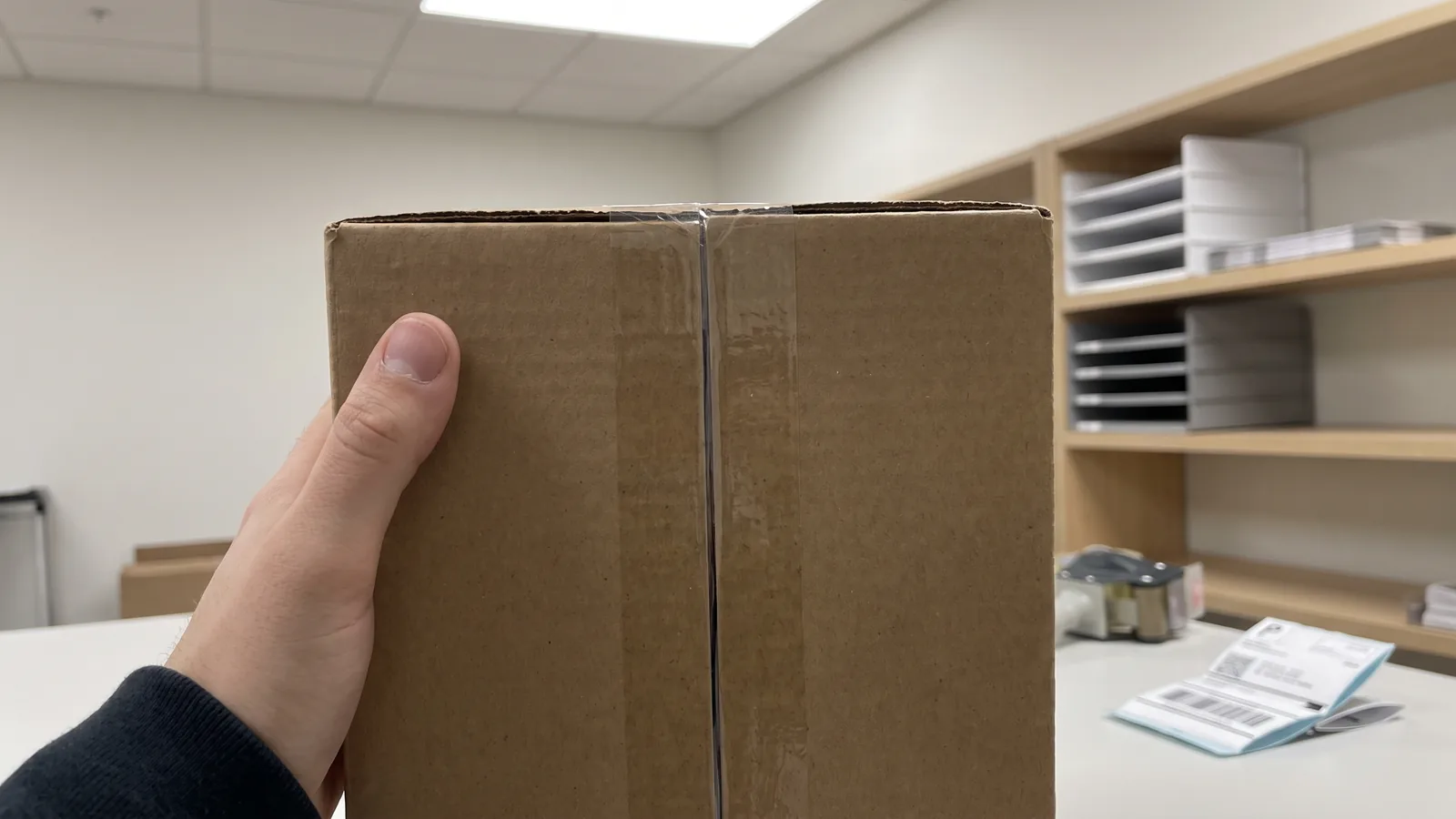
Use it as a second signal alongside your recording, not instead of one. If your carrier portal or shipping software logs weight at handoff, pull it for the disputed order. It costs nothing to include and it strengthens a case that already has real evidence behind it. It does very little on its own.
Where this claim actually gets filed
This is the gap in most advice on the topic: the process differs by platform, and filing through the wrong one gets a strong case rejected on a technicality before anyone looks at the evidence.
| Platform | Where it lands | What to submit |
|---|---|---|
| Amazon | A-to-z Guarantee claim, or SAFE-T claim for reimbursement | Pre-shipment recording, order ID, response through Seller Central's claim form — SAFE-T claims have their own filing window; check it before you need it |
| eBay | Item Not As Described case, or a payment dispute | Pre-shipment recording plus the listing as it stood on the order date |
| PayPal | Item Not Received or Significantly Not As Described case | Proof of shipment plus the pre-shipment recording; PayPal weighs delivery confirmation heavily, so pair it with tracking |
| Shopify | Chargeback through the payment provider (Visa/Mastercard dispute) | One evidence upload, usually one chance: the full pack, not a partial one |
| Etsy | Case in the Resolution Centre | Order photos or video, kept on the platform's own message record |
Who is actually responsible
Not every empty box claim is the same story, and the evidence tells you which one you are in.
| Your recording shows | Buyer's photo shows | Most likely explanation |
|---|---|---|
| Item packed, box sealed on camera | Box empty, seal intact | Loss or theft after handoff, a delivery or carrier issue rather than a packing one |
| Item packed, box sealed on camera | Box empty, seal appears tampered or re-taped | Package was opened and contents removed in transit, a carrier or courier issue |
| No recording | Anything | You are arguing on account alone; settle and fix the process going forward |
| Recording shows an item was missed off a multi-item order | Buyer reports one item missing, not the whole order | This is a short-shipment or missing-unit case, not a full empty-box claim: different evidence, same underlying discipline |
That last row matters: if the buyer says one item is missing from a multi-item shipment rather than the whole box being empty, you are answering a different, narrower question: see proving which unit shipped for that version.
Response templates
Keep the message factual. State what the recording shows; do not argue that the buyer is lying. Let the recording do that work.
That closing line is deliberate. Contesting the buyer's account of what arrived is a losing argument: you were not there. Contesting what you shipped, with evidence from the one moment you do have a record of, is a case you can actually make.
Reducing how often this happens
A related pattern worth separating from this one: if the item does come back but arrives used rather than missing, that is wardrobing, and it needs different evidence and a different response.
Not every empty box claim is fraud, and treating every one as an accusation wastes goodwill on buyers who had a genuine problem: a packer skipping the last visual check, a box that split open in a sorting facility, and a courier mishandling a parcel all produce the exact same complaint from the buyer's side, with no way to tell them apart from the message alone. But patterns are worth tracking: a small number of accounts or a specific product line generating most of your empty box claims is a different situation than isolated, one-off reports spread evenly across your customer base. Recording alone will not tell you which one you have; a simple log of which orders got contested, matched against buyer and SKU, will.
None of this needs to be complicated. The habit that matters most is the last look before the box closes, and it is also the cheapest one to build into an existing process.
What this does not fix
A pre-shipment recording answers what was packed. It does not resolve a genuine loss-in-transit case; that is a carrier claim, and it needs the carrier's own official documentation and deadlines, not a standard returns process. It is not proof against a card-not-present fraud dispute either, where the question is whether the cardholder authorised the purchase rather than what shipped. And it will not help if you simply do not have a recording for the order in question — which is the actual argument for recording the ones you would hate to lose, before you need to.
Where PallasMark fits
PallasMark records each order as it is packed, seals the file at capture so any later edit is detectable, ties it to the order, and produces a link a buyer, a platform reviewer or a bank can open and verify without an account. The same evidence answers return abuse more broadly and doubles as an audit trail for packing quality. If the claim you get is about a wrong or missing item rather than an entirely empty box, the identity-focused evidence in proving which unit shipped is the closer match.
Frequently asked questions
Is an empty box claim different from other 'wrong item' claims?
It's the most severe version of the same underlying question (which items went into this box) but it is harder to disprove because there is no damaged packaging or mismatched label to point to. The buyer's account and yours are otherwise symmetrical: two claims about what was inside a box neither of you can reopen. A pre-shipment recording is what breaks that symmetry.
Can carrier weight data prove the box wasn't empty?
It supports the case but does not make it on its own. A carrier's scan weight consistent with a packed order is a real, independent data point, and worth including. Weight alone cannot show what was inside, only that something with mass was. Platforms and reviewers treat it as corroborating evidence, not proof.
What if I don't have a recording for this specific order?
Then you are arguing on account alone, and most platforms default to the buyer in that position. This is the case for recording the orders you would hate to lose before you need to: fragile, high-value, and anything from a buyer or product line with a claim history.
The buyer's photo shows a genuinely empty box. What now?
Check whether the outer packaging shows signs of tampering (a reopened and re-taped seal, for instance), since that points to loss or theft after it left you, which is a carrier or delivery issue rather than a packing one. If the seal in the buyer's photo matches the seal in your recording and the box is genuinely empty, weigh whether contesting is worth it against the cost of the item; sometimes the honest answer is a mistake happened and the fastest resolution is the cheapest one.
Does this claim show up as a chargeback too?
Yes. An empty box is a common basis for an item-not-received or item-not-as-described dispute filed with a bank or card network, not only a marketplace return. The same pre-shipment recording is the evidence for both; submit it through whichever channel the claim actually arrived on.
How do I stop this from happening again?
A visible, on-camera check of the box's contents immediately before sealing, paired with tamper-evident tape, removes most of the ambiguity this claim depends on. It also means every packed order already has its own answer waiting, rather than needing to be reconstructed after the fact.
- empty box
- return fraud
- disputes
- evidence