Counterfeit & warranty claims: Show the exact unit you sent
Film the serial number, the seals and the condition of every branded item before it ships. When a buyer says it is fake, swapped or faulty, you show the unit that left, sealed and timestamped.
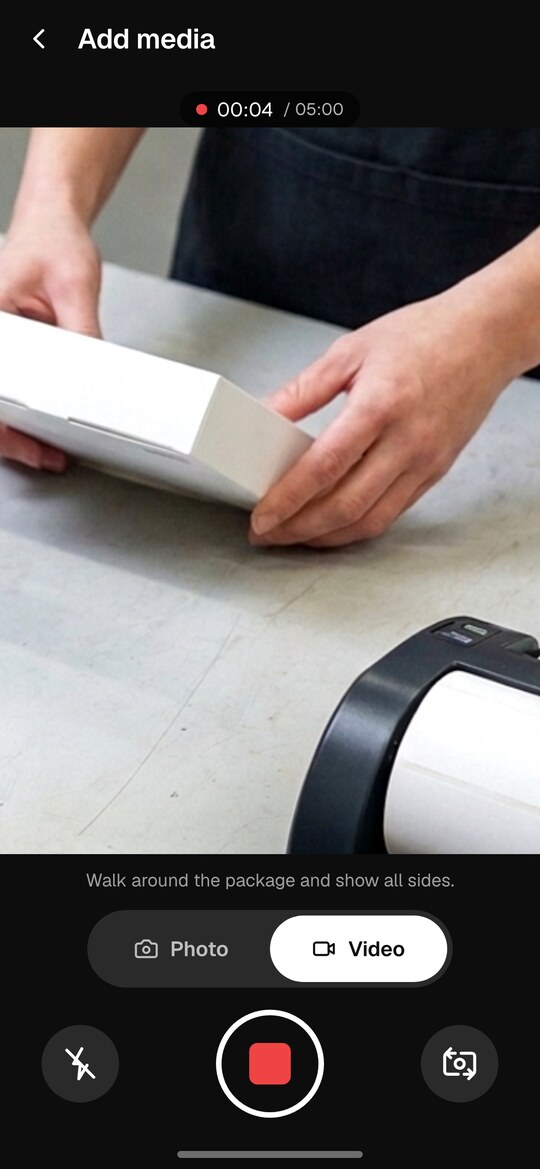
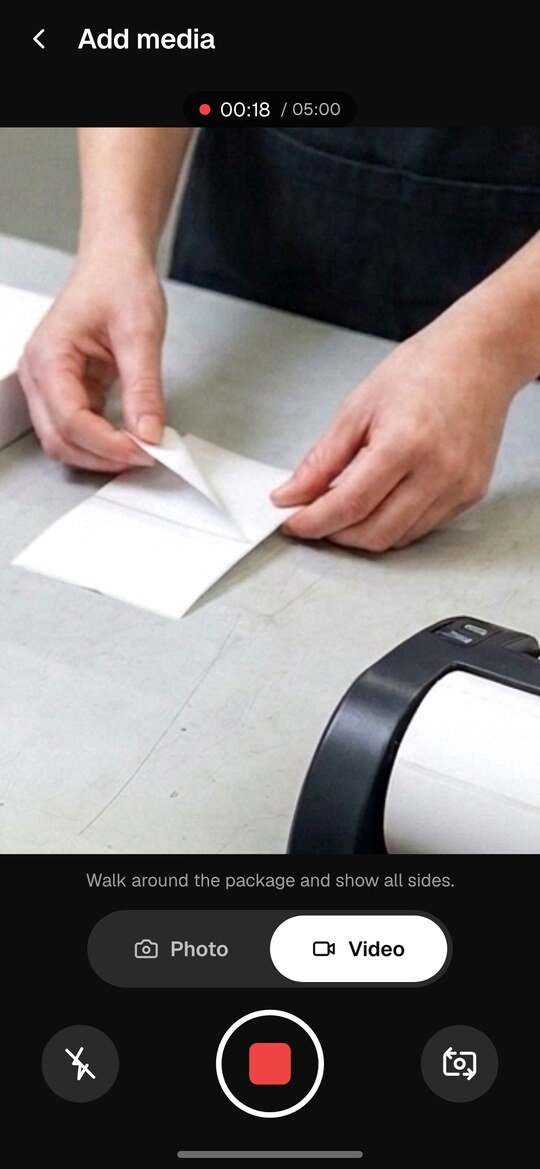
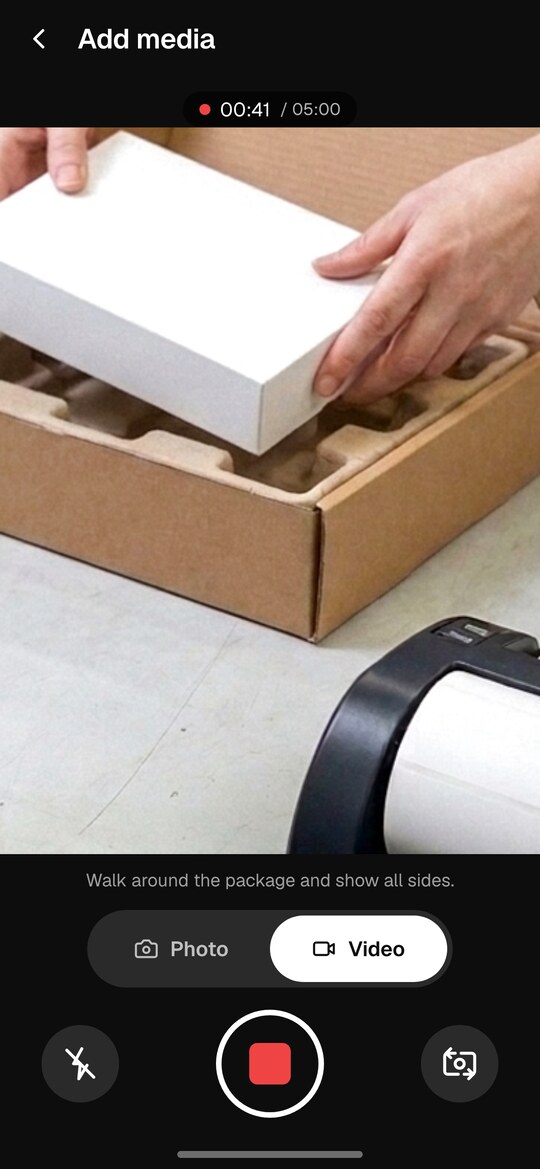
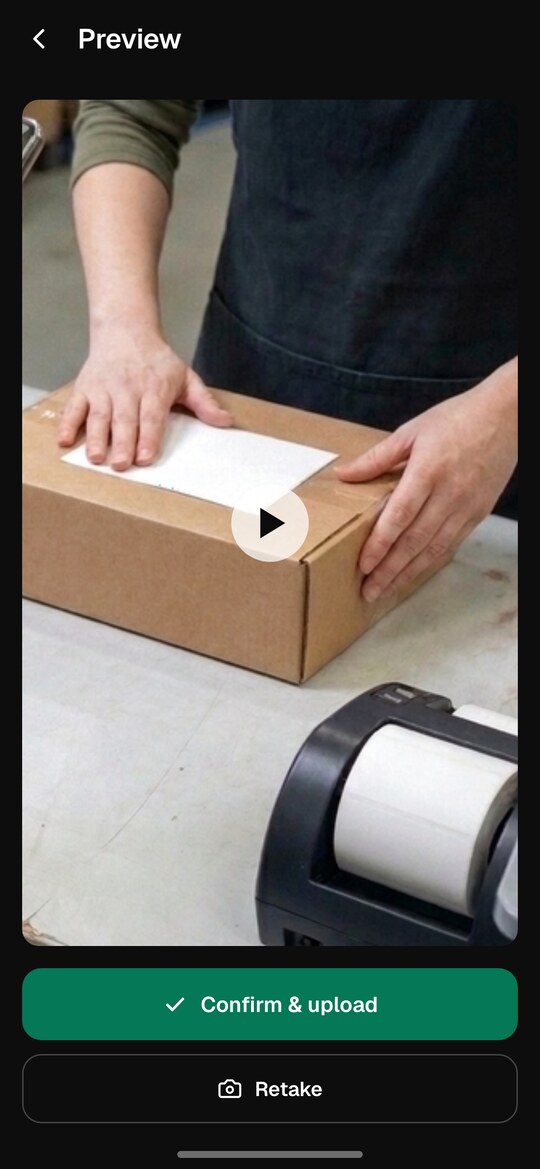
- Serial and seals on camera
- Compared with the buyer's return video
- Sealed with SHA-256 at upload
“A counterfeit claim is about one unit. Your record should be about that one unit too.”
How do you prove an item was genuine when a buyer says it is counterfeit?
You show the unit itself, as it left. PallasMark records the serial number, the factory seals and the item's condition against the order number before it ships, and seals the file with a SHA-256 fingerprint. Visa's own dispute guide lists serial numbers that can be independently verified as evidence for a counterfeit claim, and your recording shows which serial left. If the buyer says the unit is different or faulty, the serial on your recording can be compared with the unit coming back, filmed by the buyer before they return it.
Last reviewed
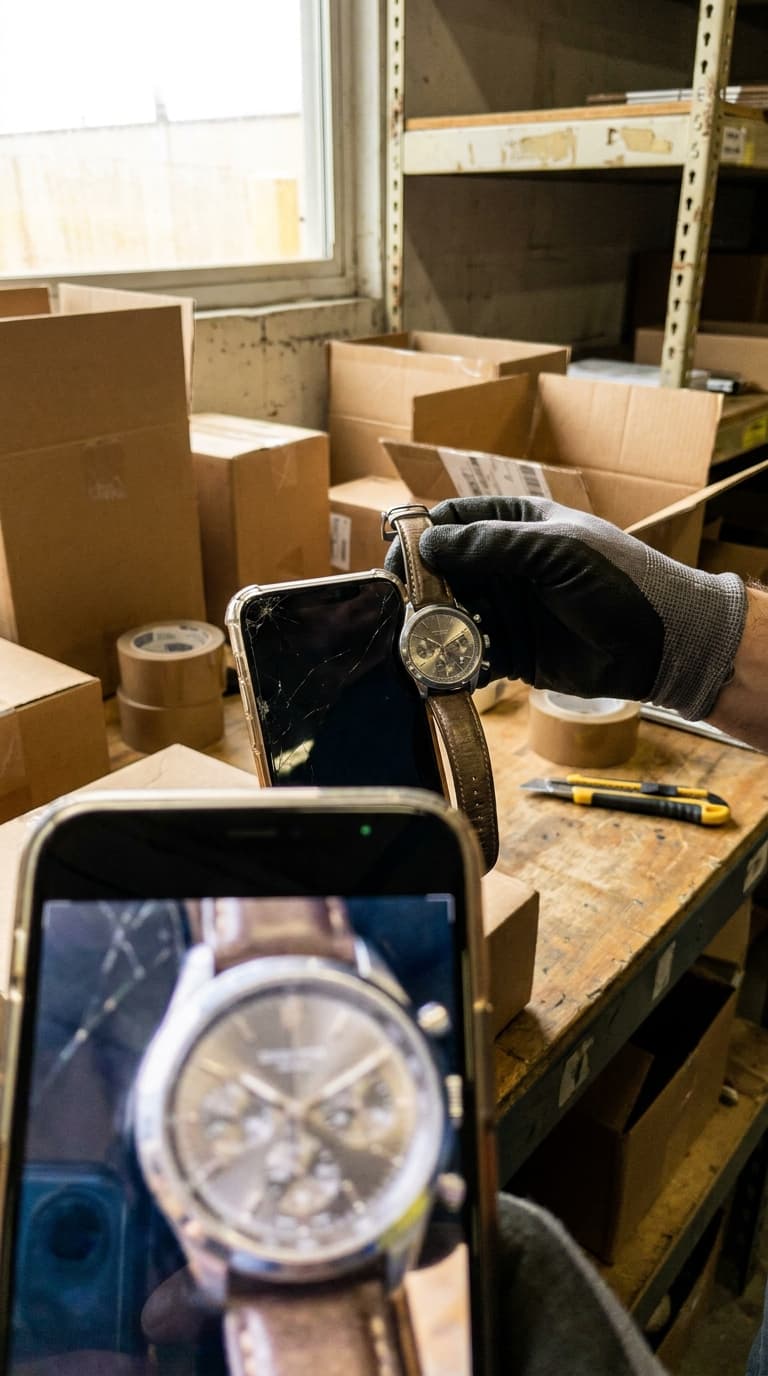
What an authenticity or warranty claim turns on
“Fake”, “swapped” and “faulty” sound different, but each one is decided on the same three facts about a single unit.
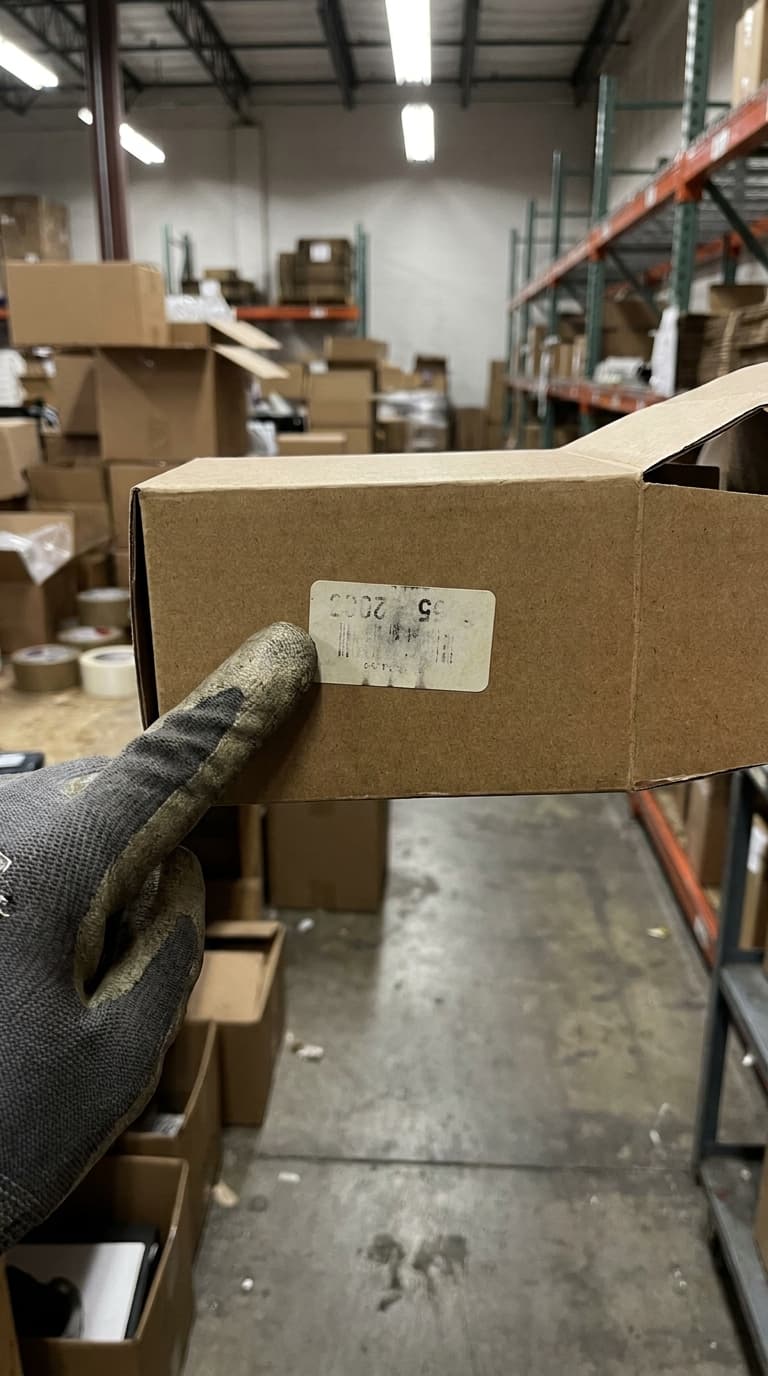
Which unit left?
The serial number
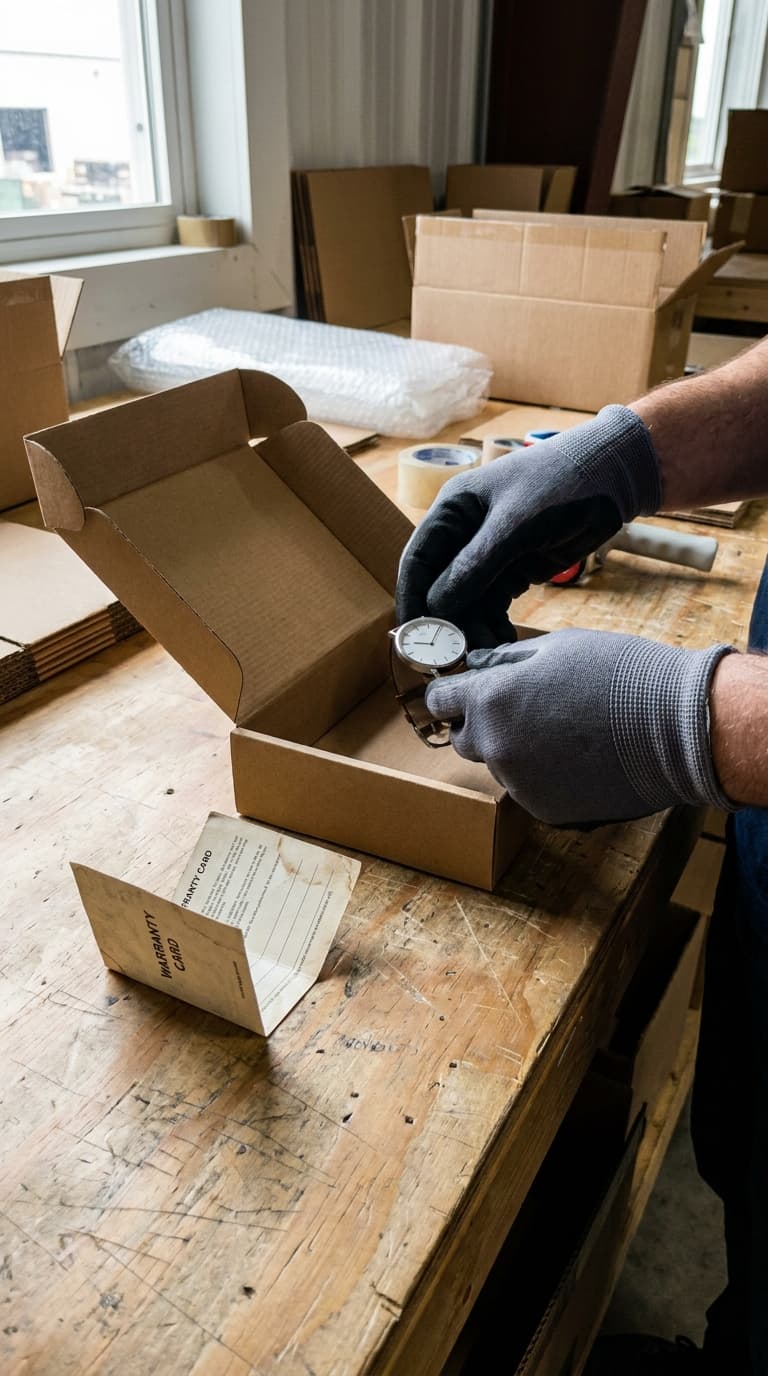
The serial, IMEI or authenticity card filmed up close, on the same take as the item going into the box.
Tamper-proof video
Was it sealed and intact?
Seals and condition
Factory seals, tags and the item's condition shown before packing, so “used” or “opened” has an answer.
The recording appIs the unit coming back the same one?
The buyer's return video
When a return is requested, the buyer films the unit and its serial before sending it, attached to the same order.
Return evidence
From the serial number to the answer
Four steps on one order record. The unit is identified before it ships, so the question “which one?” never needs a guess.
Film the serial, the seals and the condition
Scan the order and turn the serial panel, IMEI or authenticity card to the camera, then the factory seals and the item, before it goes into the shipping box.
- Close-up of the serial in the same take
- Photos stamped with company, order number and time
- Team member and device stored with every file
The recording is sealed with a fingerprint
Tamper-proof videoEach photo and video gets a SHA-256 fingerprint when it is stored, and the fingerprint of the original upload is recorded too. Anyone can check the file on a public page, with no account.
The buyer films the unit before returning it
Return evidenceA return request asks the buyer to film the item and its serial in their browser before they send it back, for the return reasons you choose. Their file is fingerprinted and attached to the same order.
Compare the serials, answer with one file
Chargeback evidence fileYour recording and the buyer's sit side by side on the order. If it becomes a dispute, the evidence file puts both recordings, their fingerprints and the timeline into one PDF or secure link.
What the camera has to show for an authenticity claim
An authenticity claim is decided on one unit. This is that unit, filmed in one take from its serial to the sealed box.
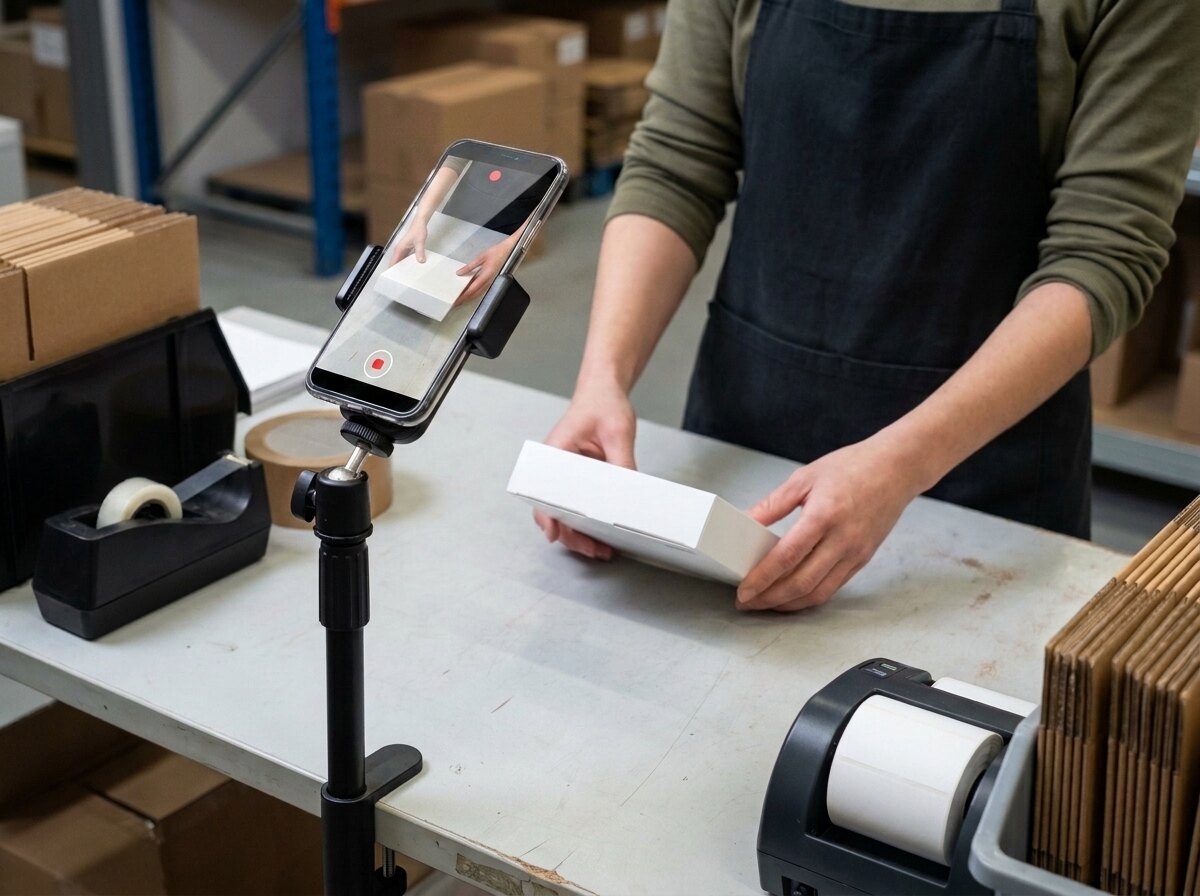
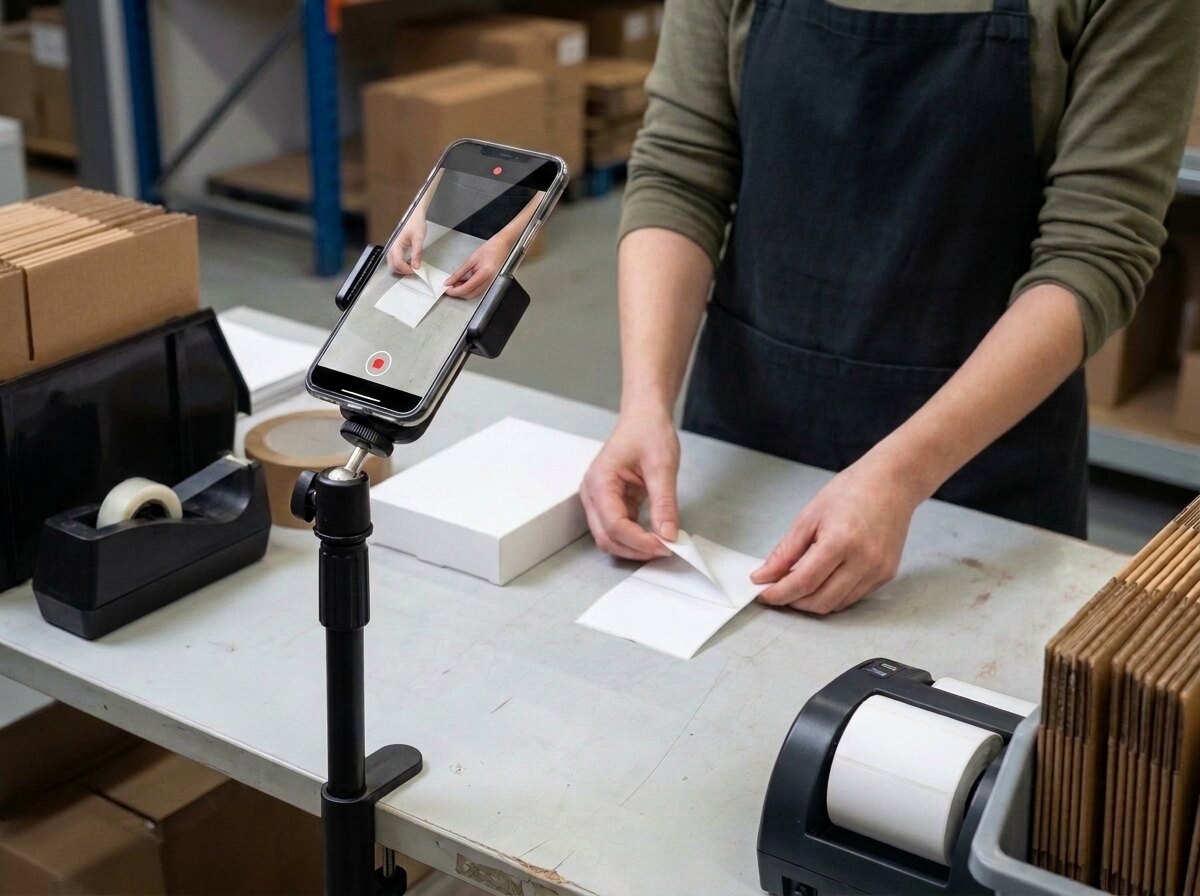
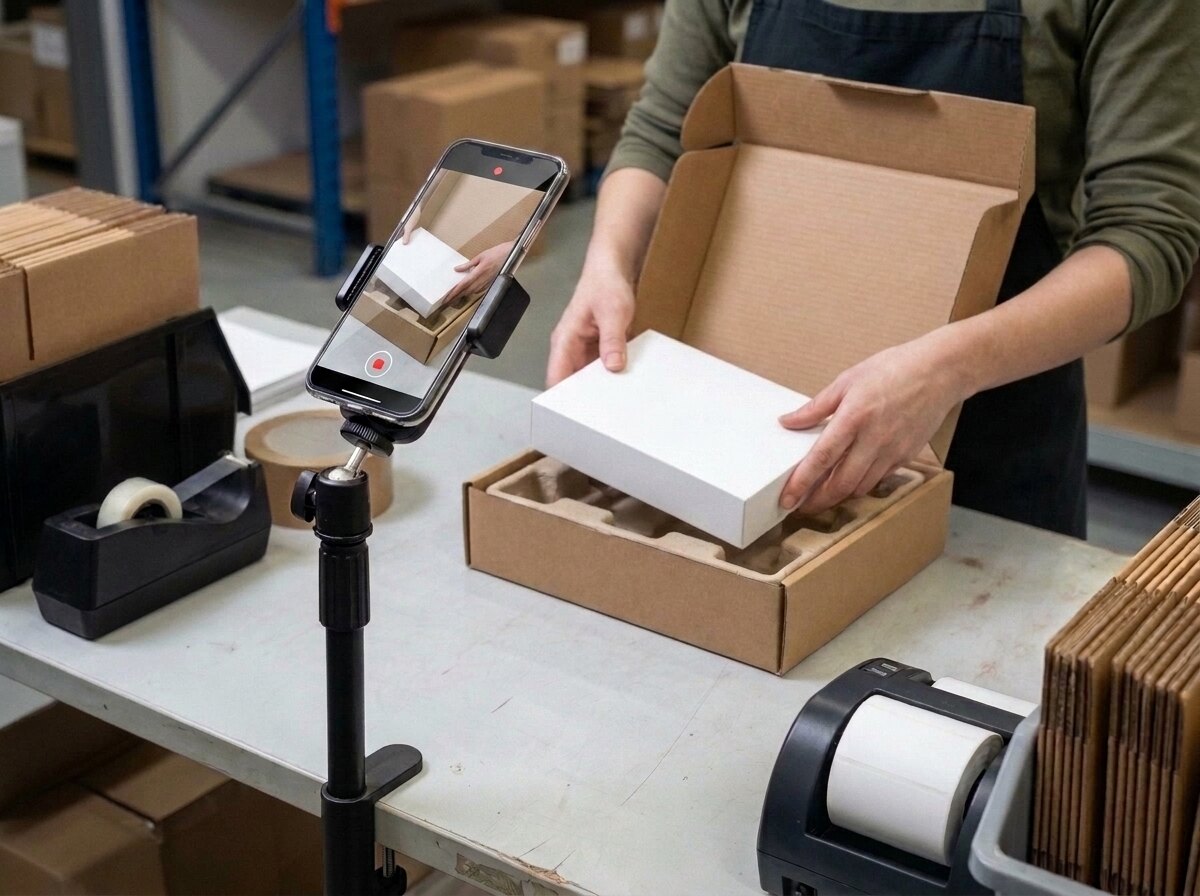
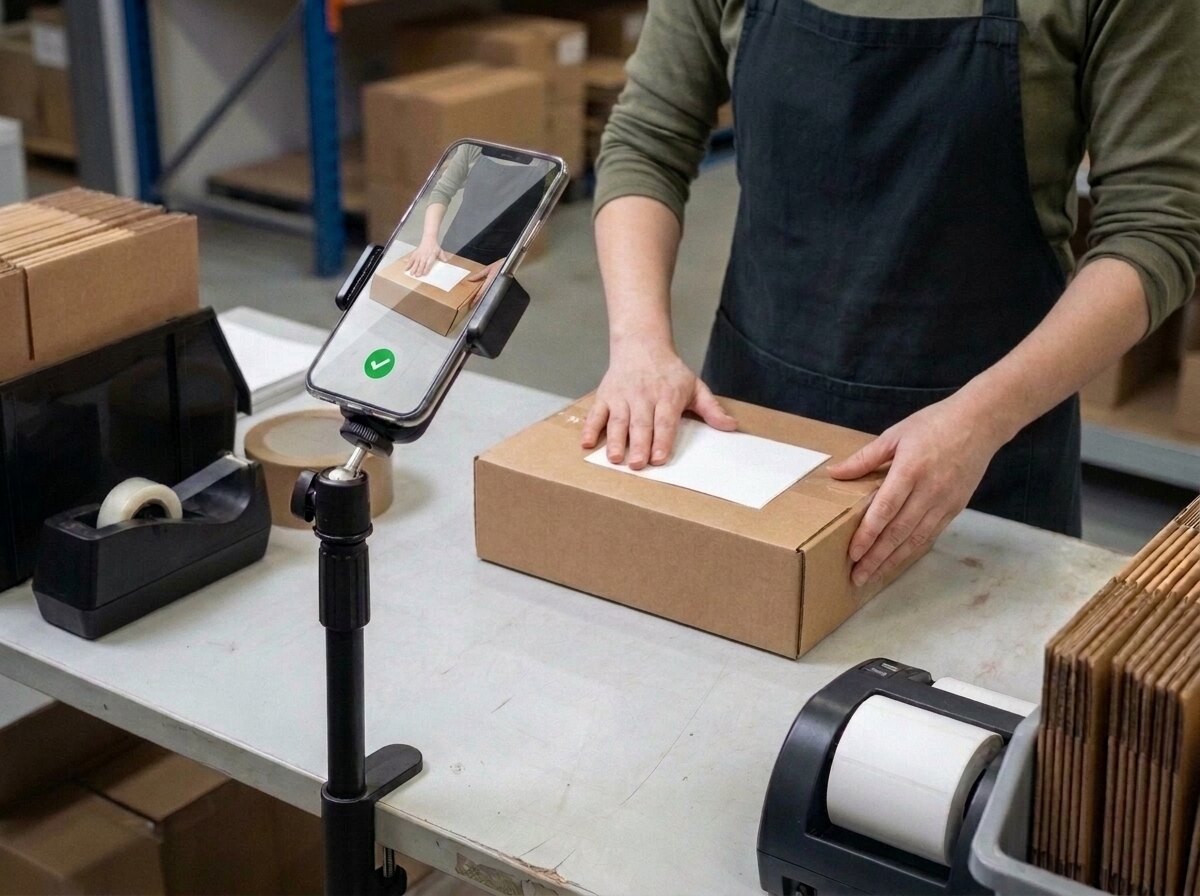 0:04
The box's data panel turned to the camera so the serial number can be read on the recording.
“This is not genuine”, with and without a record
A buyer opens a dispute saying the wireless earbuds they received are counterfeit and asks for a refund. The unit they send back has a different serial from the one in your stock records.
Without a record
Refunded and out of stock- The buyer's claim says counterfeit; your invoice says genuine.
- Nothing shows which serial left your warehouse.
- The dispute is decided on the buyer's description of the item.
- You refund, and receive a unit you cannot resell.
With PallasMark
Serial on record- The serial panel and the sealed box were filmed before it shipped.
- The buyer's return video shows a different serial before it is posted.
- Both recordings are on the same order, each with its fingerprint.
- You decide the return, and answer the dispute with one file.
What an authenticity record contains
Stored with the order automatically, so a counterfeit claim meets the unit's own record.
- Serial and seal video
- The serial panel, seals and condition, recorded against the order number before shipping.
- Stamped photos
- Company name, order number and upload time burned into the image.
- SHA-256 fingerprint
- Of every stored file, plus the original upload taken before any processing.
- Capture context
- Team member, recording and upload time, device model and operating system, upload IP.
- Buyer's return recording
- The unit and its serial filmed by the buyer before the return, attached to the same order.
- Evidence file
- Both recordings with still frames and fingerprints, the order, tracking and a full timeline, as a PDF or link.
How counterfeit and not-as-described claims are decided
Card networks, PayPal and marketplaces each have a dispute category for items that are counterfeit or not as described. Each asks the seller for evidence about the unit itself.
Visa 13.4: serials that can be verified
Visa Dispute Management Guide for Merchants (Oct 2026)For counterfeit disputes, Visa's merchant guide lists serial numbers or product identifiers that can be independently verified among the evidence. The cardholder does not have to return the item first.
Visa 13.3: inspection before shipment
Visa Dispute Management Guide for Merchants (Oct 2026)For not-as-described and defective claims, Visa lists inspection records showing the item was in acceptable condition before shipment, and advises photographing items in good condition when sent.
Mastercard 4853: counterfeit goods
Mastercard Chargeback Guide, Merchant EditionMastercard's cardholder dispute covers goods presented as genuine but counterfeit, and goods not as described. The merchant's second presentment must prove the goods were not counterfeit, within 45 days.
PayPal: counterfeit is SNAD
PayPal Purchase Protection Program (US)PayPal's buyer protection counts an item advertised as authentic but not authentic, or a completely different item, as significantly not as described. Buyers have 30 days from delivery to open the dispute.
eBay checks the serial on returns
eBay Authenticity Guarantee for watchesFor watches under eBay's Authenticity Guarantee, authenticators check the serial number and, on a return, confirm within two business days that the returned watch matches the one that was sent.
Banks read documents, not videos
Stripe, responding to disputesStripe tells merchants that issuing banks will not review audio or video files or links in dispute evidence. The evidence file turns each video into still frames, with the serial visible, inside a PDF.
Counterfeit and warranty claims, defined
- Counterfeit chargeback (Visa 13.4)
- A card dispute claiming the item is not genuine. Visa treats it as a question of authenticity, not quality or condition.
- Not as described (Visa 13.3)
- A card dispute claiming the item differs materially from its description, or arrived damaged or defective.
- Mastercard 4853
- Mastercard's cardholder dispute code, covering both counterfeit goods and goods that were not as described or defective.
- SNAD
- PayPal's “significantly not as described” claim, which explicitly includes items advertised as authentic that are not.
- Serial swap
- Returning a different unit, often counterfeit or faulty, in place of the one that was sold, for a refund or a warranty replacement.
- Warranty fraud
- Claiming a repair or replacement the product is not entitled to, for example with a spoofed serial or IMEI number.
Where “fake” and “swapped” claims land
Wherever a serial, a seal or a tag decides the value, the same recording shows the unit that shipped.
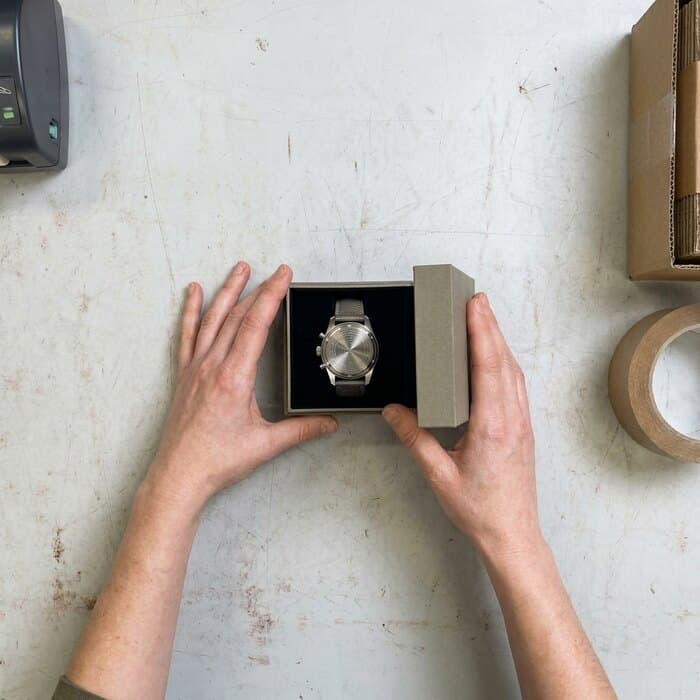
Watches
Case, dial and the warranty card, before the box is closed.
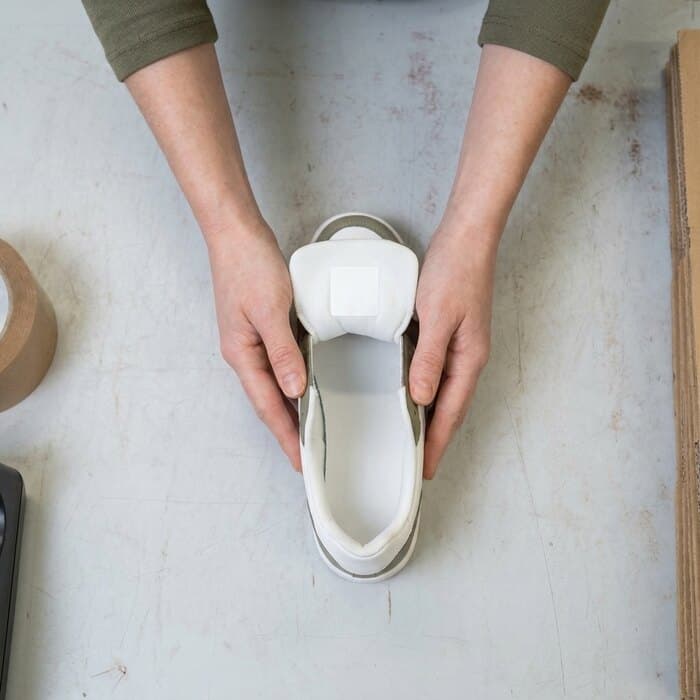
Sneakers
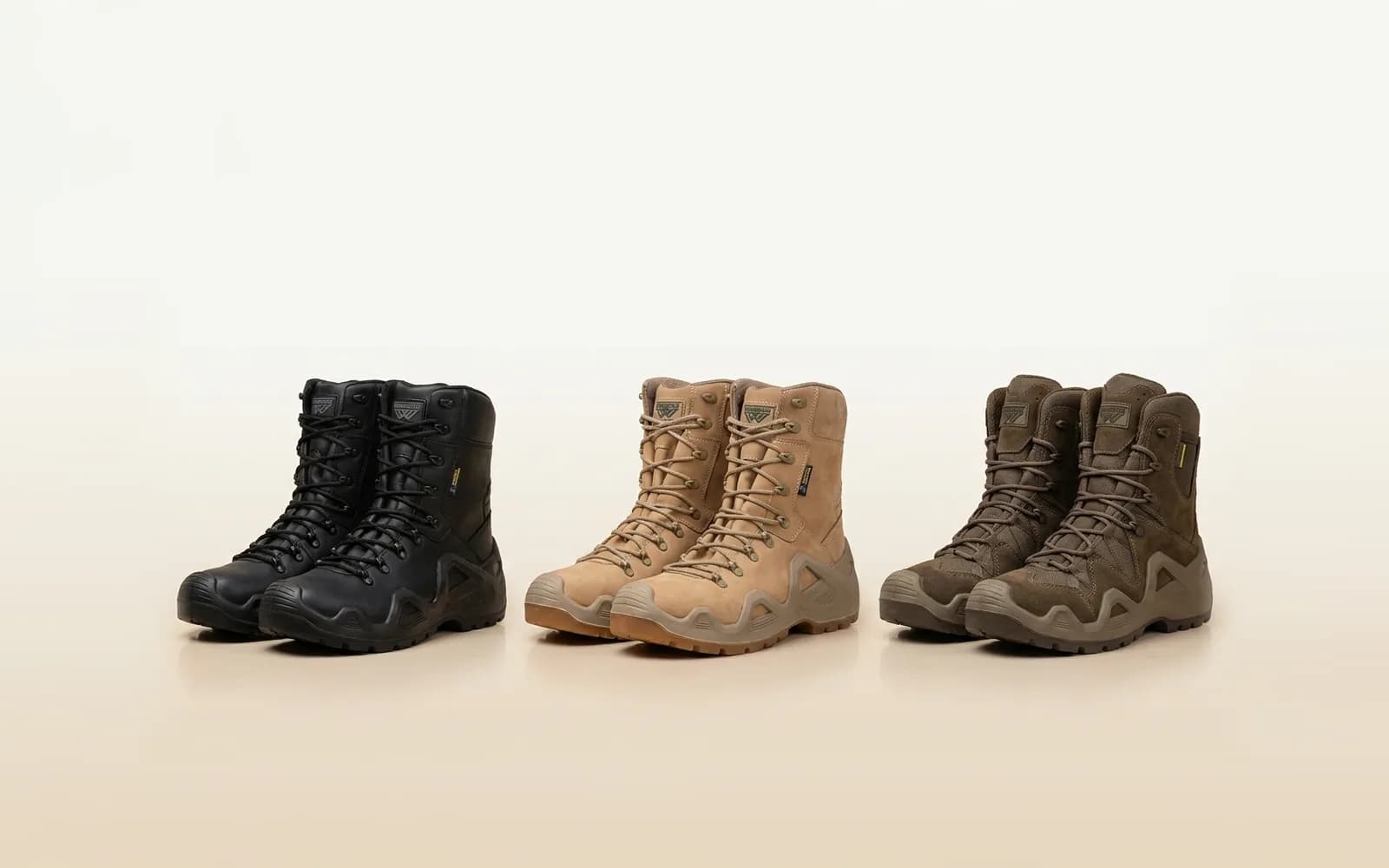
Size label, box label and condition, before anyone calls them replicas.
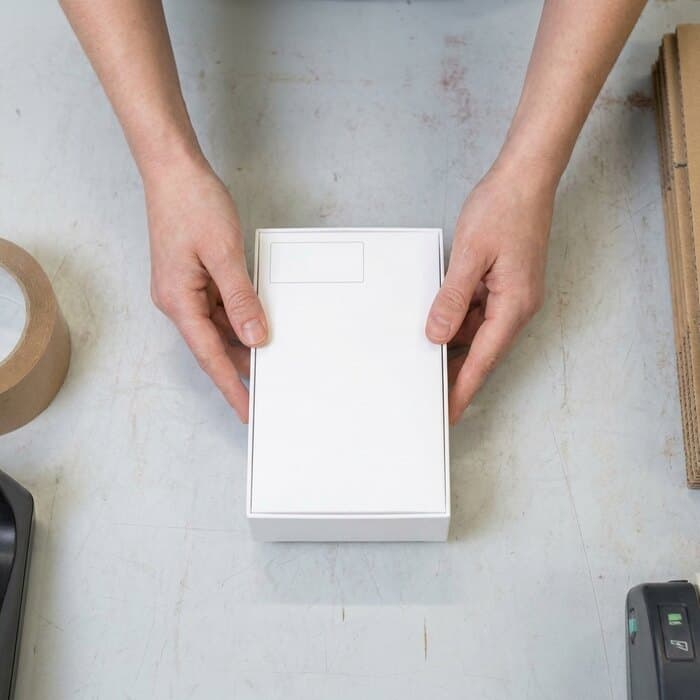
Electronics
Serial, IMEI and the factory seal on the box, in one view.
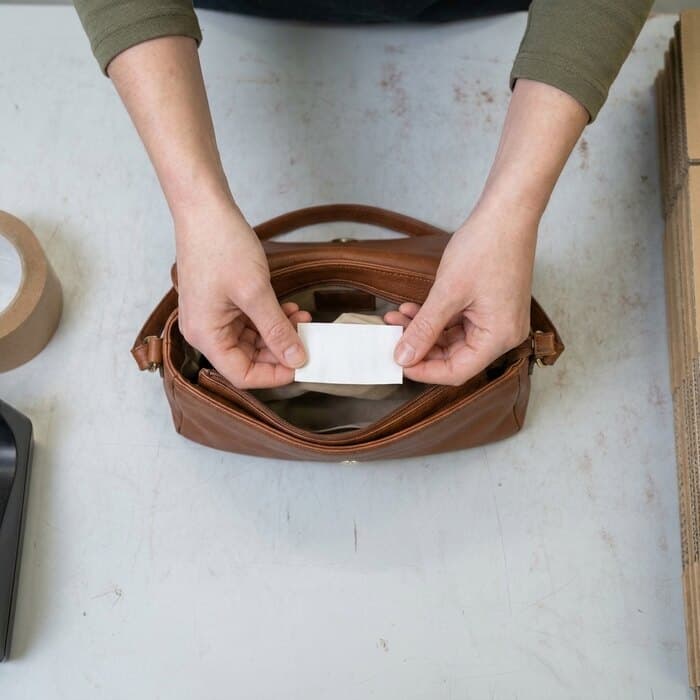
Leather goods
Authenticity card, stitching and hardware, shown once.


Record one yourself, right now
Film a serial number on anything you have nearby. It goes through the real pipeline and ends on a real verification page.
- Scan the code that appears and the recording screen opens on your phone.
- Film anything you have on hand for a few seconds.
- You get the sealed record and its public verification link.
Takes about a minute. Nothing to install and no card needed.

Counterfeit and warranty claims, answered
A buyer says the item I sold is fake. What evidence actually helps?
Evidence about that unit's authenticity, not just proof that it was delivered. Visa's merchant guide lists supplier invoices naming authorised sources, certificates of authenticity and serial numbers or product identifiers that can be independently verified. A packing recording adds the link between them and the parcel: the serial on camera, the seals intact, going into the box on that order, sealed with a SHA-256 fingerprint.
Does the buyer have to send a “counterfeit” item back before disputing it?
Often not. Visa's rules do not require the cardholder to return suspected counterfeit merchandise before a 13.4 dispute, PayPal says a seller may not get the item back on a counterfeit claim, and eBay may not require the buyer to ship back an item with strong indicators of being counterfeit. That is why your own record of the unit, made before it shipped, matters more than the unit you may never see again.
What is the difference between Visa 13.3 and 13.4?
13.4 is about authenticity: the cardholder says the item is counterfeit. 13.3 is about quality and description: the item was materially different, damaged or defective. Under 13.3 the cardholder must first return or try to return the item; under 13.4 they do not have to. A packing record helps both: the serial answers 13.4, the condition and seals answer 13.3.
How long do I have to respond to a counterfeit or not-as-described chargeback?
Less than the network limit suggests. Visa gives the acquirer 30 days and Mastercard 45 days, but your payment provider sets a shorter deadline for you, often between one and three weeks. Because the evidence file is generated on request from records that already exist, the response can go out the day the dispute arrives.
The buyer returned a different unit from the one I shipped. What can I do?
Compare serials. Your packing recording shows which serial left; the buyer's return video, filmed before they send it, shows which one is coming back. On eBay, eligible sellers can deduct up to 50% of the refund for an item returned in a different condition if they act within two business days. On Amazon, SAFE-T claims cover a materially different item returned, and Amazon asks for documents showing the item and its serial number.
Will the bank watch my packing video?
Usually not. Stripe tells merchants that issuing banks do not review audio or video files or links in dispute evidence. That is why the PallasMark evidence file shows four still frames from each video, alongside the fingerprints and the timeline, inside a PDF a reviewer can read. The video itself plays on the secure link for people who want to watch it.
Does Visa Compelling Evidence 3.0 help with counterfeit claims?
No. Compelling Evidence 3.0 applies only to Visa 10.4 card-absent fraud disputes, where the question is whether the cardholder made the purchase. Counterfeit (13.4) and not-as-described (13.3) disputes are decided on evidence about the item itself.
Is warranty fraud with swapped serials a real risk?
Yes. In a case announced by US Homeland Security Investigations in October 2024, a group submitted more than 6,000 counterfeit iPhones with spoofed serial or IMEI numbers to Apple for warranty replacement, causing losses of more than $2.5 million. Recording the serial of every unit you ship gives you the reference to check a returned unit against.
Put the serial on the record before it ships
Connect your store and record the next branded order on a phone, serial first.
Other claims the same recording answers
One packing video per order covers every one of these. What changes is which part of it you show, and to whom.
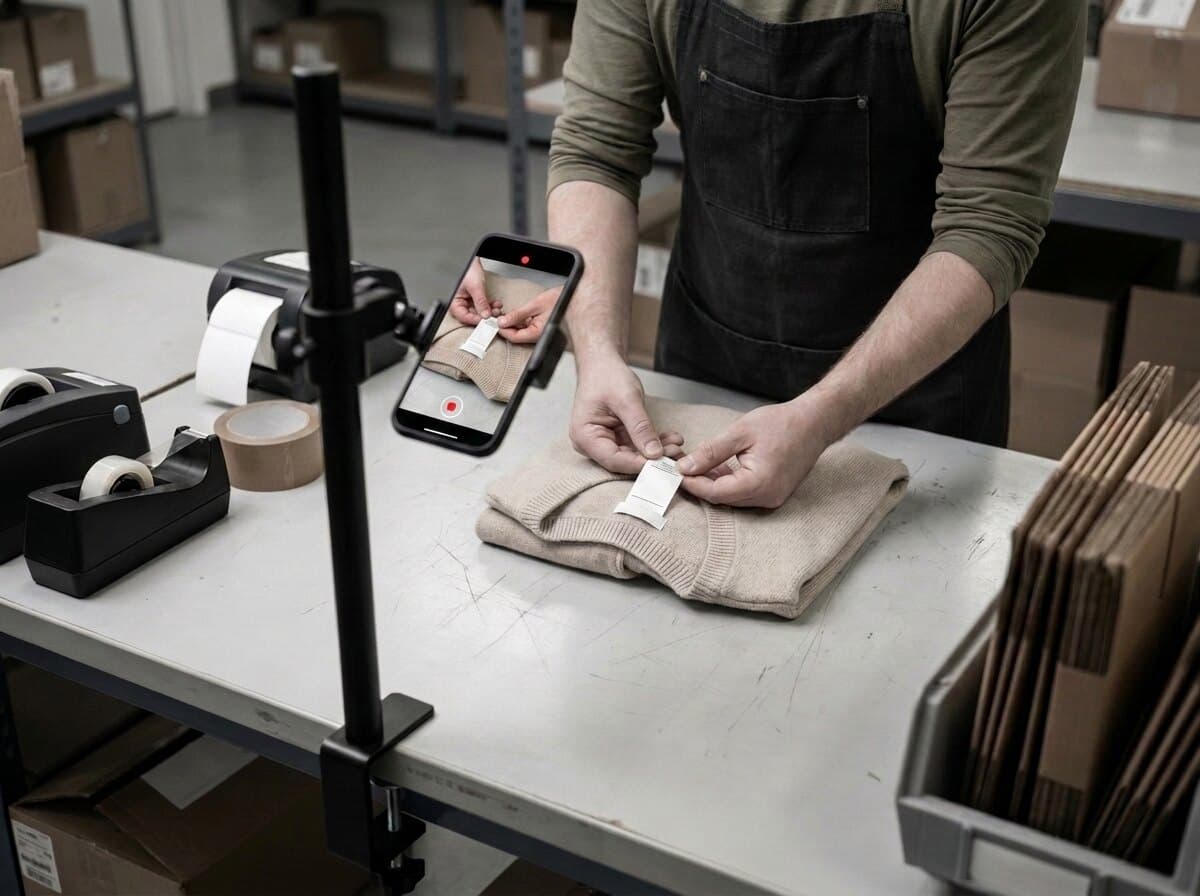 ReturnsCompare your packing video with the buyer's return video before you refund.
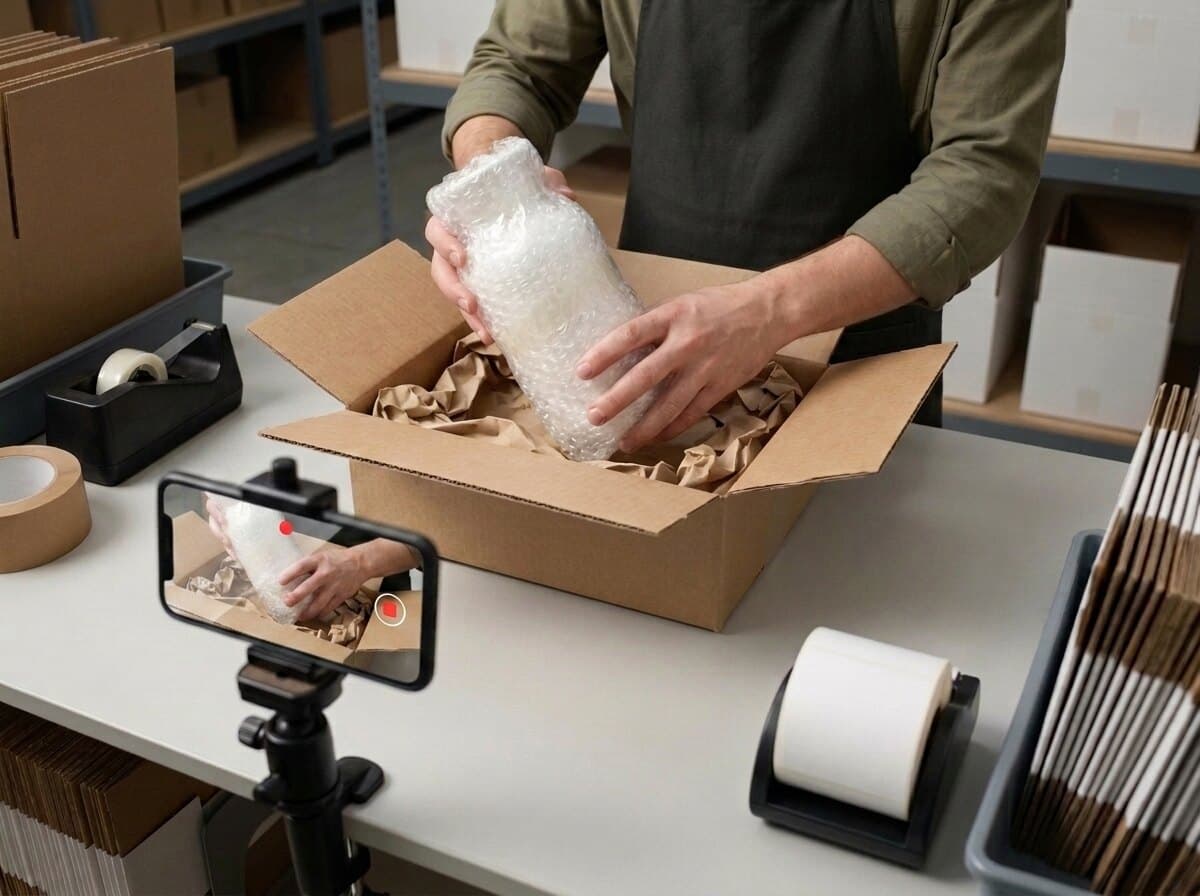 Carrier and insuranceShow the carrier and insurer how the item left you: intact and properly packed.
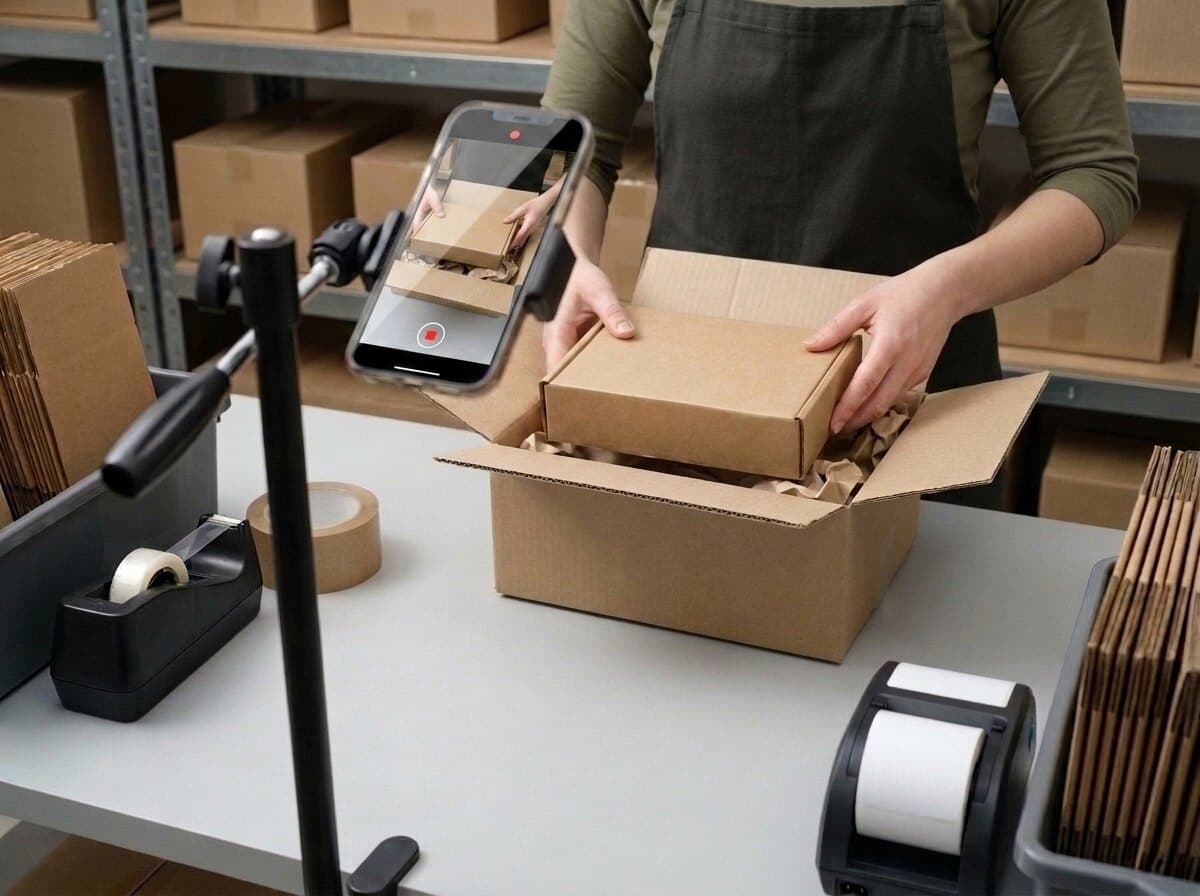 Buyer trustShow buyers who do not know you their own order being packed, before it ships.
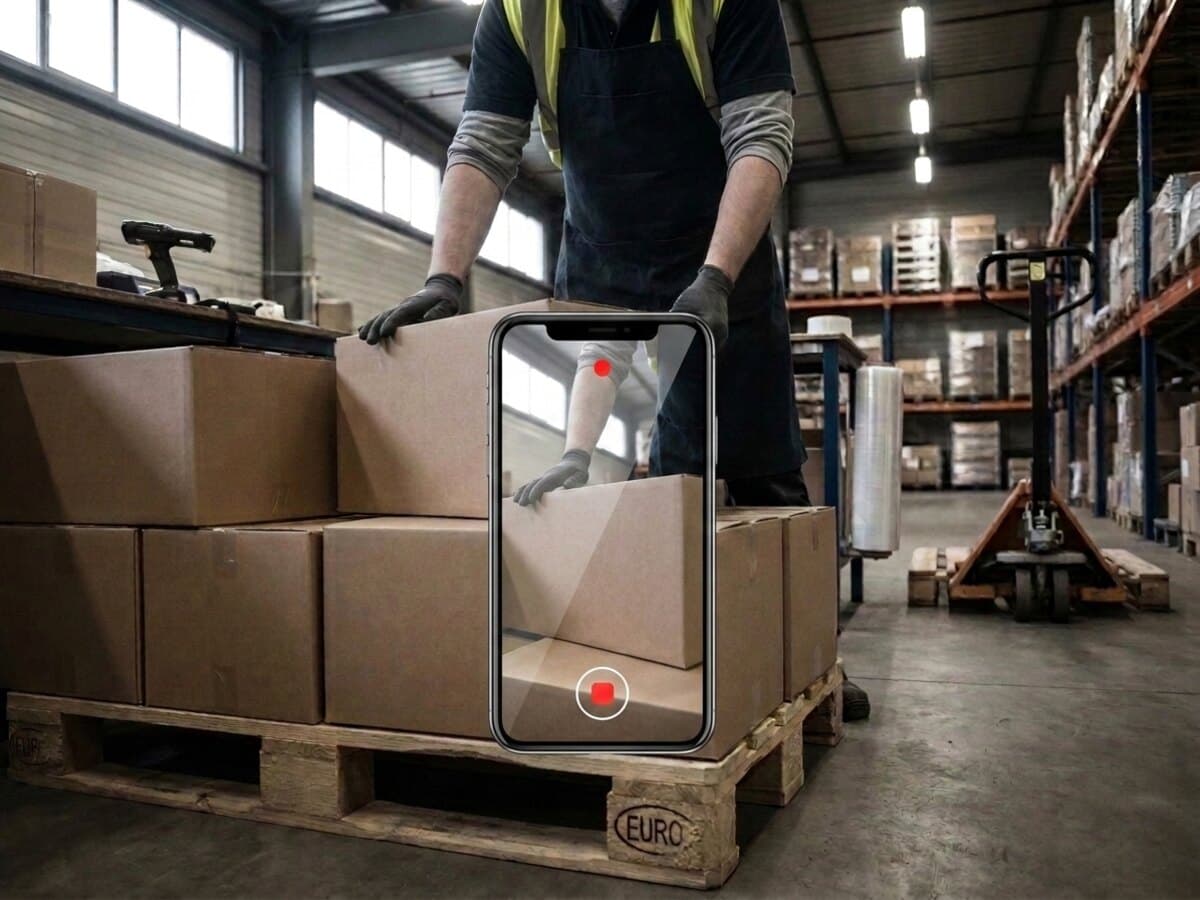 B2B shipmentsFilm the count and labels of every carton and pallet against shortage claims.
 Packing QARecord every packing station so you can see how mistakes happen and fix them.
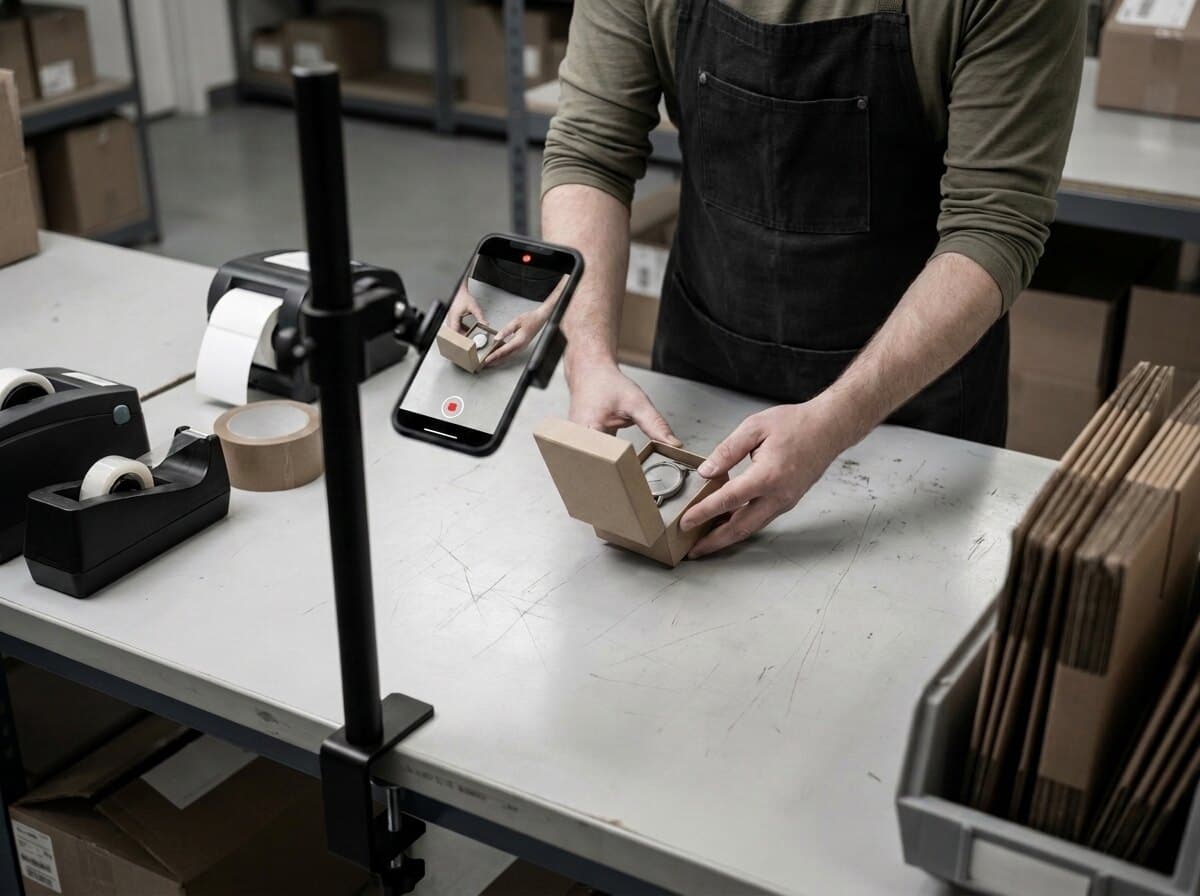 Jewelry and diamondsFilm the piece, its certificate and the parcel in one take for high-value orders.
What makes it work
- Tamper-proof videoEvery recording gets a SHA-256 fingerprint and a public link anyone can use to check it.
- Return evidenceAsk the buyer to film the item before it comes back, and compare it with your packing video.
- Chargeback evidence fileA dispute alert, then one click to a PDF or secure link with the video frames, buyer answer and timeline.
- Evidence rulesBuyer review above an order value, return evidence for the reasons you choose, sector templates.
Guides
- Packing video proof: how a recording becomes evidence
- Packing Video Proof by Industry: What Each Vertical's Record Must Show
- Artwork condition report before shipping: free template with photo steps
- eBay item not as described: seller evidence for returns and appeals
- Jewelry shipping security SOP: free template for on-camera packing
- Luxury Resale Seller Protection: Proof for StockX, eBay and Poshmark
- Refurbished Electronics Dispute Evidence: IMEI, Grade and Return Proof
- Return swap fraud: how to prove which serial number you shipped
- Trading Card Shipping Protection: Proof for Graded Slabs and Raw Cards