Return fraud prevention: See what is coming back before you refund it
Every order is filmed as it is packed. When a return is requested, the buyer films what they are sending back, so you decide the refund with both ends of the order in view.

- Starts from Shopify and ShipHero returns
- The buyer needs no app or account
- Every file sealed with SHA-256
“A refund decided on two videos is a decision. A refund decided on a message is a guess.”
How do you prove a return is fraudulent?
You compare two recordings of the same order. A fraudulent return is a difference between what you shipped and what comes back, so you need a record of each end. PallasMark records the item as it is packed, tied to the order number and sealed with a SHA-256 fingerprint, then asks the buyer to film the item and its packaging before the return is sent. A worn garment, a different unit or an empty box shows up in that comparison before the refund goes out, and both files sit in one evidence file if the case turns into a dispute.
Last reviewed
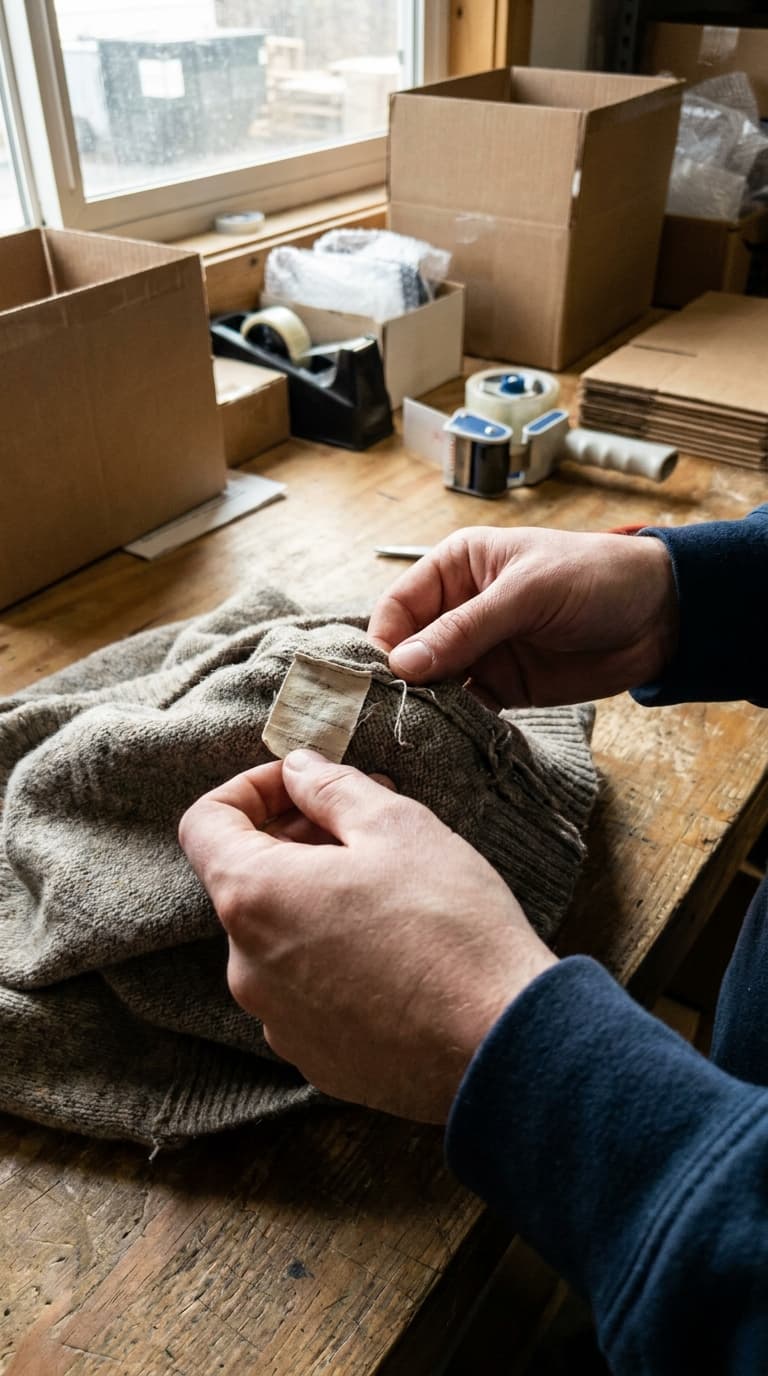
Three things a return decision needs to stand on
Most return arguments come down to the same three questions. Each one is answered by a part of the record, not by anyone's word.
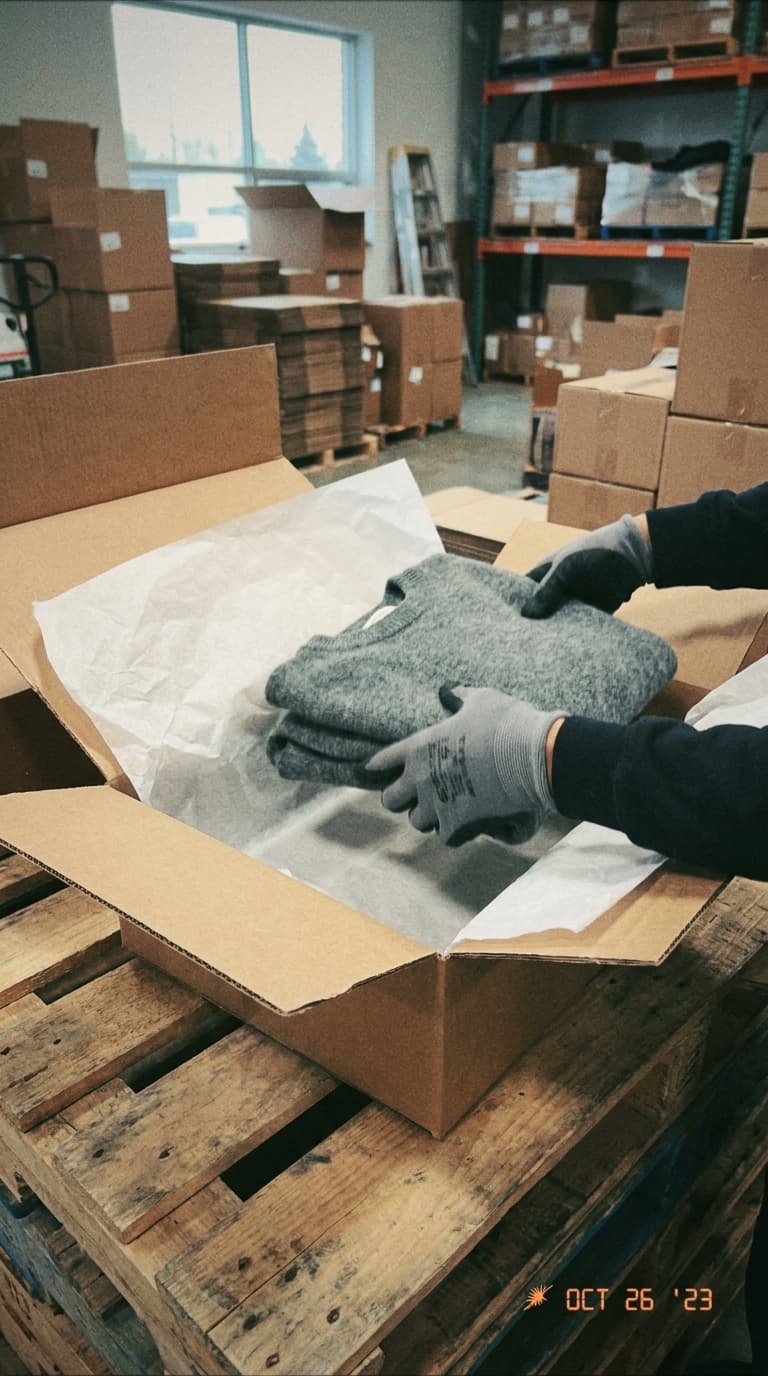
What exactly left your bench?
The packing video
Recorded against the order number, with the tags, the colour, the size and the condition visible before the box was closed.
Tamper-proof videoWhat is the buyer actually sending back?
The buyer's return video
Filmed in the buyer's browser before the parcel is sealed, and attached to the same order with its own fingerprint.
Return evidenceCan anyone say a file was changed?
The fingerprint
Every file is SHA-256 fingerprinted when it is stored, and anyone can re-check it on a public page without an account.
How verification works


From the packing bench to the refund decision
Four steps, one order record. Nothing is copied between tools, so the answer to the return is already there when the request arrives.
Every order is filmed as it is packed
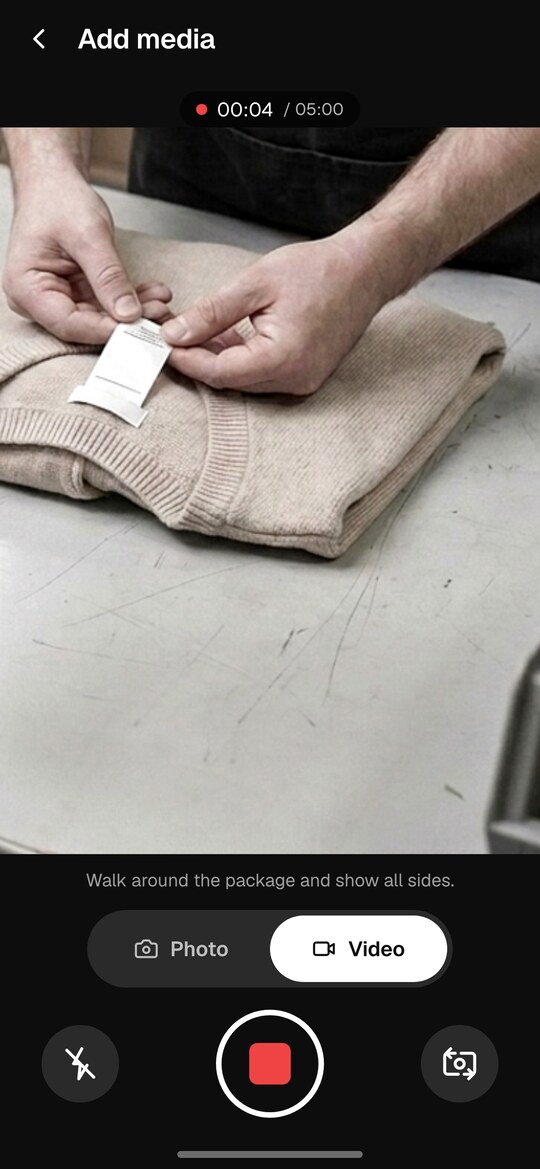
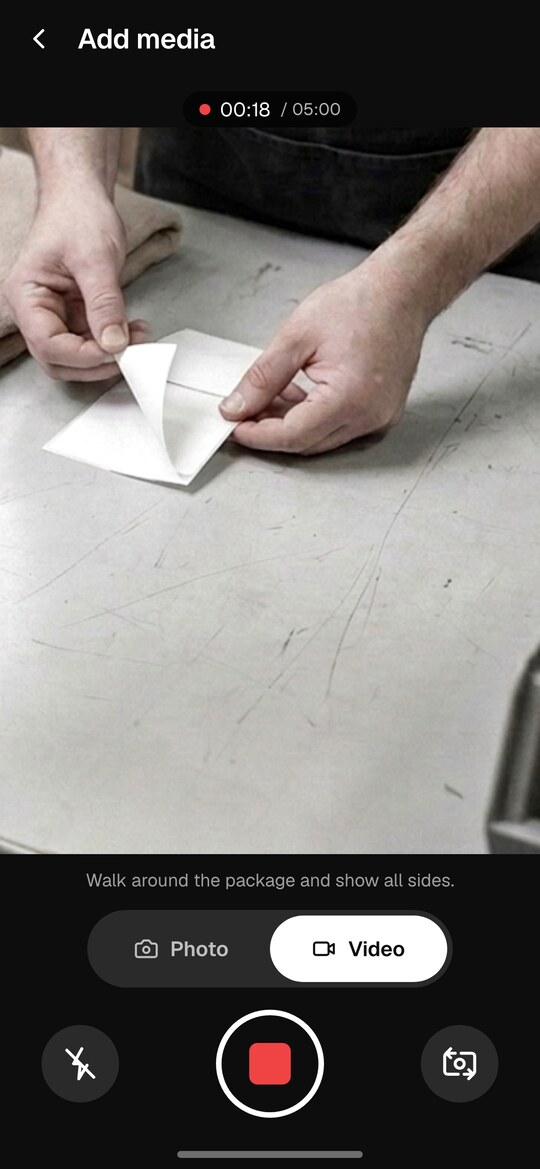
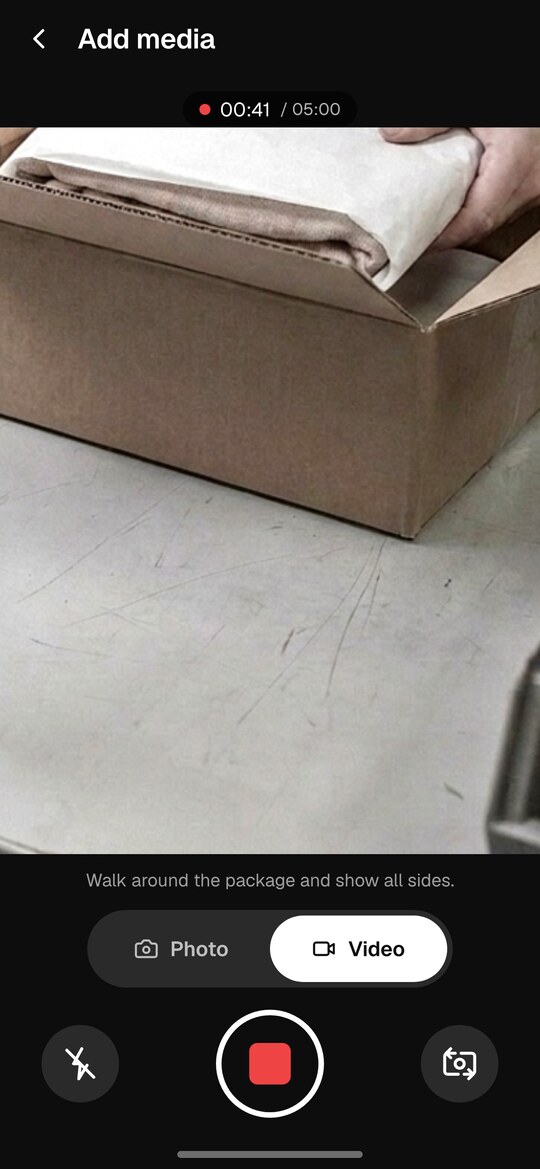
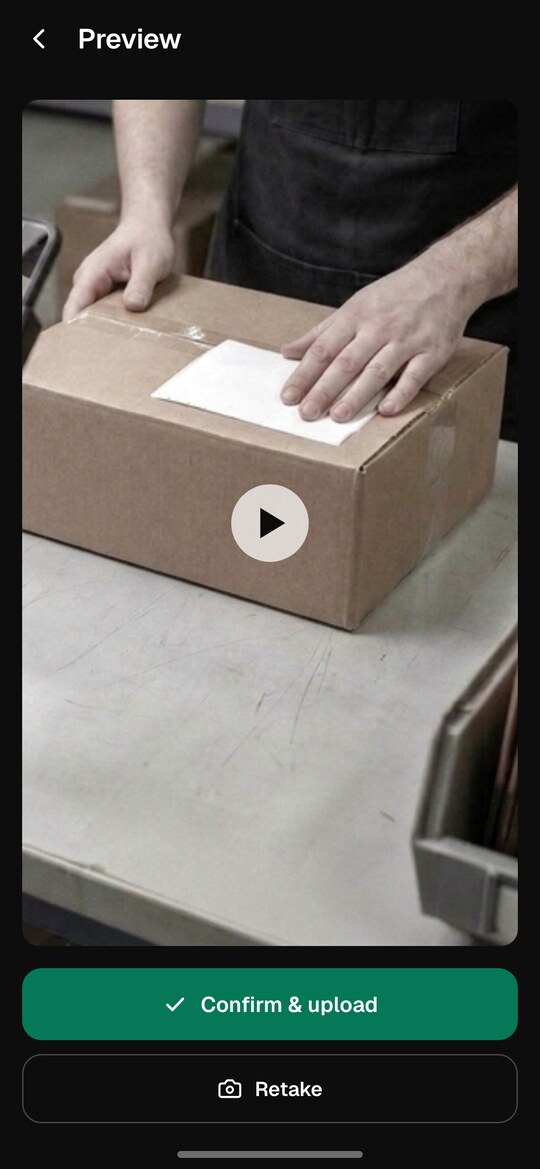
Your team scans the order and films the item going into the box on the phone they already carry. Tags, colour, size and condition are on camera before the box is closed.
- Bound to the order number before anything is filmed
- Who recorded it, when and on which device
- Works offline at the bench and uploads later
The return request asks for the buyer's video
A return requested in Shopify or ShipHero sends the buyer a private link on its own; WooCommerce orders take one click. The buyer films the item and the packaging in their browser before the parcel is sealed.
- Only for the return reasons you choose
- One automatic reminder if nothing arrives
- Optional or required, open for up to 168 hours
Both ends of the order, side by side
Return evidenceThe buyer's recording is fingerprinted like your own and attached to the original order. You see what left your bench and what is coming back on one screen, before anything is refunded.
Refund with confidence, or answer with one file
Refund the honest returns quickly and question the rest with something to show. If the return turns into a chargeback, the packing video, the return recording and the outcome are already in the order's evidence file.
- PDF for the payment provider, secure link for people
- Your store's own return flow is never blocked
- You make the call; PallasMark keeps the record
What the camera has to show for a return claim
A packing video settles a return only if it shows the details a return argument turns on. Here is the same order, filmed in one take from first frame to sealed box.
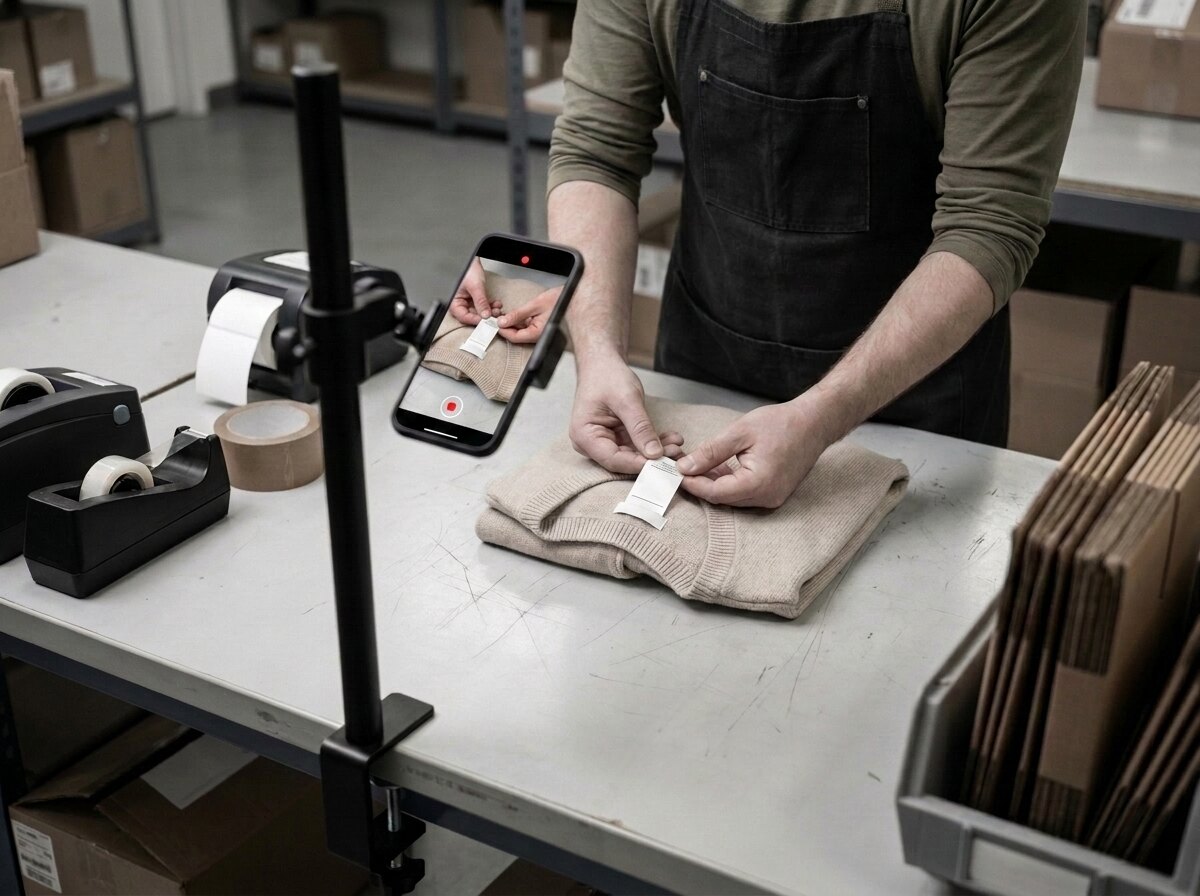
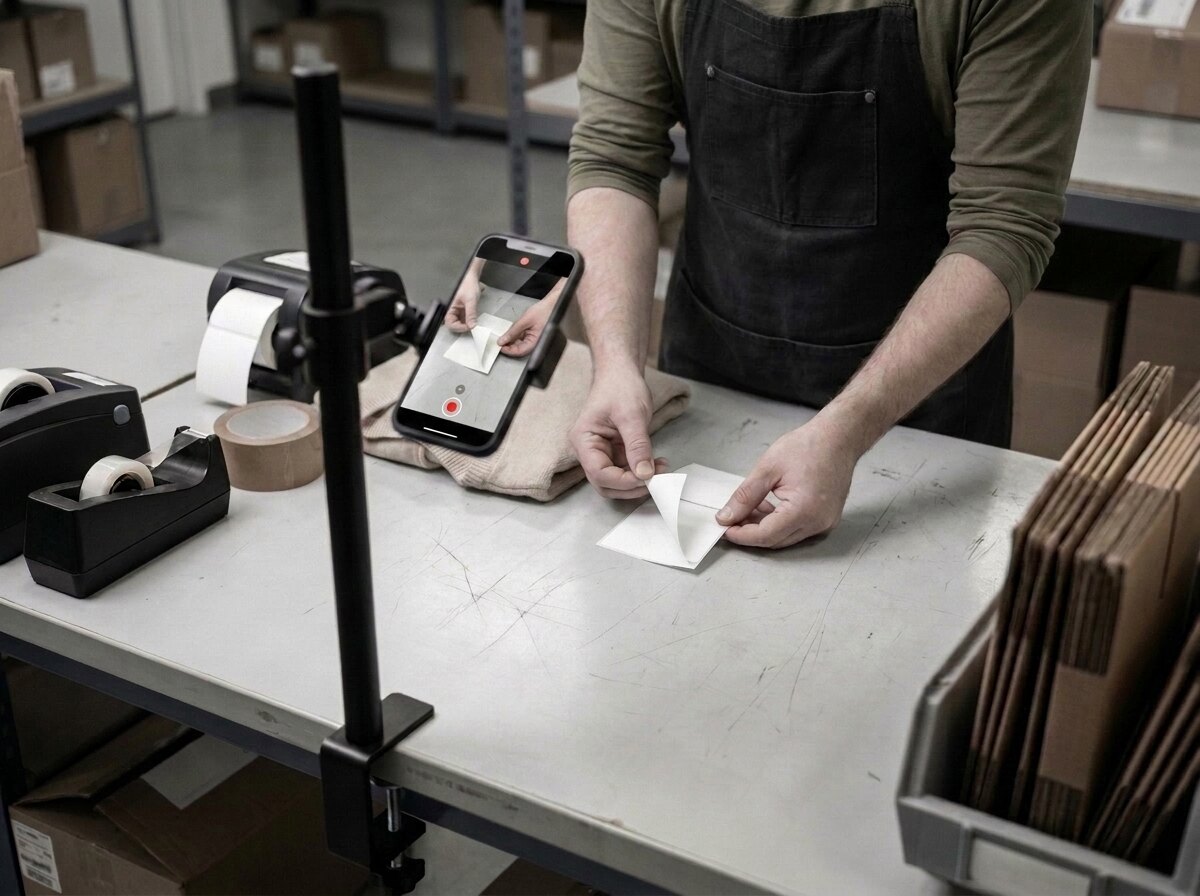
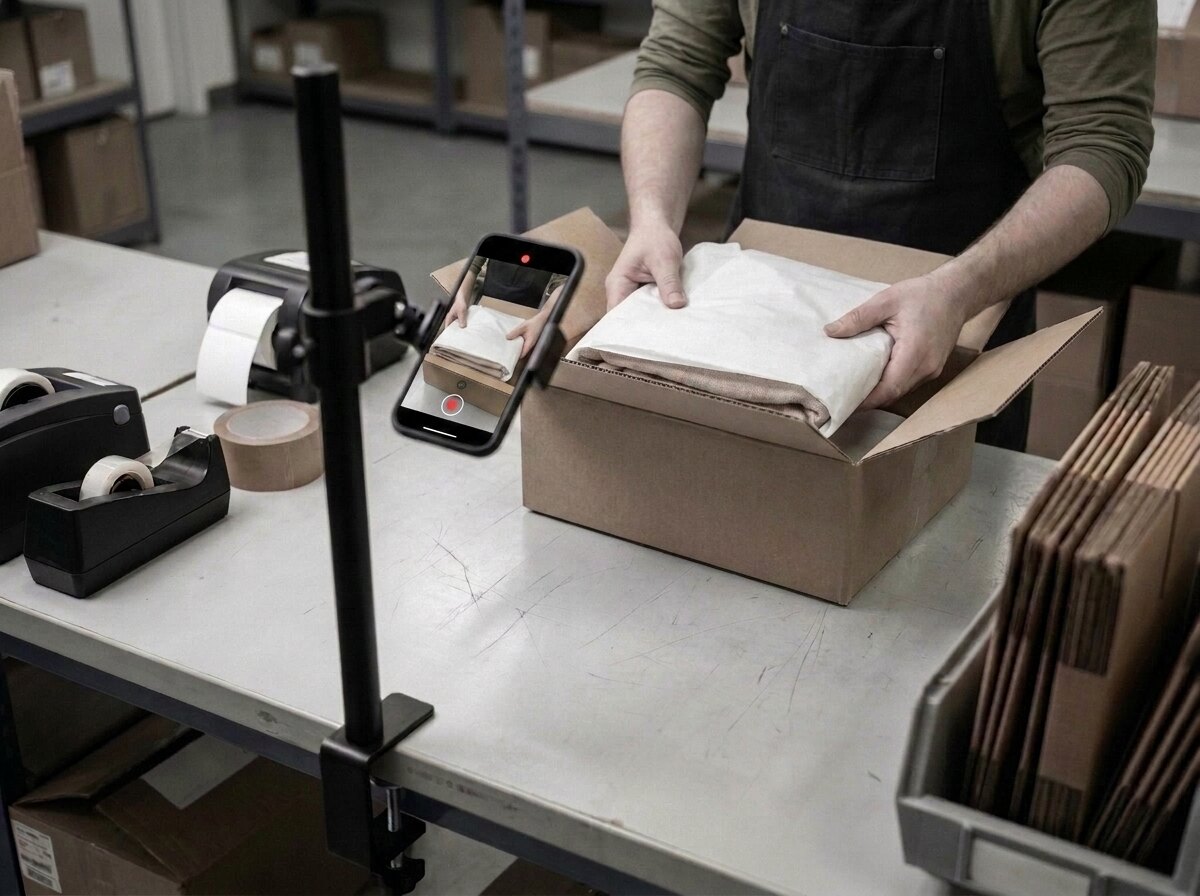
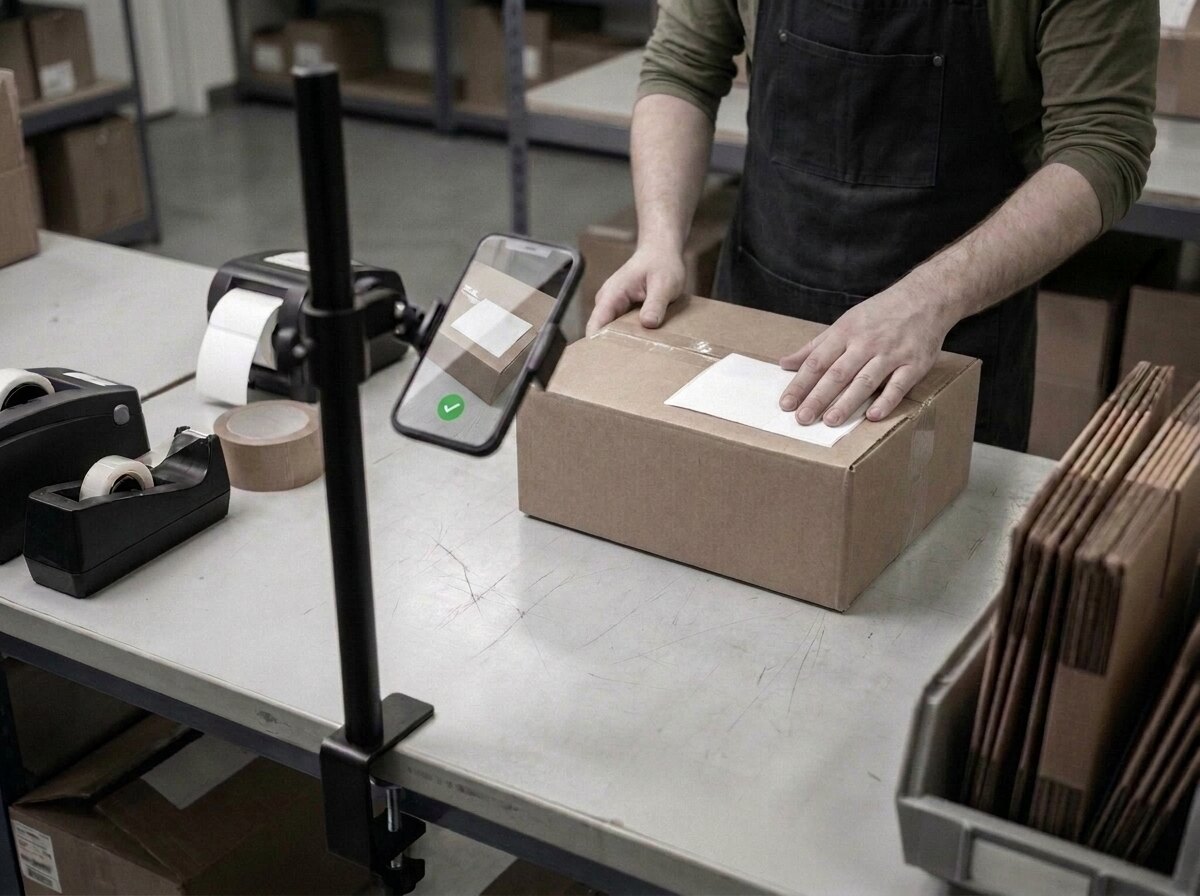 0:04
What it is, its size and colour, and that the tags are on — the three things a worn return removes.
“It arrived like this”, with and without a record
A sweater comes back stretched, without its tags, a week after it was delivered. The message is the same in both stores. What the store can do about it is not.
Without a record
Refunded anyway- The buyer says the sweater arrived worn and the tags were missing.
- Your team remembers packing it, but nothing shows the condition it left in.
- The marketplace or payment provider sides with the buyer.
- You refund, pay both shipping legs and write the sweater off.
With PallasMark
Decided on evidence- The return request asks the buyer to film the sweater before sending it.
- Their video lands next to your packing video, tags attached, on the same order.
- The difference is visible in seconds. You decide the refund with your own policy.
- If it becomes a dispute, both videos and the timeline are already in one file.
What a return record contains
Everything below is stored with the order automatically. Nothing is assembled by hand when the return arrives.
- Packing video and photos
- Recorded in the PallasMark app against the order number, with the items, the packaging and the sealed box.
- SHA-256 fingerprint
- Of every stored file, plus the original upload for photos and videos; re-checkable on a public page.
- Capture context
- Team member, recording and upload time, device model and operating system, and the upload IP.
- Buyer's return recording
- Photo or video taken in the buyer's browser, fingerprinted the same way and attached to the original order.
- Return request
- Reason, message, reminder and whether evidence arrived, missing evidence flagged in PallasMark.
- Evidence file
- Order, shipments and tracking, both recordings with four still frames each, the buyer's answers and a full timeline, as a PDF or a secure link.
Where a return is decided, and what it is decided on
Returns are decided in your store and on the marketplaces you sell on, and the numbers behind them are large. Each platform asks the seller for something to look at.
Nearly one return in ten is fraud
NRF & Happy Returns, 2025 Retail Returns Landscape (Oct 2025)US shoppers were expected to return $849.9 billion of merchandise in 2025. Retailers that track it estimate 9% of returns are fraudulent, and 65% of them report more empty-box returns.
Abuse costs more than fraud
Appriss Retail, 2026 Total Retail Loss Benchmark ReportOf $706 billion returned in 2025, Appriss Retail puts preventable loss at $100 billion: returns abuse such as wardrobing at 12% of returns ($86B), outright fraud at 2% ($14B).
Amazon SAFE-T claims: 30 days
Amazon Seller Forums announcementSince 16 February 2026, US seller-fulfilled SAFE-T claims must be filed within 30 days of the return delivery scan or the refund, whichever is later. Amazon asks for photos of the packaging, the label and the item from several angles.
eBay: up to 50% for a changed item
eBay seller protectionsOn free-returns listings, eligible sellers can deduct up to 50% of the refund when an item comes back used or damaged, if they refund within 2 business days of receiving it.
Shopify: you approve or decline
Shopify Help Center, self-serve returnsShopify buyers request returns from their order status page and the store approves or declines each request. PallasMark starts the buyer's video request from that same request.
Return fraud and abuse, defined
- Wardrobing
- Buying an item for short-term use, wearing or using it, then returning it for a full refund. The NRF classes it as returns abuse.
- Item swap (decoy return)
- Returning a different, cheaper, damaged or counterfeit item in place of the one that was bought.
- Empty-box return
- Sending back a box with nothing in it, or with something worthless inside, and claiming the refund. Also called a “box of rocks”.
- Bricking
- Damaging an item or stripping its valuable parts so it no longer works, then returning it as defective.
- Label tampering (FTID)
- Manipulating the return label or tracking so the parcel appears to have been returned when it was not.
- Return abuse vs return fraud
- Abuse exploits a generous return policy; fraud deliberately deceives the return process. Appriss Retail counts abuse at six times the value of fraud.
The categories where returns hurt most
Wherever condition, size or completeness decides the refund, the same two recordings answer the claim.
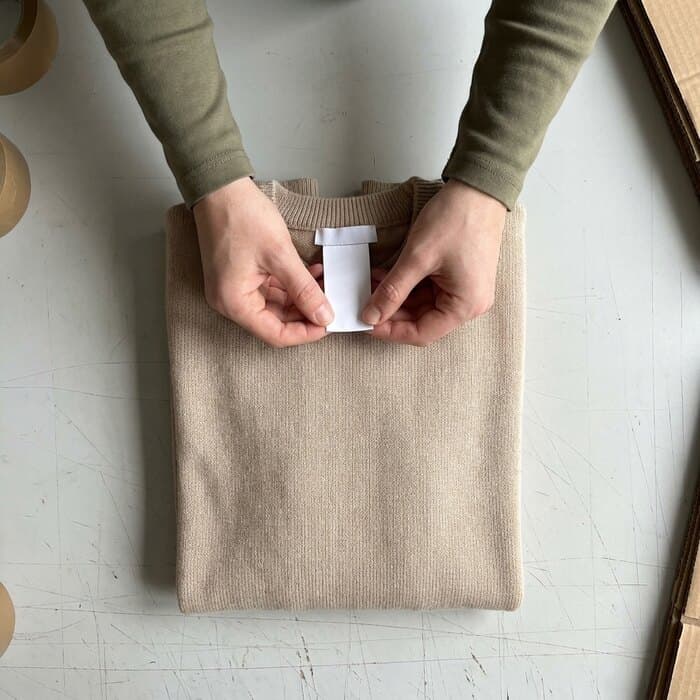
Apparel
Tags, fabric and fit on camera — the details a worn return changes.
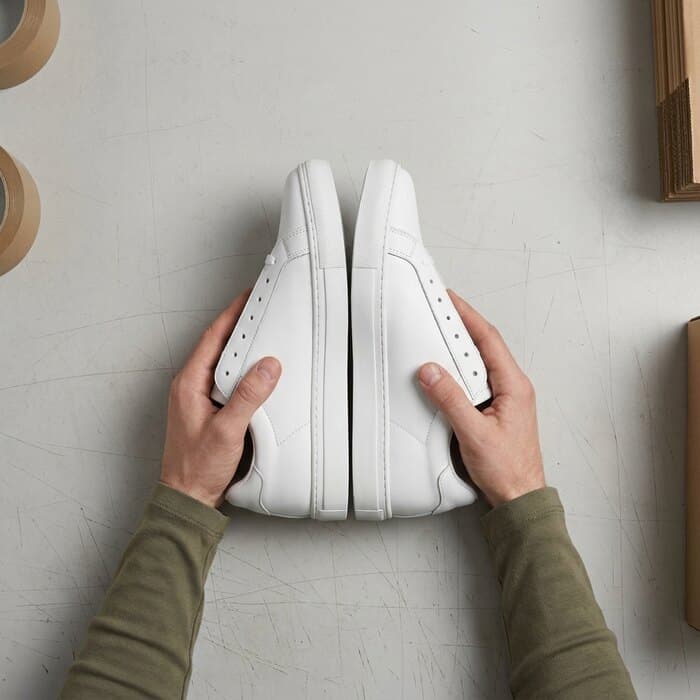
Footwear
Soles, size labels and the box, before anyone can say they were worn outdoors.
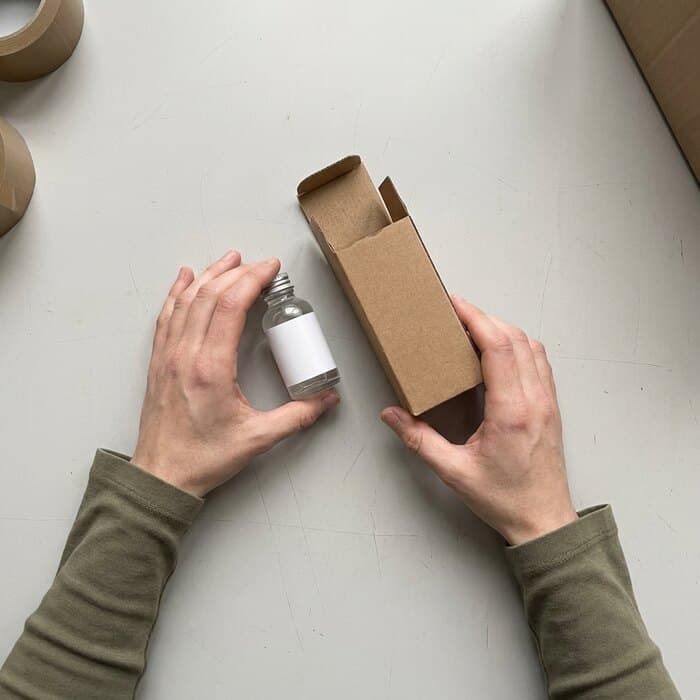
Beauty
Seals and fill levels visible, so an opened product cannot come back as new.
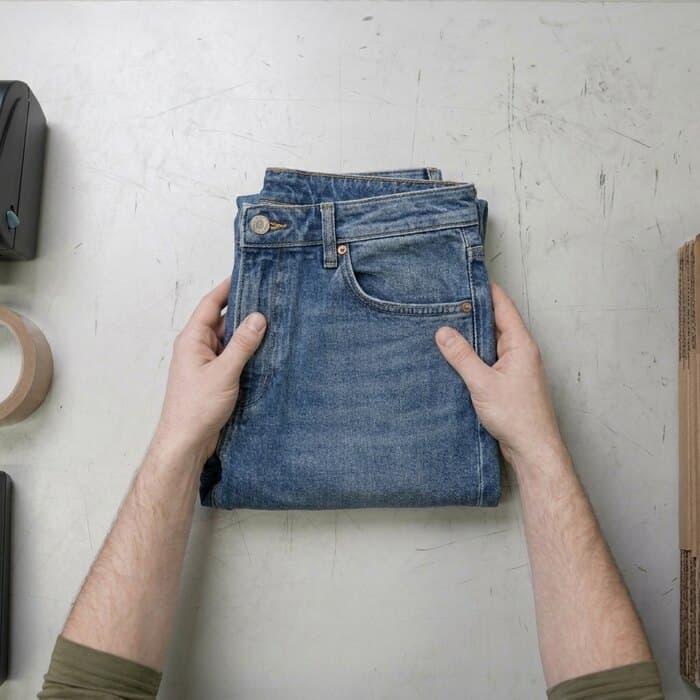
Denim
Wash, size tag and hems shown once, so a swapped pair is obvious.
Record one yourself, right now
Record a short clip on your own phone right now. It goes through the real pipeline and ends on a real verification page, the same kind of link a buyer or a reviewer opens.
- Scan the code that appears and the recording screen opens on your phone.
- Film anything you have on hand for a few seconds.
- You get the sealed record and its public verification link.
Takes about a minute. Nothing to install and no card needed.


Returns and refund claims, answered
The buyer already opened a refund request. Is it too late?
Not for your side of the record. The packing video is made when the order is packed, not when the claim arrives, so it is already on the order when the request comes in. The buyer's return recording is asked for when the return is requested; for an order that is already in a return, your team can send the request from the Returns page.
Can a packing video stop wardrobing?
It does not stop someone buying with the intention of returning, and nothing does. What it changes is the argument afterwards. When you can show the garment folded, tagged and unworn at the moment it was packed, and the buyer's own video shows it worn, the claim has to explain the difference.
How does the buyer send their return video?
Through a private link that opens in any phone or desktop browser, in the buyer's language, with your logo. They take a photo or video right there or pick an existing file. There is no app to install and no account to create. If you make evidence optional they can skip the step; if you make it required, the link stays open for up to 168 hours and the return is flagged as missing evidence if nothing arrives.
How common is return fraud?
Common enough to plan for. In the NRF and Happy Returns 2025 report, retailers that track it estimated that 9% of returns are fraudulent, before counting wardrobing. Appriss Retail's 2026 report measures fraud and abuse together at 14.2% of return value, about $100 billion in 2025, with abuse such as wardrobing six times larger than outright fraud.
What evidence helps with an Amazon SAFE-T claim?
Amazon's own guidance for SAFE-T claims asks for photos of the return packaging and label, photos of the item from several angles showing the damage or wear, and a comparison with an undamaged unit. A packing video gives you that undamaged unit: the same item, on the same order, before it shipped. For US seller-fulfilled orders, claims must be filed within 30 days of the return delivery scan or the refund, whichever is later.
Does PallasMark approve or refuse refunds?
No. PallasMark records, seals and shows the evidence; your store, your team and your return policy decide the refund. It never approves, blocks or refunds a return. With write-back on, the return's evidence status is added to the store order so your team sees it where they already work.
What if the buyer says the item was damaged in transit?
That is a different claim, answered by the same recording from the other end: the take shows the item's condition before the box was sealed. If it left you intact, the damage happened after it left, which is the start of a carrier claim. See the carrier and insurance use case for how that side works.
Do I have to record every order, or only high-value ones?
Recording only high-value orders is a common choice. The trade-off is that the claim you cannot answer is usually on an order nobody thought was risky. Recording takes a phone and about a minute, so many stores record every order and use evidence rules to ask for the buyer's return video only on the return reasons that need it.
Which platforms does it work with?
Shopify and WooCommerce orders arrive in PallasMark automatically, and orders from Amazon, ShipStation and ShipHero can be brought in too. Return requests start the buyer's evidence request on their own from Shopify and ShipHero; for WooCommerce it is one click on the order.
Is recording staff at the packing bench allowed?
In the EU and UK a recording of an identifiable person at work is personal data, so it needs a lawful basis, a stated purpose, a retention period and staff who know it is happening. In practice that is a short written notice and a defined retention window. Frame the camera on the bench rather than on faces.
Decide your next refund on evidence
Connect your store, record the next order on a phone and switch on return evidence for the reasons that cost you most.
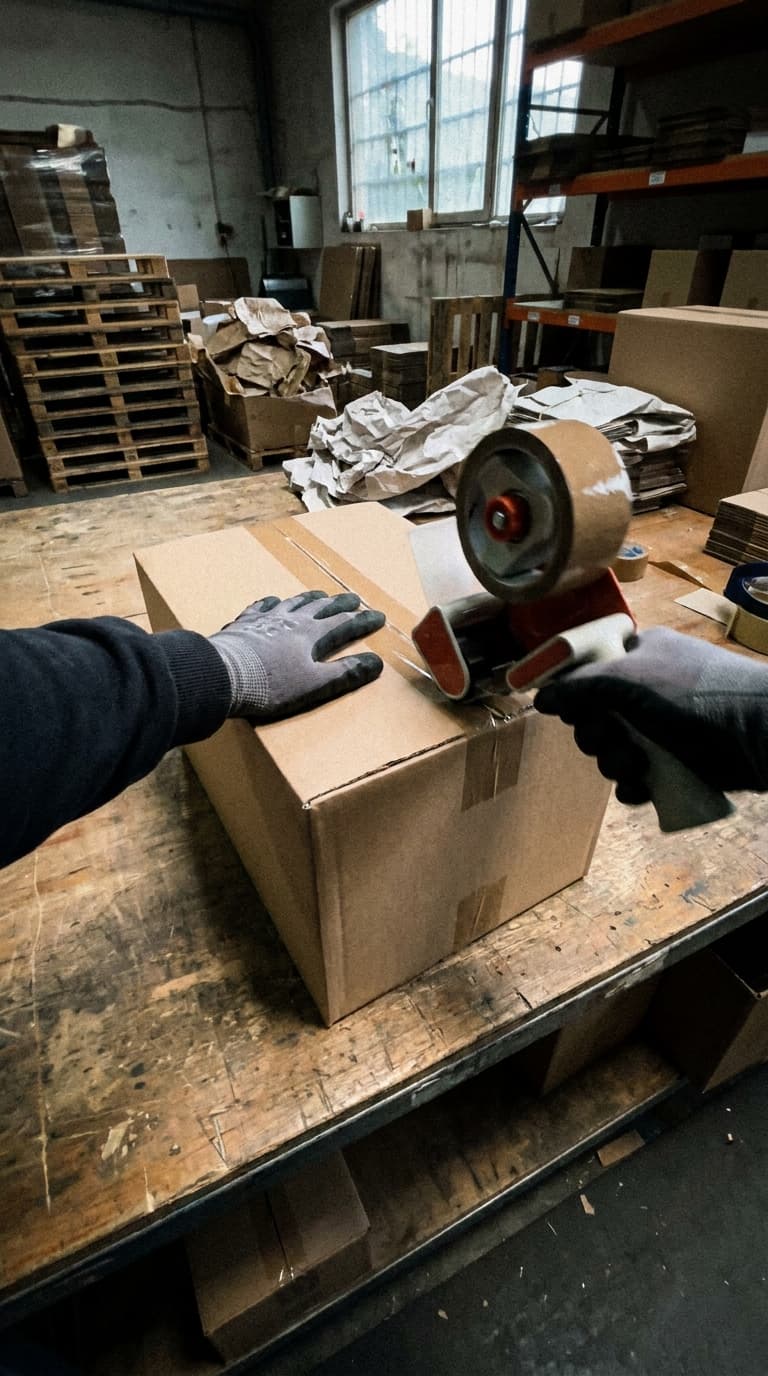
Other claims the same recording answers
One packing video per order covers every one of these. What changes is which part of it you show, and to whom.
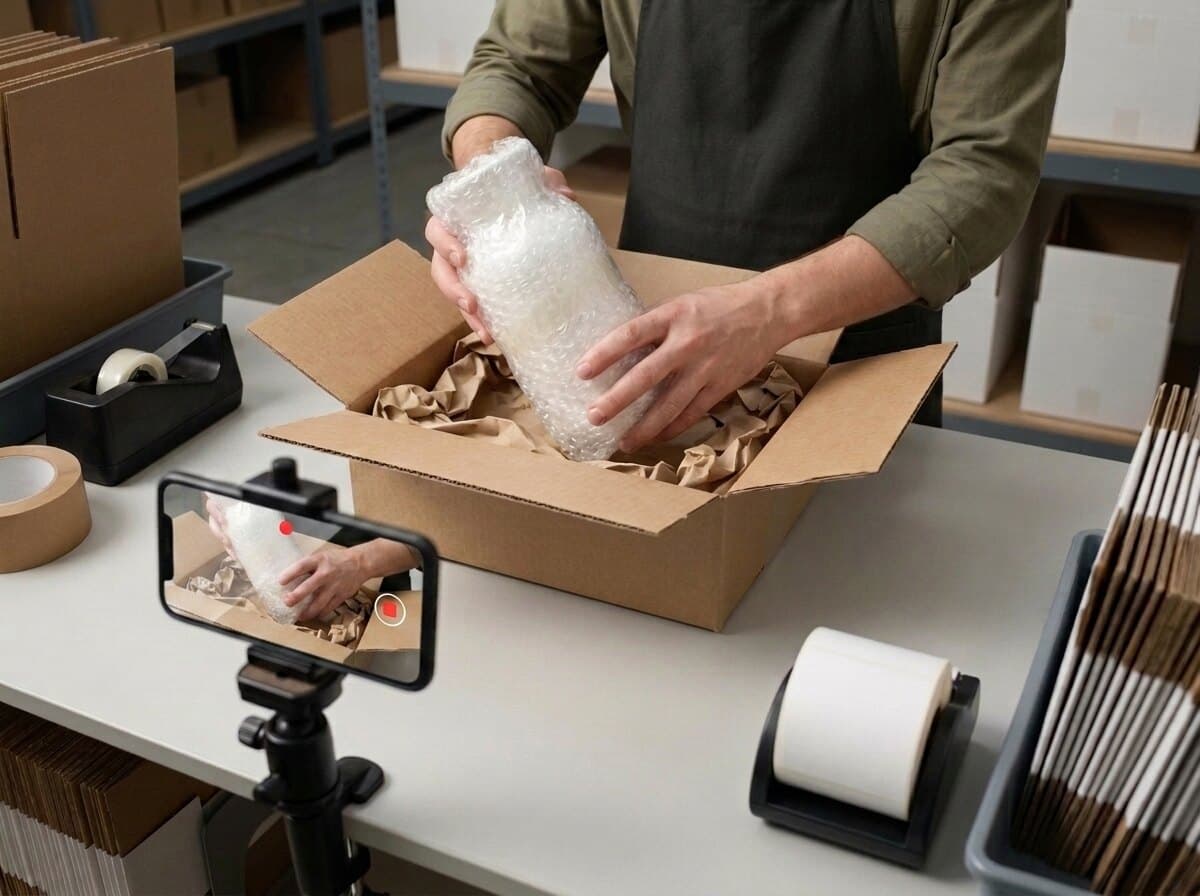 Carrier and insuranceShow the carrier and insurer how the item left you: intact and properly packed.
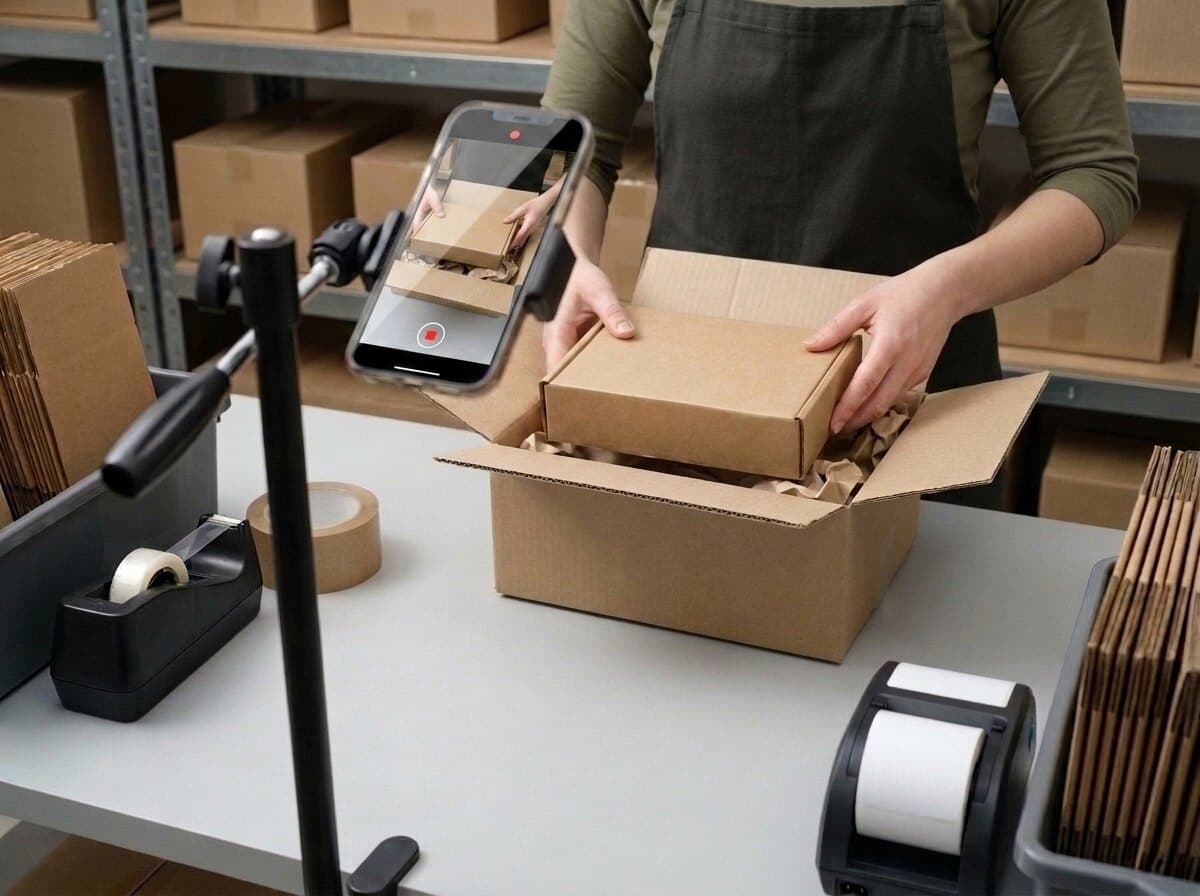 Buyer trustShow buyers who do not know you their own order being packed, before it ships.
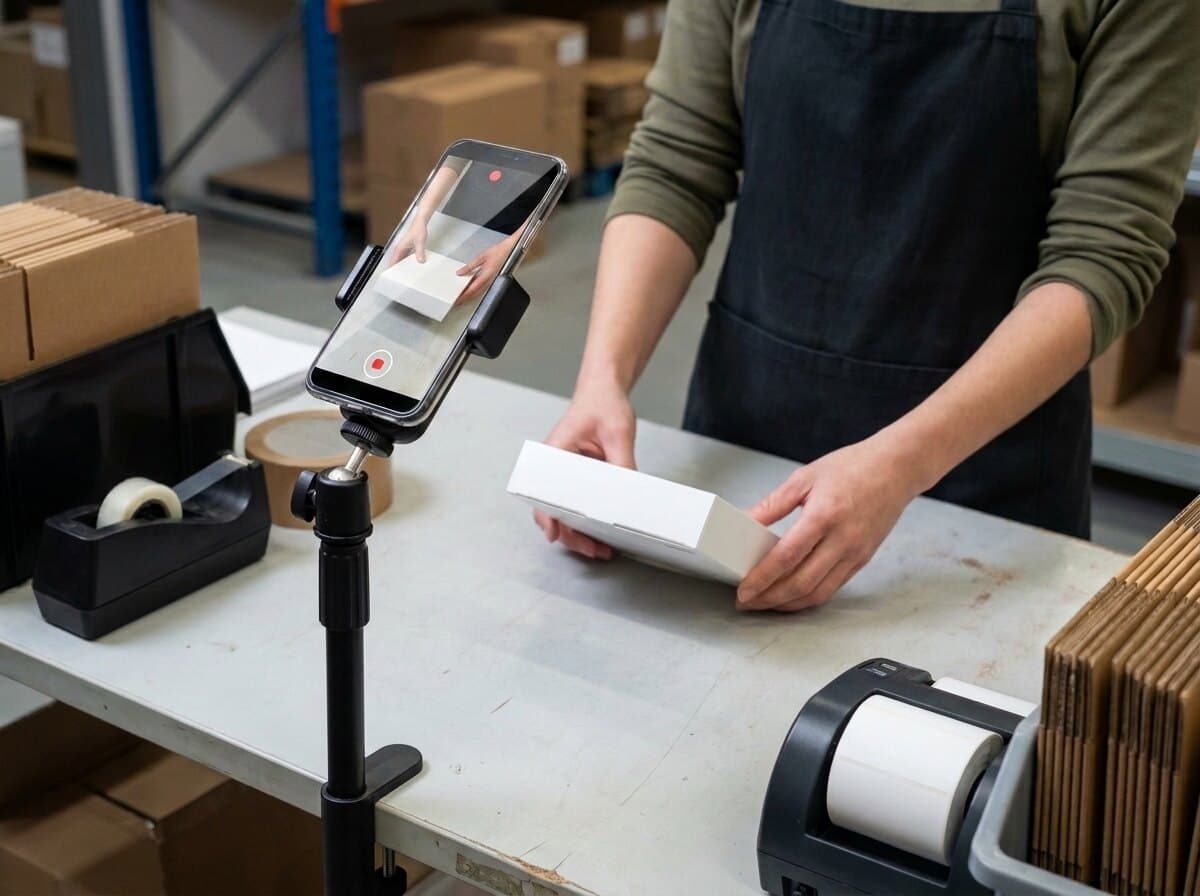 Authenticity and warrantyFilm the serial number, seals and condition of branded items before they ship.
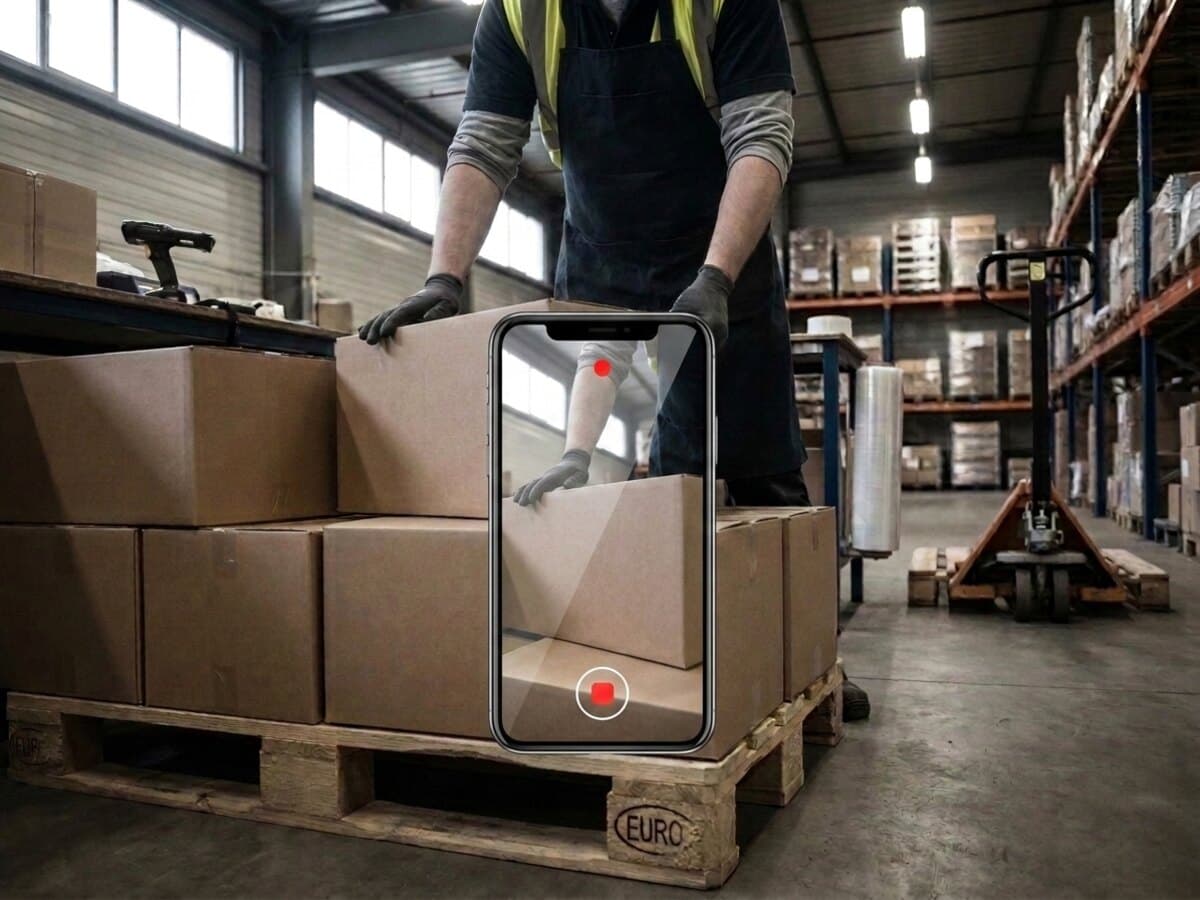 B2B shipmentsFilm the count and labels of every carton and pallet against shortage claims.
 Packing QARecord every packing station so you can see how mistakes happen and fix them.
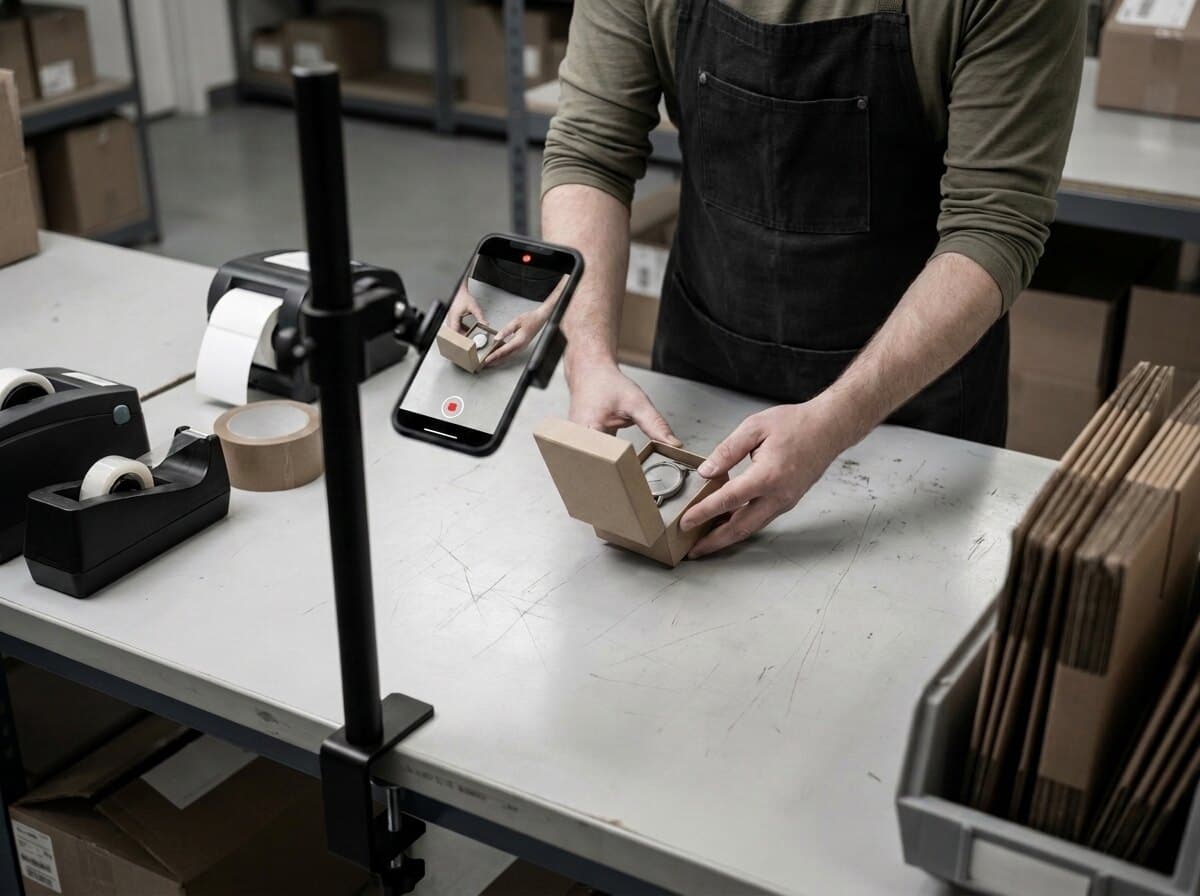 Jewelry and diamondsFilm the piece, its certificate and the parcel in one take for high-value orders.
What makes it work
- Return evidenceAsk the buyer to film the item before it comes back, and compare it with your packing video.
- Chargeback evidence fileA dispute alert, then one click to a PDF or secure link with the video frames, buyer answer and timeline.
- Store integrationsOrders arrive on their own, and the proof link goes back into the store order you already use.
Guides
- Packing video proof: how a recording becomes evidence
- Return fraud prevention: the evidence playbook for every false claim
- Seller dispute evidence by platform: deadlines, file rules and what wins
- What is proof of packing? Definition, three tests and how to create it
- Packing video software compared: what each tool actually records, and what it proves
- Friendly fraud chargebacks: how to prove the order was right
- Return receiving video: record every return as it is opened
- Shipping and warehouse damage glossary: freight, returns and dispute terms
- 3PL Returns Inspection: A Grading Standard With Photos Brands Can Check