Packing video proof for ceramics, glass and home decor
Film every vase, glass and framed print whole, wrapped and boxed before the carrier takes it. When a piece arrives broken, or a chip appears a week later, you show exactly how it left your studio.

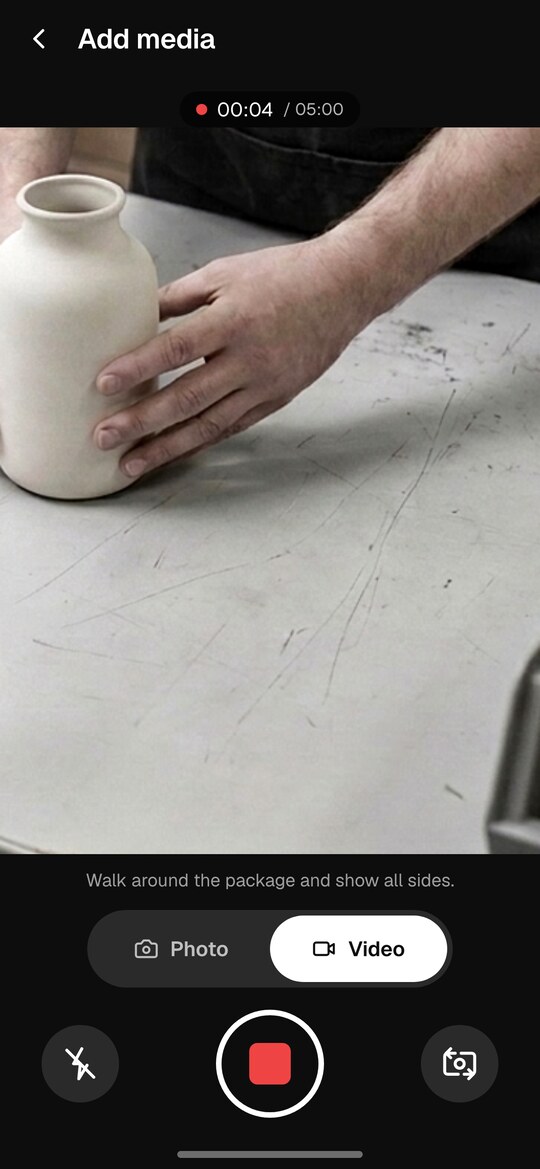
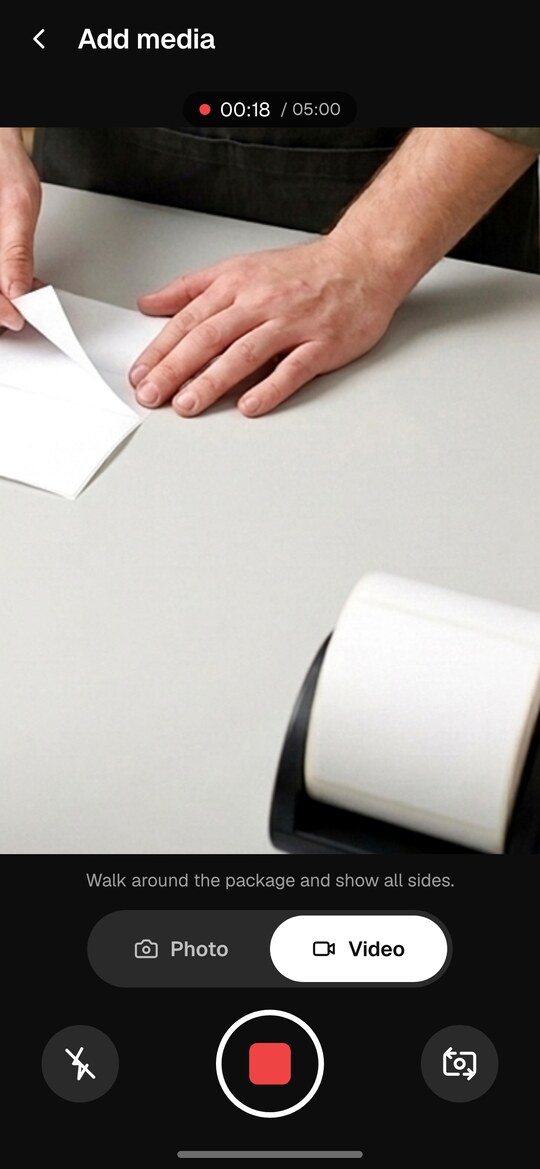
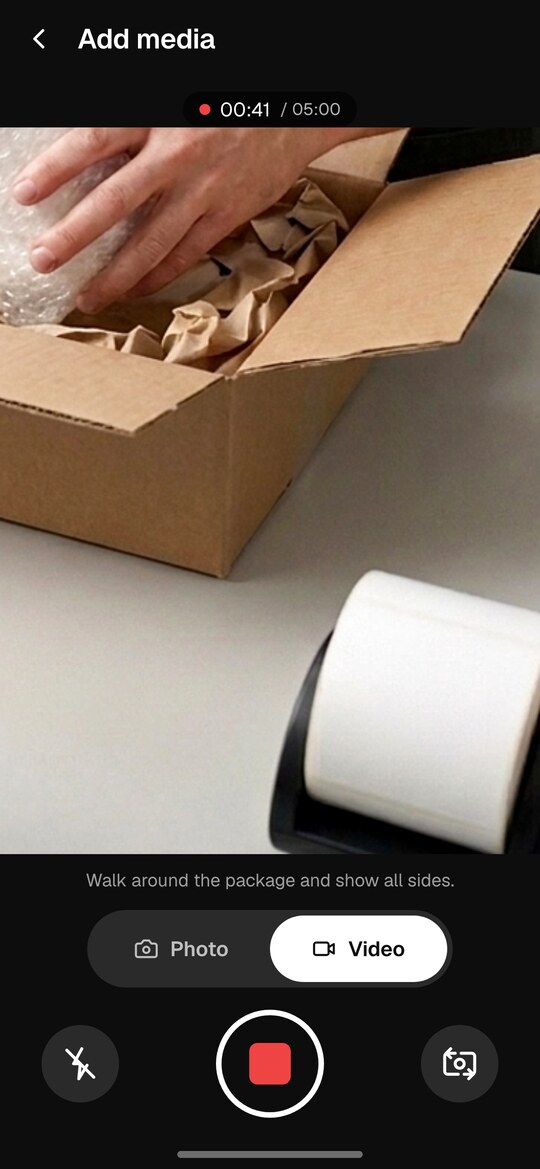
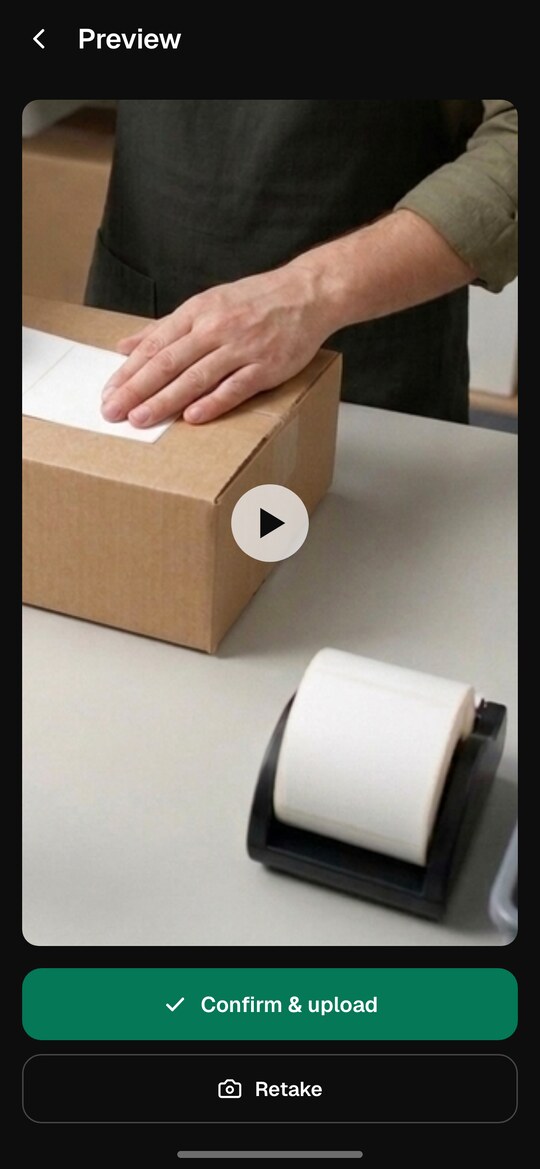
- Rim, base and stamp on camera
- Wrap and fill judged on video
- One file for carrier or bank
“A crack found at the front door raises one question: was it there when you packed it?”
How do I prove a vase was not broken before I shipped it?
Film it whole and then film it packed, without a cut between the two. PallasMark records the piece turned on every side, its wrap, its fill and the sealed, labelled carton in one take, bound to the order number and sealed with a SHA-256 fingerprint, a digital seal that shows if the file is ever edited. When a carrier, an insurer or a card issuer asks how it left you, one evidence file answers.
Last reviewed
What a broken-vase claim turns on
Carriers, insurers and banks ask the same three things when ceramics or glass arrive in pieces. Each one is a part of the PallasMark record.
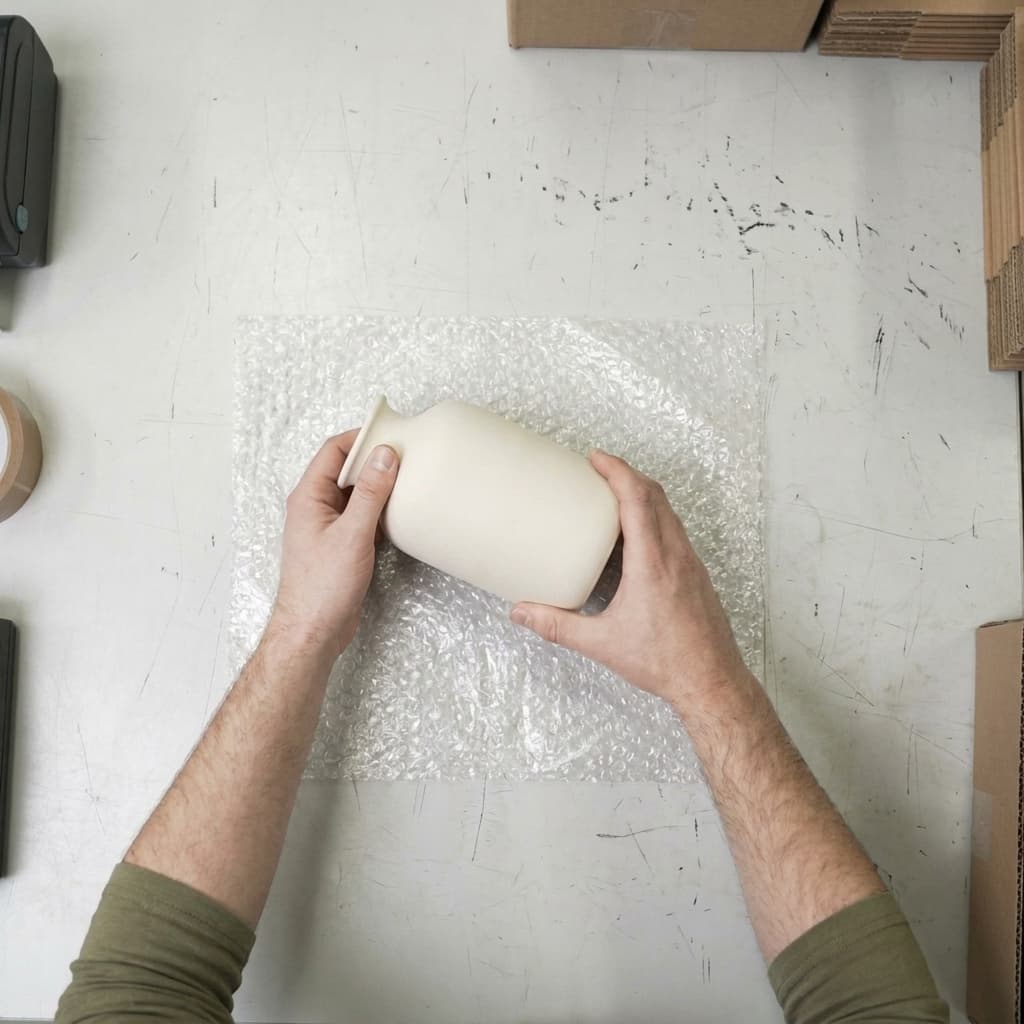
Was it whole when it was wrapped?
Condition before the wrap
Rim, handle, base and glaze turned to the camera, then the first layer of bubble wrap goes on in the same take.
The recording app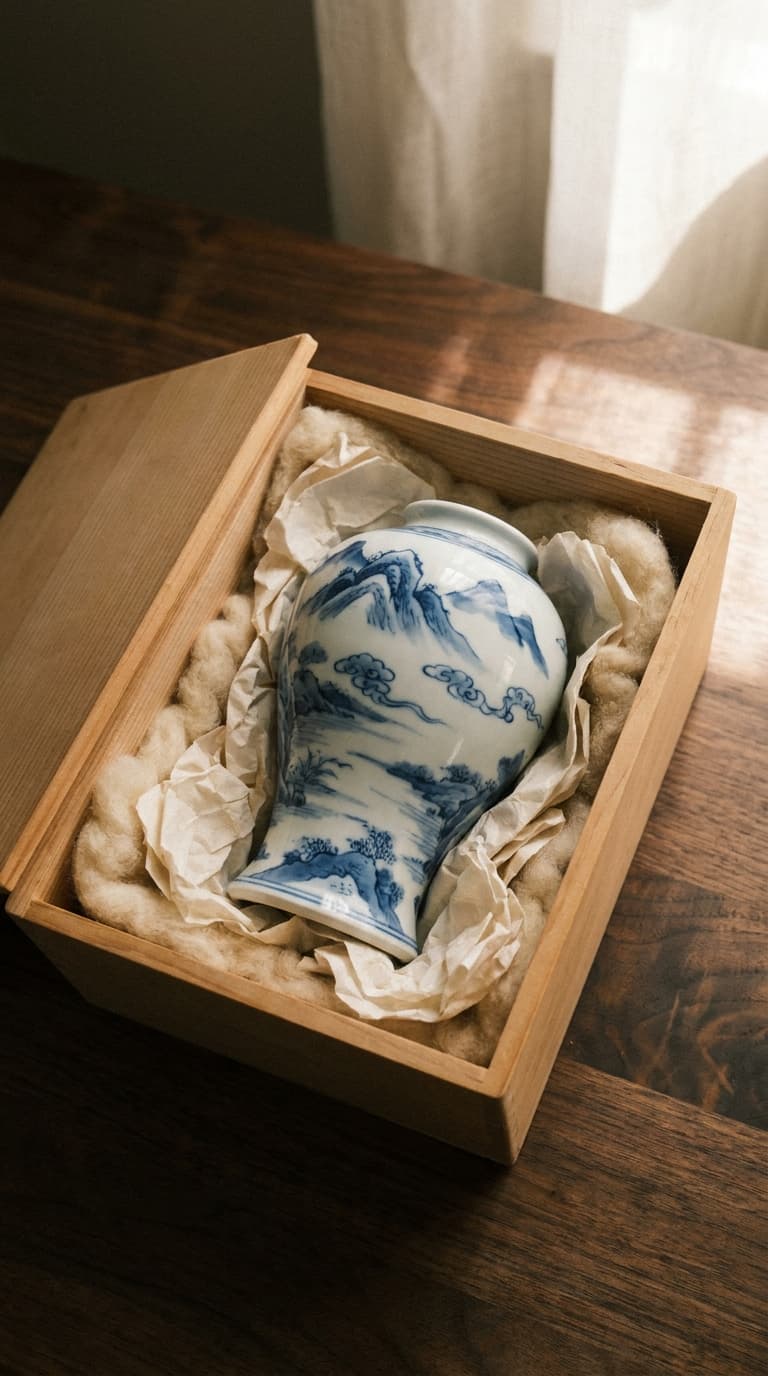
Was it packed for the journey?
Tissue, crate and fill on camera
Tissue, inner box or crate, fill and the sealed outer carton, so the packaging is judged on what it was, not on a description.
Warehouse proofIs the video the original?
A fingerprint anyone can check
Every file carries a SHA-256 fingerprint. A claims adjuster opens the public verification page and confirms it, with no account.
Tamper-proof video


From the studio bench to a claim that holds
Four steps on one order record. By the time the carrier scans the parcel, the proof of how your piece left you already exists.
Film the piece on every side, then pack it
Scan the order and turn the piece slowly to the camera: rim, body, base and maker's stamp. Wrap, box and seal it in the same take. Photos carry your company name, the order number and the time burned into the image.
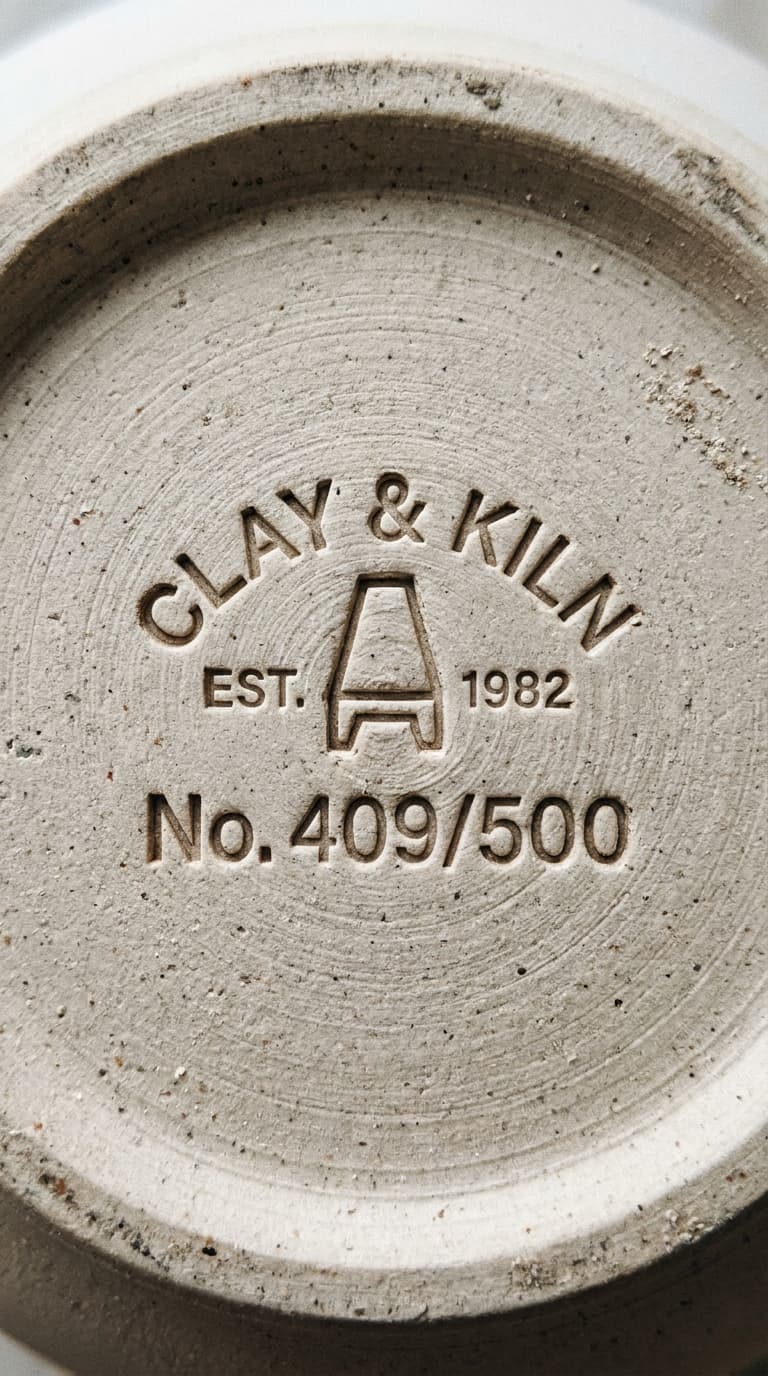
- Edition number and stamp on camera
- Team member, device and time on every file
- Works offline at the bench, uploads later
The buyer sees their handmade piece first
Buyer approvalHandmade glaze and glass vary from the shop photo. Send the buyer a private link with your logo to watch their piece being packed and approve it, so “not as pictured” is settled before it ships.
Carrier and tracking join the record
IntegrationsThe carrier and tracking number are read from your store's fulfilment, so the recording, the hand-over and the delivery sit in one timeline.
One file for the carrier, the insurer or the bank
The order's evidence file puts condition frames, packing, fingerprints, the buyer's approval and tracking into one PDF or secure link, ready for a damage claim or a chargeback (a buyer asking their bank to reverse a payment).
- Four still frames per video for reviewers
- Link expires in 1 to 30 days, optional PIN
- You submit it; PallasMark never decides it
What the camera has to show for a broken ceramics claim
A claim for broken glass or ceramics is decided on two things: condition and packing. Here is one order, filmed in one take.
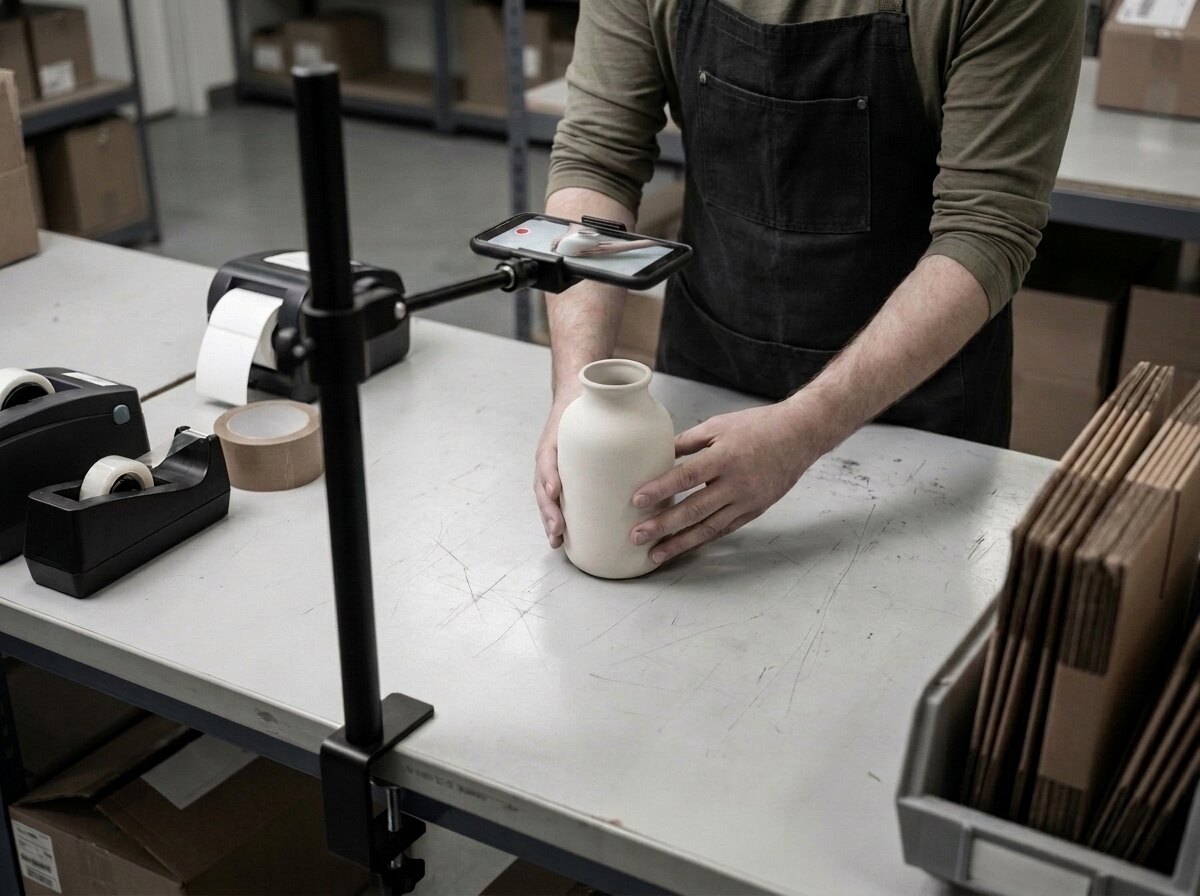
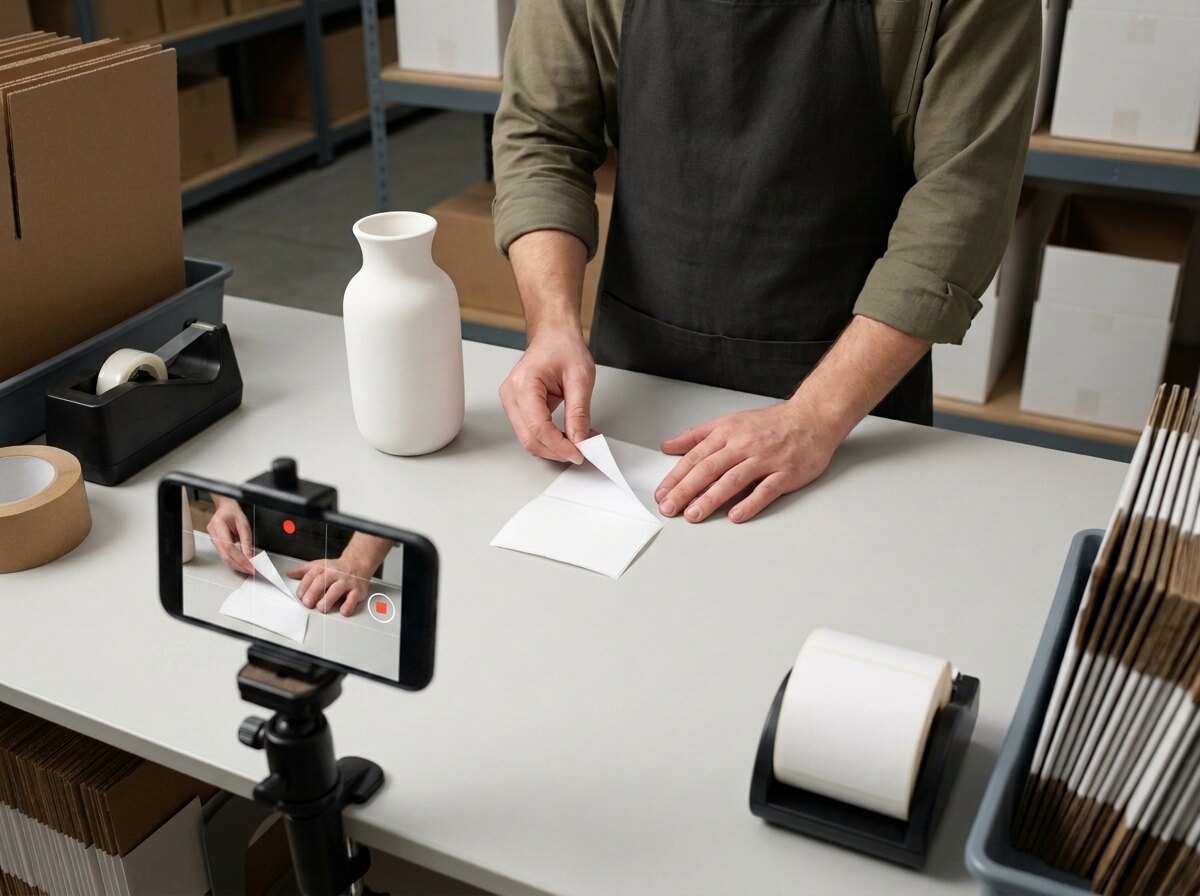
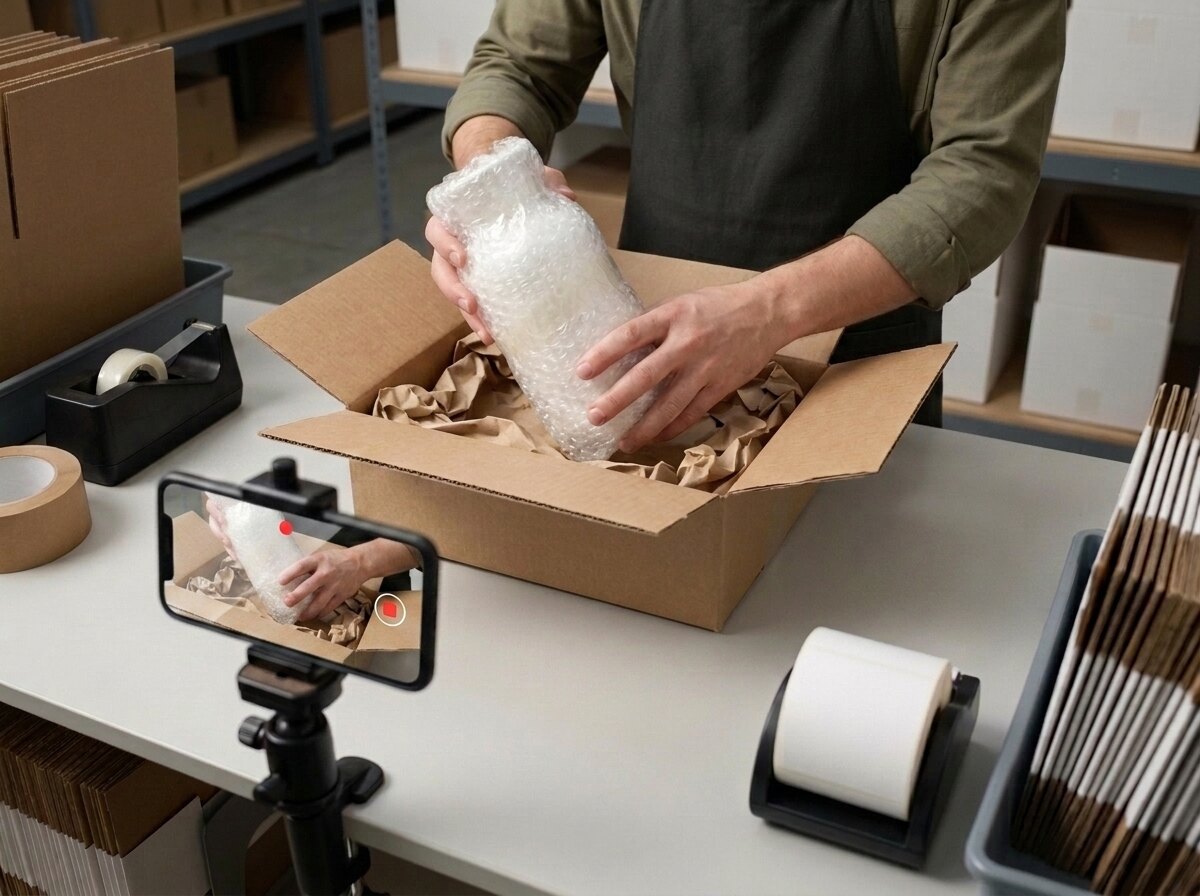
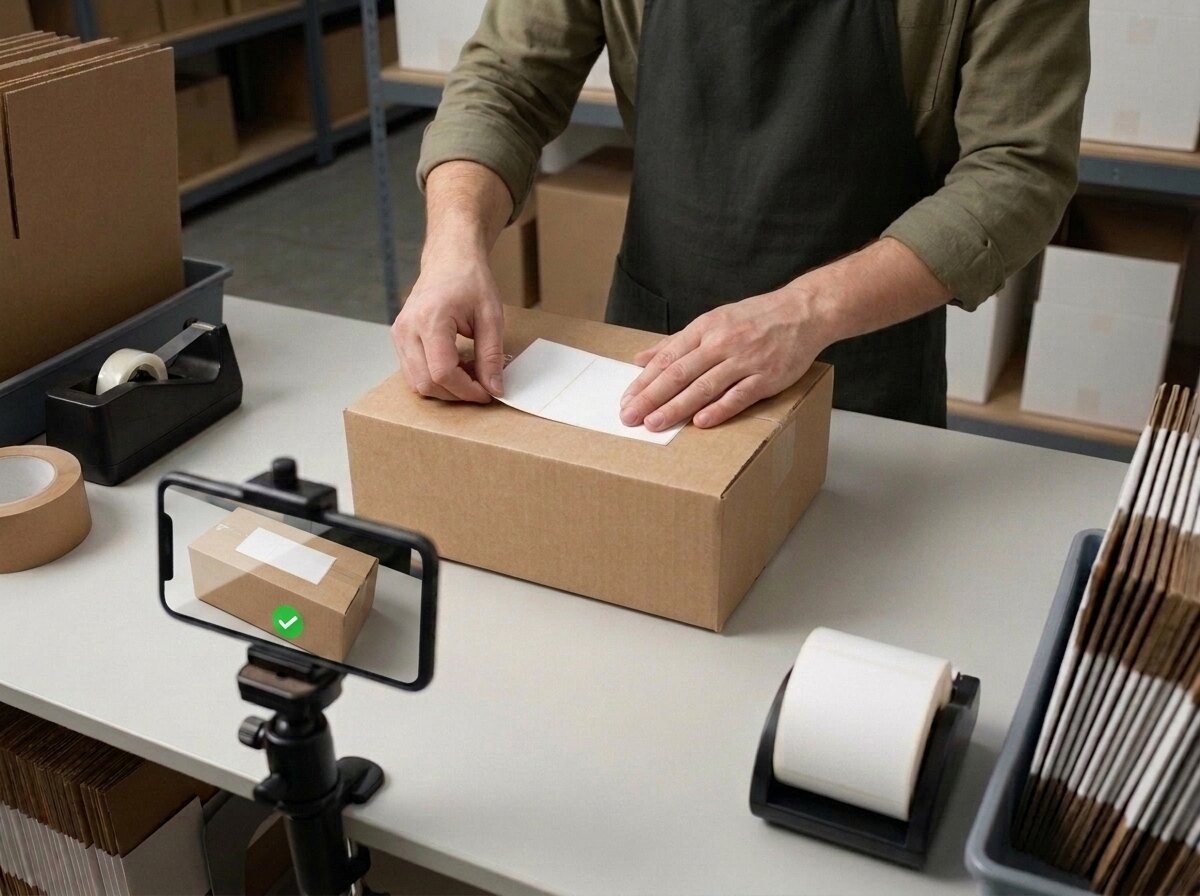 0:04
Turned slowly so the rim, glaze and base are visible, and so is the absence of any chip or crack.
“It arrived chipped”, with and without a record
A numbered stoneware vase is delivered on Monday. Nine days later the buyer reports a chip on the rim and disputes the charge as not as described.
Without a record
Dispute lost- The issuer asks what shows the vase was in good condition when it shipped.
- You have product photos from your shop and a tracking number.
- Neither shows that rim, on that piece, on the day it left.
- The money goes back. The vase stays with the buyer.
With PallasMark
Answered with one file- The vase, its rim and its edition stamp were filmed before the wrap went on.
- The buyer watched the packing video and approved it before dispatch.
- Delivery and the late report sit in the same timeline as the recording.
- You upload one PDF with still frames of the intact rim. The question has an answer.
What a fragile decor shipment record contains
Stored with the order automatically, so the claim file is ready the day a buyer says it broke.
- Condition and packing video
- One take from the bare piece on every side to the sealed, labelled carton, against the order number.
- Stamped photos
- Photos carry your company name, the order number and the upload time burned into the image.
- SHA-256 fingerprint
- Of every stored file, plus the original upload; anyone can re-check it on a public page.
- Buyer approval
- Decision time, watch time, device details and the exact media shown; location only with consent.
- Carrier and tracking
- Read from your store's fulfilment and shown in the timeline next to the recording.
- Evidence file
- Order, items, shipments, packing frames, fingerprints, the buyer's approval and a full timeline, as a PDF or expiring link.
What carriers, insurers and banks ask about broken glass and ceramics
Each carrier has its own claim window, but almost all of them can decline a claim over the packaging. A card issuer asks a different question: was it in good condition when it shipped?
UPS wants to see how it was packed
UPS, file a claimUPS asks for notice within 60 days of delivery. When it requests photos, it wants the damaged item and how it was packed inside the box, and it may refuse a claim if the packaging is not kept.
FedEx: 60 days from shipment
FedEx, claimsFor US shipments with damaged contents, FedEx claims must be filed within 60 calendar days of the shipment date, with proof of value and photos of the package and contents.
USPS may inspect the box
USPS, claimsUSPS damage claims must be filed within 60 days of the mailing date. The box, the packing and the contents must be kept, and may be inspected at a Post Office.
DHL Express: packaging must be adequate
DHL Express US, terms and conditionsDHL Express's US terms ask for a written claim within 30 days of pickup, and treat shipments with defective or inadequate packaging as unacceptable.
Insurers ask for pre-shipping images
Easyship, insurance termsEasyship's shipping insurance lists images that clearly show the packed items inside the packaging among the claim documents, and says missing them can lead to denial.
Visa: condition before shipment
Visa, merchant dispute management guidelinesFor not-as-described and defective-goods disputes, Visa lists records showing the item was in acceptable condition before shipment, and advises photographing items in good condition when sent.
Shipping fragile decor, defined
- Hairline crack
- A very fine crack in glass or ceramic that is easy to miss, and easy to claim was there on arrival.
- Crazing
- A network of fine lines in a glaze surface; in some glazes it is part of the look, not damage.
- Double boxing
- Packing a wrapped item in an inner box, then floating that box inside a larger carton with fill around it.
- Insufficient packaging
- The most common reason carriers and insurers decline claims for broken glass and ceramics.
- Concealed damage
- Breakage found only after the parcel was signed for, inside a box that looked fine from the outside.
- Edition number
- A number such as “409/500” on a limited piece, which ties that exact item to its run.
From studio pottery to framed prints
Wherever a chip, a crack or a broken corner decides who pays, the same recording shows how the piece left you.
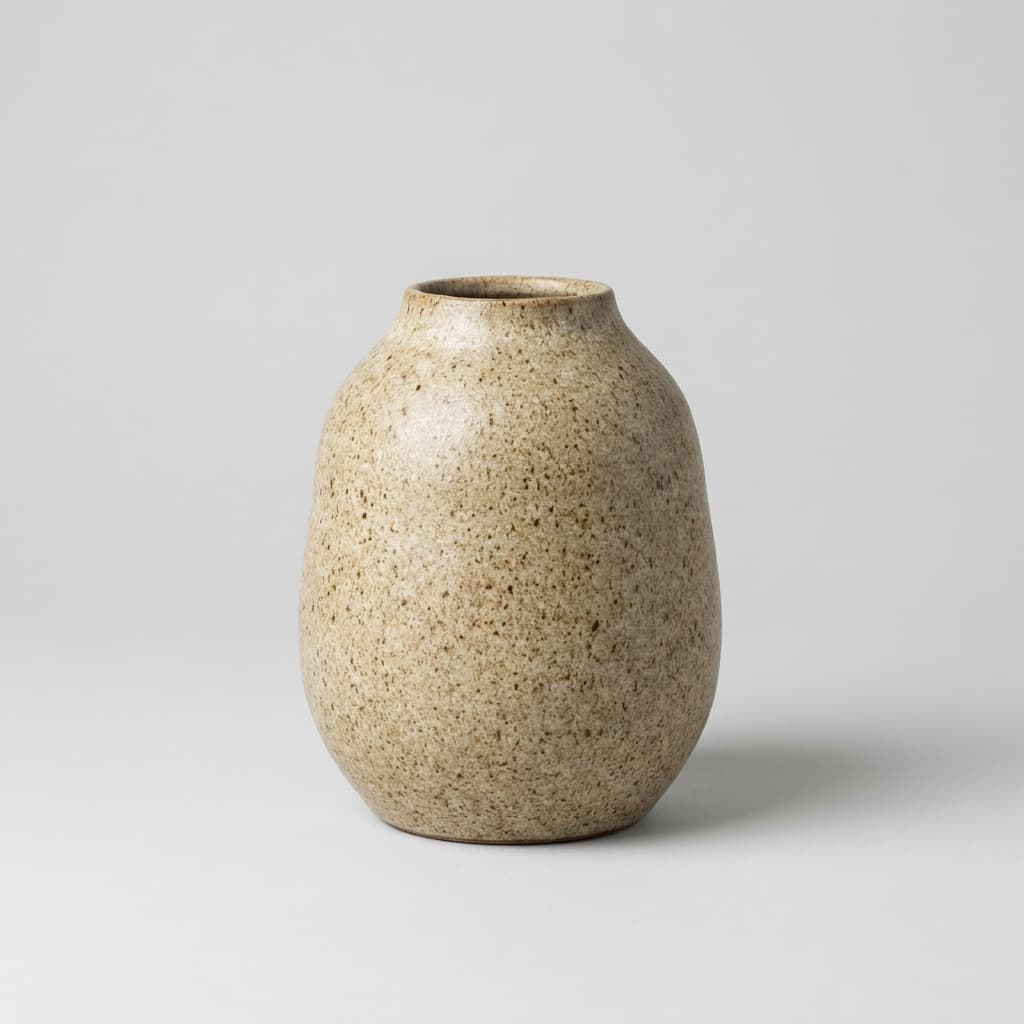
Stoneware and pottery
Speckled glaze, rim and foot on camera, so handmade marks are never mistaken for damage.
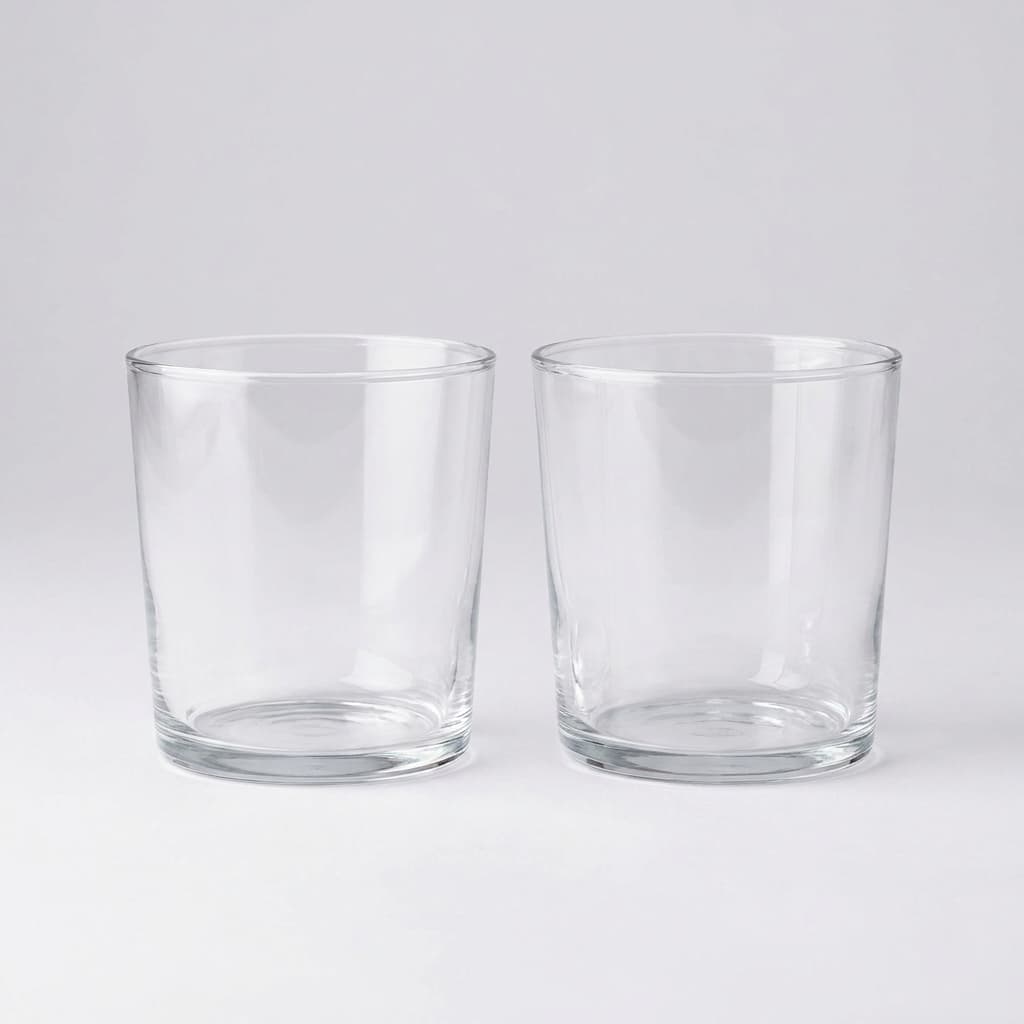
Glassware
Every glass in a set counted and shown whole before it is wrapped.
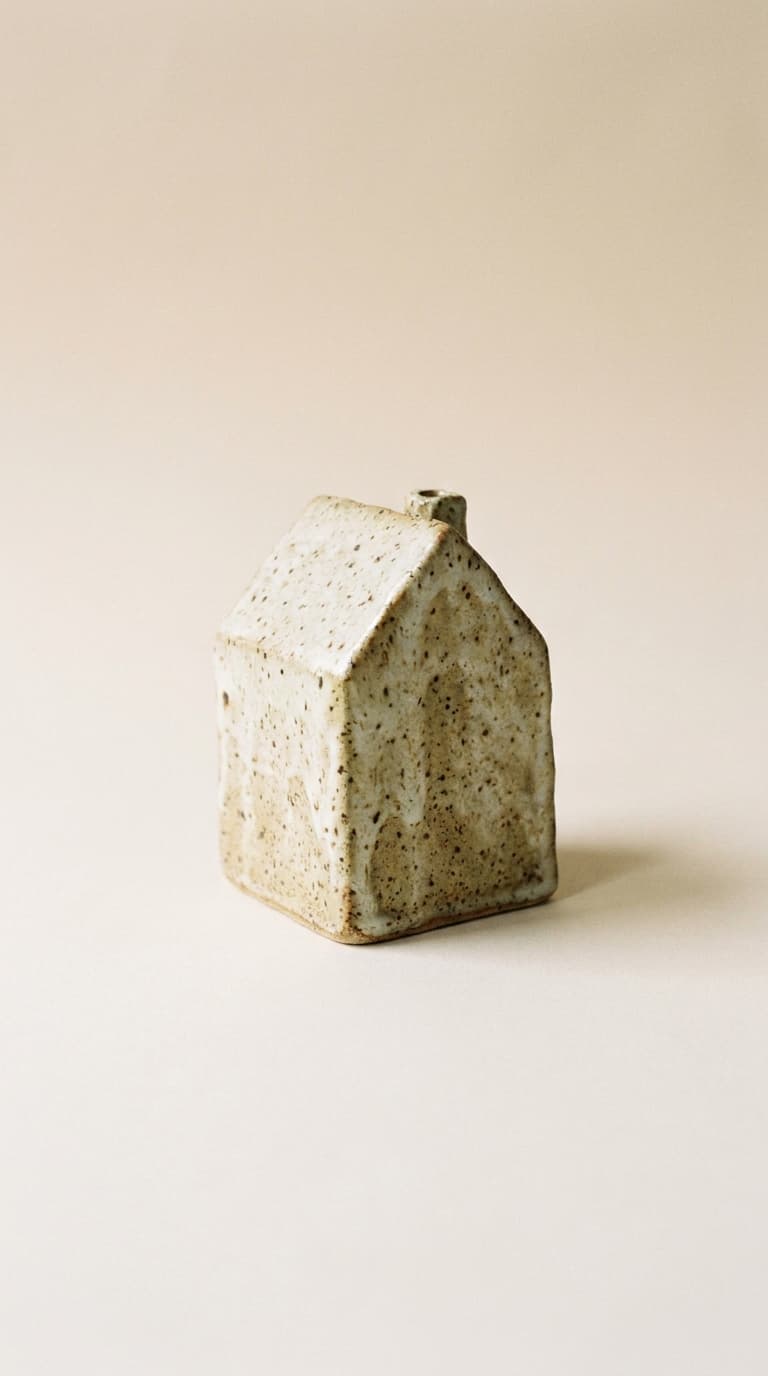
Ornaments and small decor
Small, delicate pieces filmed close up, with their edges and points intact.
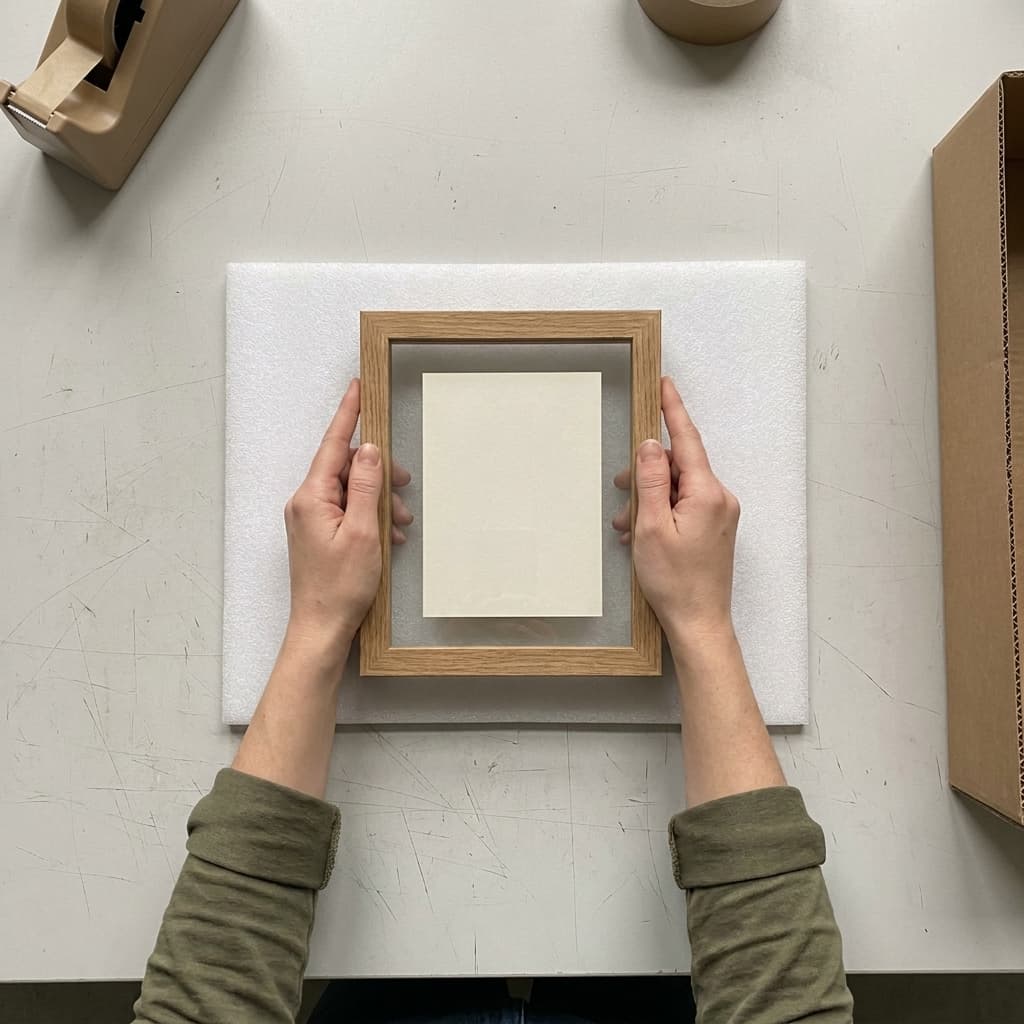
Framed art and mirrors
Glass face, corners and frame shown before the foam and corner guards go on.
Film a piece from your shelf, right now
Record a short clip on your own phone. It goes through the real pipeline and ends on a real verification page, the link a carrier or an insurer would open.
- Scan the code that appears and the recording screen opens on your phone.
- Film a mug, a glass or anything fragile on your desk for a few seconds.
- You get the sealed record and its public verification link.
Takes about a minute. Nothing to install and no card needed.

Shipping ceramics and glass with proof, answered
How do I prove a ceramic piece was not broken before I shipped it?
Record it whole before the carrier takes it. A video of the piece turned on every side, then wrapped, boxed, sealed and labelled in one take, bound to the order number, shows its condition and its packing at the moment it left you. PallasMark seals that video with a SHA-256 fingerprint and keeps it on the order with the time and the tracking number.
A buyer found a hairline crack days after delivery. What can I show?
Still frames of the same piece, intact, from the packing video. A hairline crack is hard to see, so film rims, handles and bases close to the camera and in good light. The order's evidence file puts those frames next to the delivery date and the buyer's report, so the timeline speaks for itself.
Why do carriers deny claims for broken glass and ceramics?
Most often because they decide the packing could not protect the item. DHL Express's terms treat inadequate packaging as unacceptable, and insurers such as Easyship can deny a claim without pre-shipping images of the packed item. A recording of the wrap, fill and carton lets the packaging be judged on what it actually was.
What photos does UPS ask for when a vase arrives broken?
When UPS requests photos, it asks for the damaged item and how it was packed inside the box, the shipping label and the outside of the package. Those are taken after delivery. A packing video adds the one thing they cannot show: the same vase and packing before it left you.
How long do I have to file a claim for broken ceramics?
It depends on the carrier. UPS asks for notice within 60 days of delivery, FedEx wants damaged-contents claims for US shipments within 60 days of the shipment date, USPS allows 60 days from the mailing date, and DHL Express's US terms allow 30 days from pickup. Check your own service's terms.
Do I need to keep the broken pieces and the box?
Yes. UPS, FedEx and USPS ask for the damaged item and its packaging to be kept until the claim is settled, and may inspect them. Ask your buyer to keep everything and photograph it. The packing video adds what those photos cannot: how it looked before it shipped.
How do I handle “it doesn't look like the photo” on handmade pottery?
Show the buyer their actual piece before it ships. With PallasMark buyer approval, the buyer watches their vase or glass being packed through a private link and approves it, or raises a problem while it is still on your bench. Glaze and colour variation is then settled before dispatch, not after.
How do I prove a numbered limited edition piece is the one I sent?
Film its stamp or edition number, such as “409/500”, in the same take as the packing. If the piece comes back, you can ask the buyer to film the return before sending it, and compare the number on both recordings.
Ship your next fragile piece with its proof
Connect your store and record the next vase, glass set or framed print on a phone, before the carrier collects it.
More claims and industries the same recording covers
One packing video per order answers every one of these. What changes is which part of it you show, and to whom.
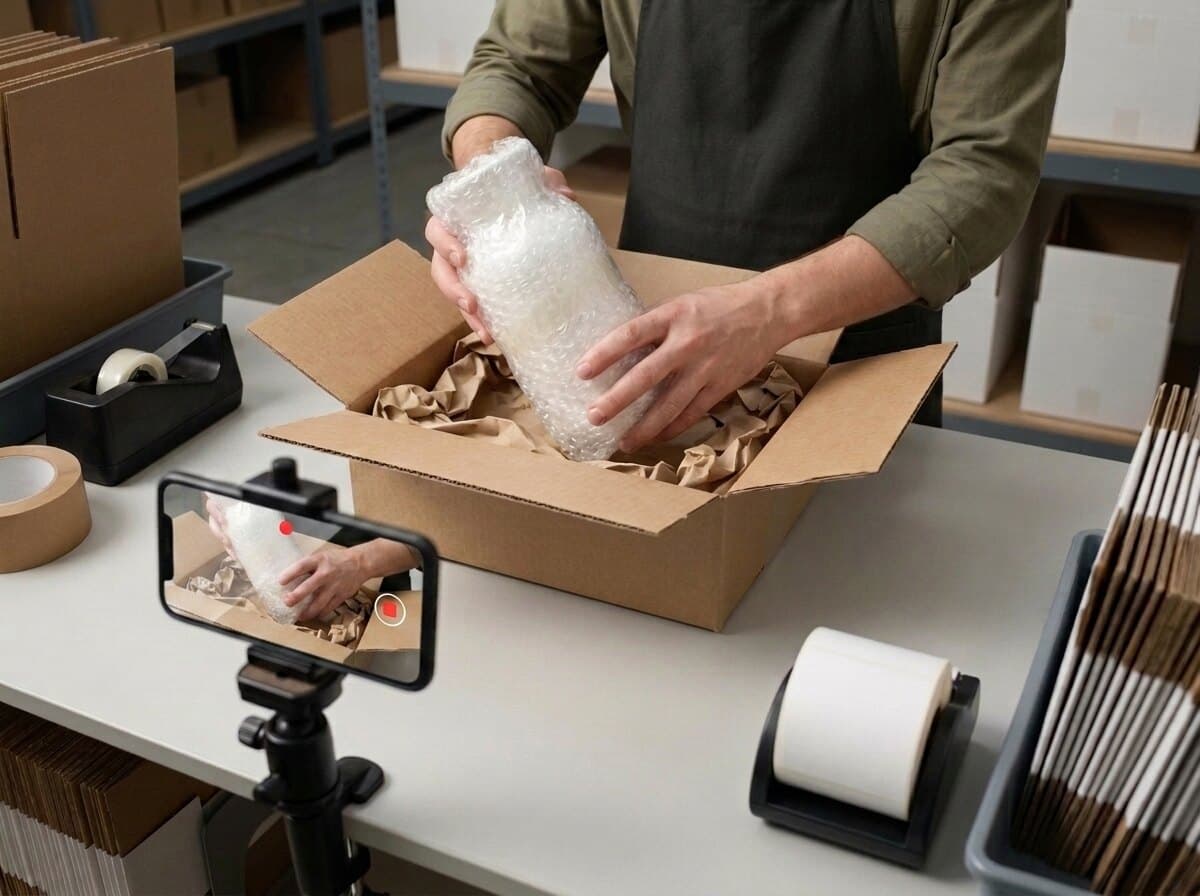 Carrier and insuranceShow the carrier and insurer how the item left you: intact and properly packed.
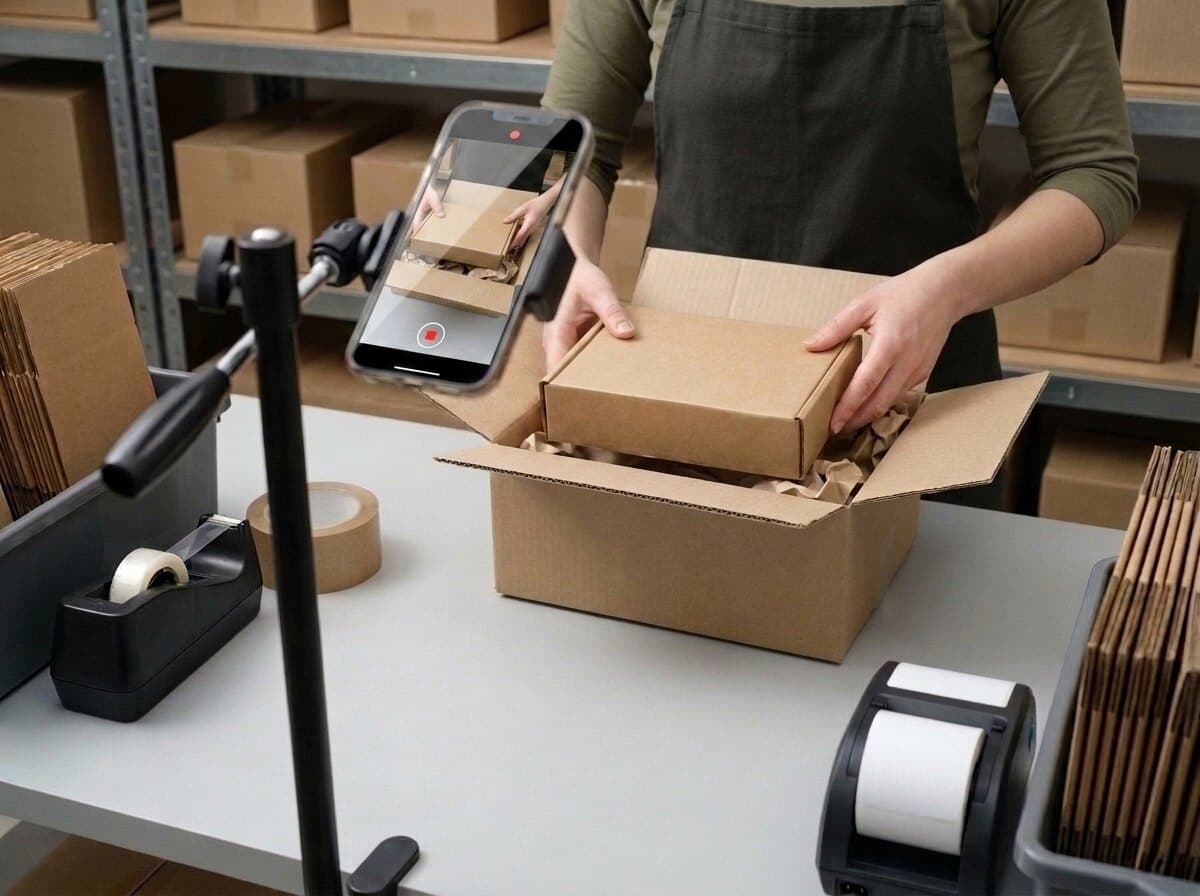 Buyer trustShow buyers who do not know you their own order being packed, before it ships.
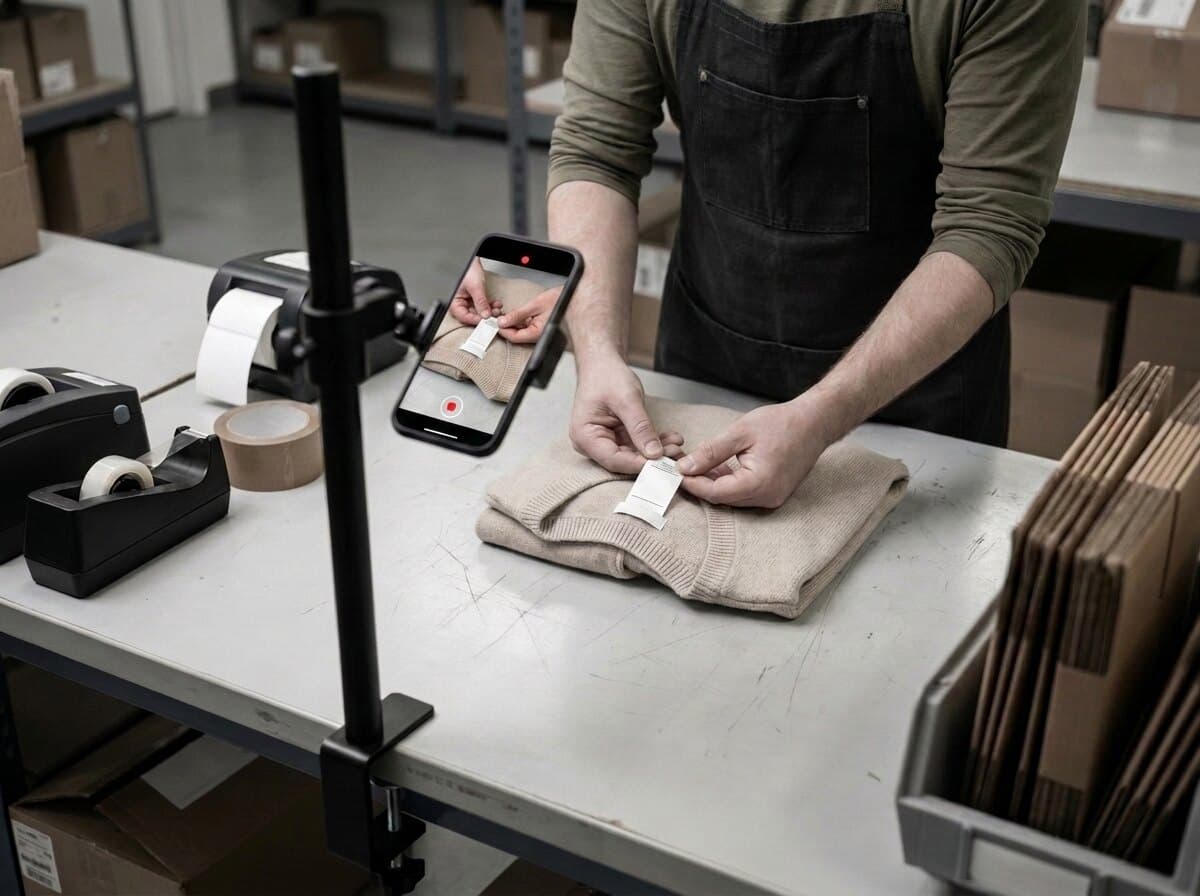 ReturnsCompare your packing video with the buyer's return video before you refund.
 Fashion and apparelFilm tags, size and colour before it ships, then compare with the buyer's return video.
 Sneakers and footwearFilm the box label, size tags and soles so a returned replica meets the real pair.
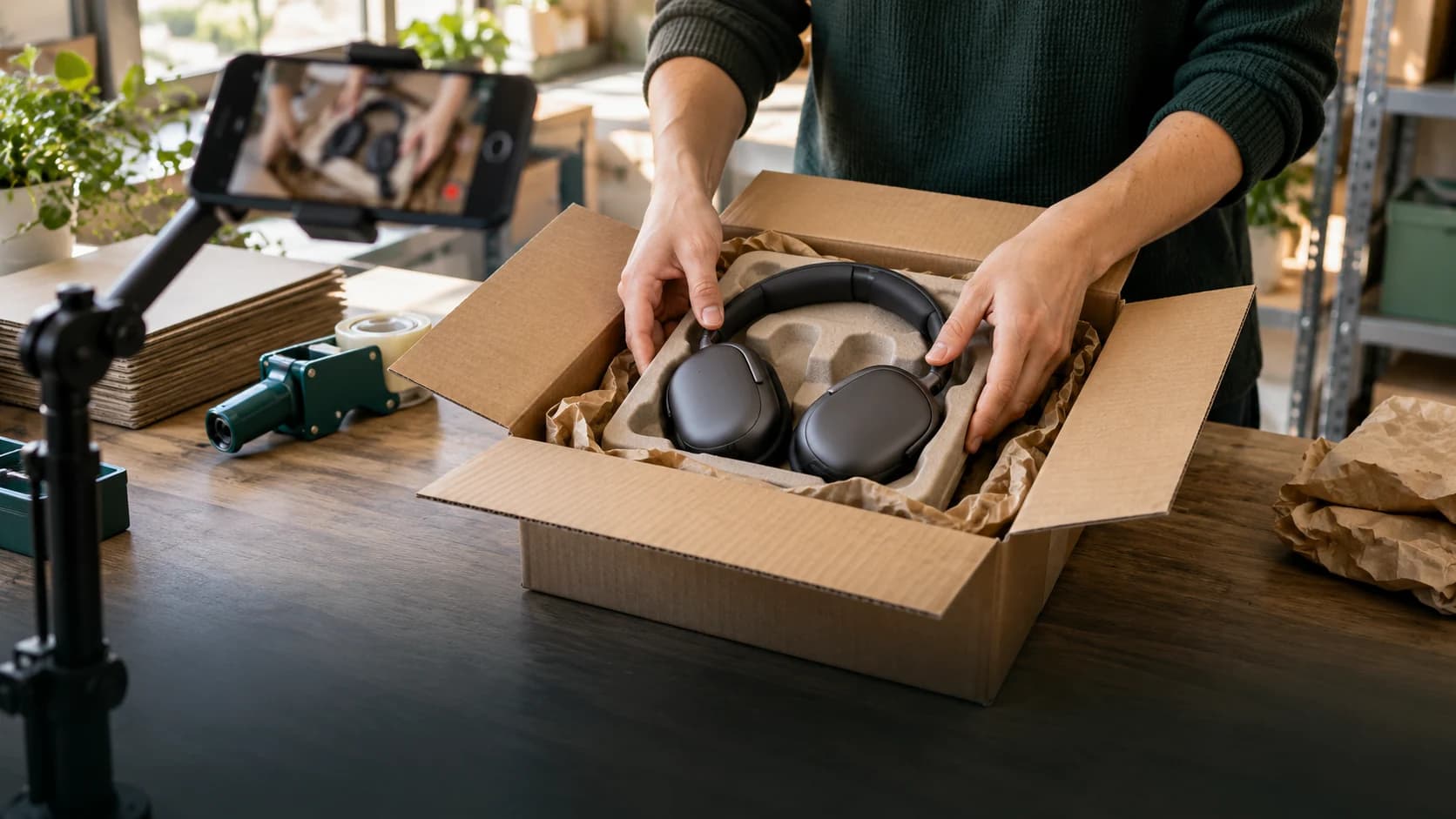 Consumer electronicsFilm the serial, the seal and the accessories so swaps and empty-box claims meet a record.
 Watches and luxury goodsFilm the watch, its serial and papers in one take before a luxury order ships.
 Beauty and skincareFilm seals, shrink wrap and every kit item before beauty orders ship.
 Perfume and fragranceFilm the seal, batch code and fill level of every perfume bottle before it ships.
 Furniture and bulky itemsFilm every box, part and wrapped pallet before freight pickup, for damage and shortage claims.
 Cameras and photo gearFilm the lens serial, glass and accessories so swaps and condition claims meet a record.
 Handmade and giftsLet buyers approve personalised pieces before they ship, and answer cases with one file.
What makes it work
- Tamper-proof videoEvery recording gets a SHA-256 fingerprint and a public link anyone can use to check it.
- Buyer approvalThe buyer sees the packing video before dispatch and approves or reports a problem — on record.
- Chargeback evidence fileA dispute alert, then one click to a PDF or secure link with the video frames, buyer answer and timeline.
- Store integrationsOrders arrive on their own, and the proof link goes back into the store order you already use.
- Warehouse & pallet proofScan the pallet label, record its condition and share one link — AI label reading on Scale.
Guides
- Packing video proof: how a recording becomes evidence
- Shipping damage claims by carrier: deadlines, photos and packaging rules
- Blimp alternative: warehouse photo proof that clients can verify
- Furniture damaged in shipping: how sellers file the claim and prove the packing
- Shipping and warehouse damage glossary: freight, returns and dispute terms
- Artwork condition report before shipping: free template with photo steps
- Cargosnap alternative: warehouse photo proof tied to orders and pallets
- Dimensional Weight Adjustment Disputes: UPS and FedEx Charge Corrections
- Faire damaged item reports: what brands should capture and how to dispute