Part of the Disputes and chargebacks guide
Friendly fraud chargebacks: how to prove the order was right


On this page
A customer who received the order disputes it anyway, and your evidence does nothing. Usually it was fine; it answered the wrong question. This guide maps each claim to the evidence that answers it, as of October 2026. Deadlines by platform are in the seller dispute evidence hub.
What friendly fraud is, in the networks' words
Friendly fraud is a cardholder disputing a purchase they made. Visa defines first-party misuse as "when a cardholder disputes a legitimate purchase that they intended with their issuer" (Visa, 2022).
It ranges from honest confusion to deliberate lies. Visa's Dispute Management Guide for Merchants (October 2026) lists "the cardholder does not recognize the charge" as a typical trigger of a 10.4 fraud dispute. Stripe says the same of its "Fraudulent" category: the cardholder may have failed to recognize a legitimate charge (Stripe dispute categories).
When a paid third party writes the claim, see refund fraud as a service; when the abuse runs through returns, see the return fraud evidence playbook.
Prove the order was right: match the evidence to the claim
The reason code tells you which question the issuer is asking; your evidence must answer that question and no other. Visa's guide says evidence should link the transaction to the cardholder and address the specific claim, and that submitting excessive or unrelated information can make it harder for issuers to identify the key facts.
| The customer claims | Dispute family | Evidence that answers it |
|---|---|---|
| "I didn't make this purchase" | Fraud: Visa 10.4, Mastercard 4837 | Prior undisputed orders, device or IP match, login ID, 3-D Secure, AVS and CVV2 results. Packing proof does not help |
| "It never arrived" | Goods: Visa 13.1 | Carrier proof of delivery with the full address; packing record as support. See item not received chargebacks |
| "Not what I ordered", "damaged", "missing a piece" | Goods: Visa 13.3 | Listing as shown at checkout plus a dated record of the exact item packed |
| "I don't recognize this charge" | Often fraud-coded | Clear descriptor and receipt; pre-dispute tools before it becomes a dispute |
| "I already settled this with you" | Any | Refund record, or the cardholder's written withdrawal |
When it's coded as fraud: Compelling Evidence 3.0
A fraud-coded dispute is answered with identity and history, not with proof of the goods. Visa's guide says card-absent fraud outcomes are influenced by authentication, risk factors and issuer fraud reporting "rather than documentation alone".
Visa's Compelling Evidence 3.0 (CE 3.0) covers returning customers. It generally needs:
- Two prior transactions on the same payment credential, not reported as fraud, processed within 365 days before the disputed transaction and more than 120 days before the dispute was submitted.
- A consistent device ID, device fingerprint or IP address, plus another identifying element such as a login ID or the full delivery address.
- A description of the goods for all three transactions.
Visa's Core Rules (24 October 2026) changed the criteria for disputes processed from that date: device ID and device fingerprint now count as similar data elements and can't both be supplied, and a purchase order number can replace the goods description for some authenticated transactions. Confirm the current version with your acquirer, who may submit CE 3.0 data for you.
The guide says CE 3.0 is less likely to apply to first-time purchases and guest checkout, and an email or phone number counts as a login identifier only if you used it to authenticate the cardholder. The full data checklist is in packing video as chargeback evidence.
Shopify gives the same direction for its "Fraudulent" reason: if the customer is mistaken, submit the fulfillment timestamp, billing information, IP address and country, and shipping details (Shopify chargeback reasons). Shopify Protect covers eligible orders against fraudulent and unrecognized chargebacks, not goods disputes.
When it's coded as "not received"
A goods-coded "never arrived" claim is decided on carrier proof of delivery with the full address. Your packing record supports it by showing the order left complete and sealed. The full playbook, including porch theft and in-transit disputes, is in item not received chargebacks.
When the claim is "wrong, damaged or missing"
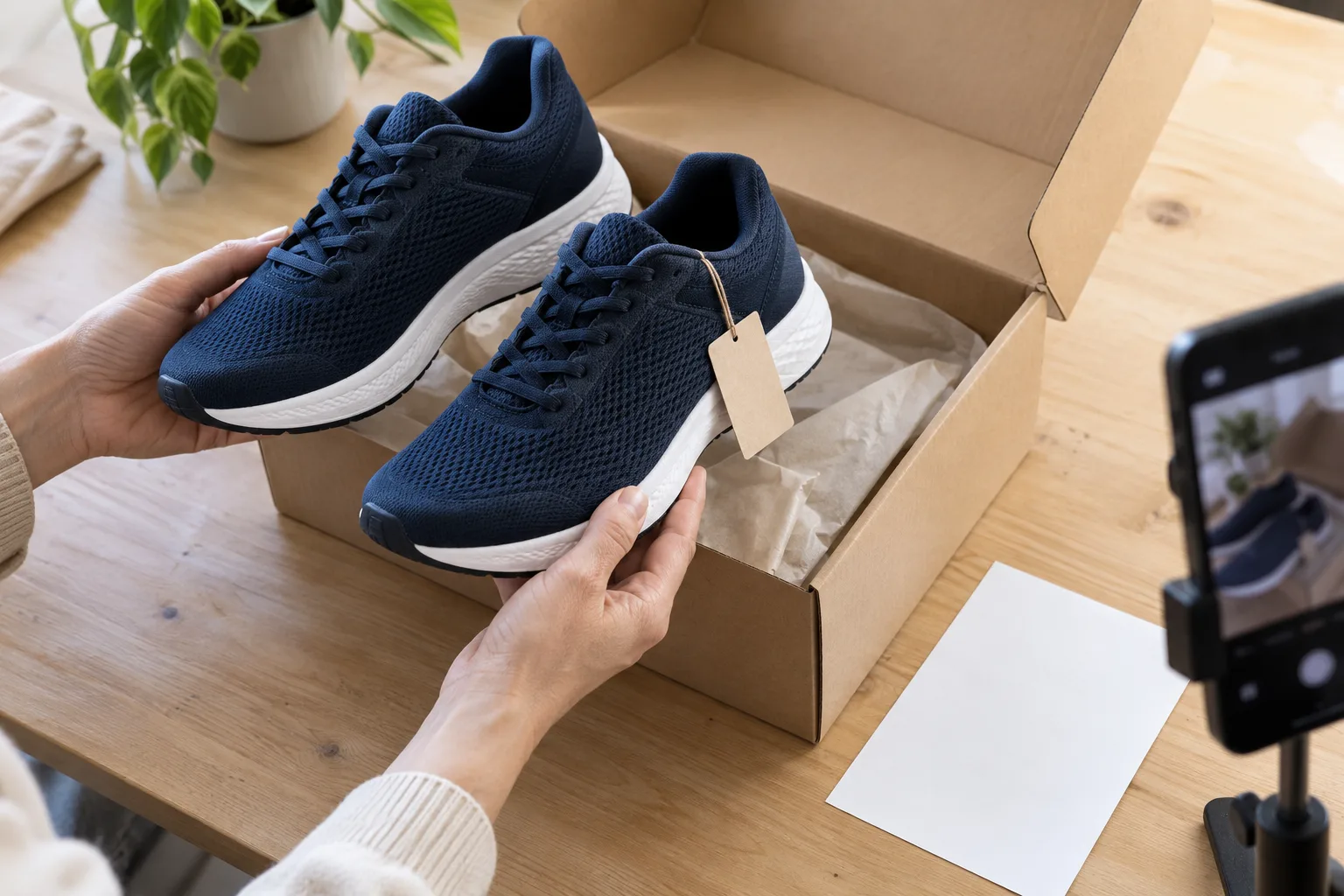
For a not-as-described claim, you prove the order was right by showing what the buyer was promised and what you actually sent. Visa's guide says to respond if the goods materially matched the description, images and terms shown before purchase. Its examples include screenshots of the product description at checkout and quality or inspection records showing the item's condition before shipment.
The guide also warns that "the item is as described" is not sufficient without documentation, and that inspection records support but don't replace the customer-facing description. So send both:
- The promise: a screenshot of the product page and checkout summary, with variant, size and color.
- The shipment: dated stills from the packing record showing the exact item, variant and condition, with the order number in frame, then the sealed carton.
- The identifier: a serial number or lot code on camera when the item has one.
The strongest version is the buyer's own approval of the packed parcel before it shipped: they watched the recording and approved that exact box. See photo approval before shipping. The item-identity and damage checklists are in customer says the wrong item was sent and customer says the item arrived damaged.
When you already settled it
If you already refunded or the customer agreed to drop it, send that record. Visa's guide asks for refund evidence showing the date, amount and transaction reference. A cardholder withdrawal must be a dated communication sent after the dispute began, clearly accepting the transaction, with transaction details; it is not available for authorization disputes.
Step by step: answering a friendly fraud chargeback
Start the day the dispute arrives; Shopify due dates fall 7 to 21 days after filing (Shopify chargeback evidence).
Preventing friendly fraud before the dispute
Friendly fraud is cheaper to prevent than to fight.
- Use a statement descriptor customers recognize and send receipts on payment, as Stripe recommends.
- Use 3-D Secure and enable AVS and CVV2 checks; Visa's guide lists all three for 10.4.
- Store IP, device and login data on every order so CE 3.0 is possible later.
- Ask your processor about Verifi Order Insight and Rapid Dispute Resolution. After accepting an RDR, Visa says not to issue a separate refund unless your acquirer advises it.
- Visa's VAMP fact sheet excludes disputes resolved through pre-dispute solutions from the ratio. More in the Visa VAMP threshold and chargeback software vs packing video.
- For goods disputes, show the buyer the packed order before or at dispatch.
Copy-ready text for friendly fraud disputes
Adapt the bracketed parts.
How PallasMark handles the goods-dispute half
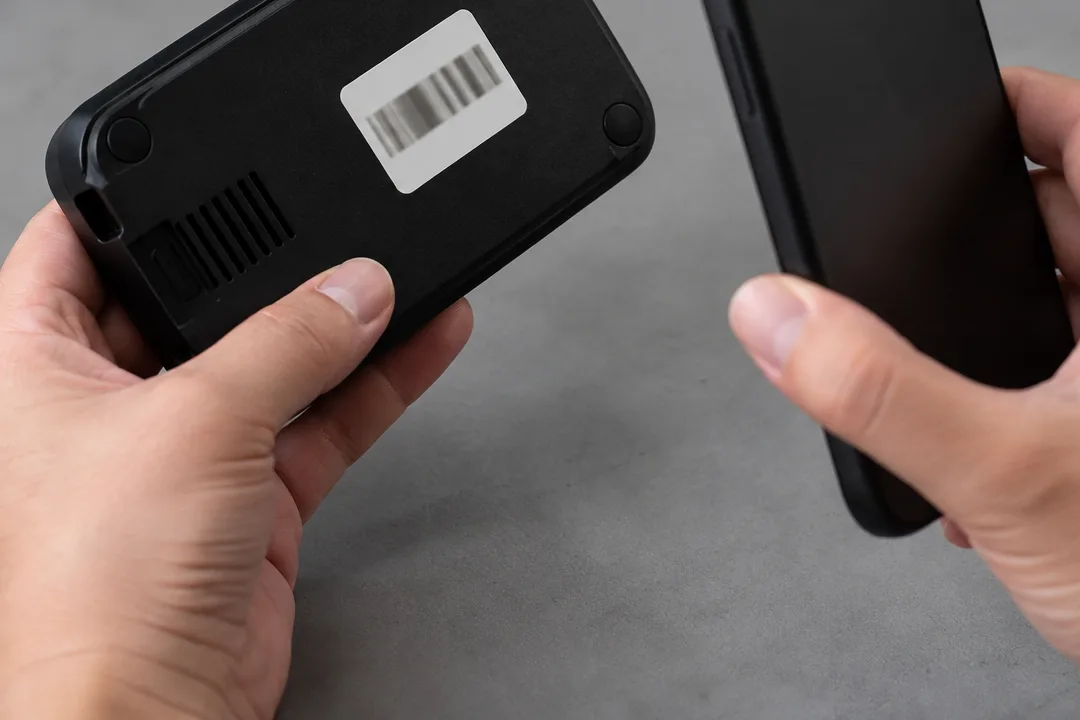
PallasMark records the order as it was packed. A packer scans the order barcode, the order opens, and the video or photos are bound to it on any phone. Every file gets a SHA-256 fingerprint, with a public verification page anyone can open without an account.
For high-value orders, the team sends the sealed recording to the buyer with one tap; they watch and approve before the parcel ships, and the record keeps how long they watched (buyer approval). On returns, the buyer films what they send back through a link (return evidence).
When a dispute lands, generate the evidence dossier: a PDF with four stills per video, order details, approval and return evidence, and the carrier and tracking number read from your store. Shopify Payments chargebacks open a case with reminders 7 days and 48 hours before the deadline; you upload the PDF. See packing video proof; the free plan needs no card.
Back to the seller dispute evidence hub, or read item not received chargebacks for the delivery side.
Frequently asked questions
What is friendly fraud?
Friendly fraud is a cardholder disputing a purchase they actually made, through confusion or on purpose. Visa calls it first-party misuse and describes it as a cardholder disputing a legitimate purchase they intended with their issuer. It differs from third-party fraud, where a criminal uses someone else's card.
How do I prove a chargeback is friendly fraud?
You don't prove the customer's motive; you answer the claim the dispute makes. For a fraud code, show the cardholder's history and authentication data. For not received, show carrier proof of delivery with the full address. For wrong or damaged, show the listing and a dated record of exactly what you packed.
Does Visa Compelling Evidence 3.0 work for small stores?
Only for Visa 10.4 card-absent fraud disputes where you can show two earlier undisputed transactions on the same card with matching device or IP data and another identifying element. Visa's merchant guide says it is less likely to apply to first-time purchases and guest checkout. Visa updated the criteria for disputes processed from 24 October 2026, so confirm the current version with your acquirer.
Does a packing video help with friendly fraud?
It helps when the dispute is about the goods: wrong item, missing piece, damage or an empty box. It does not help with a fraud-coded dispute, which asks whether the cardholder authorized the payment. Shopify Payments accepts only PDF, JPEG or PNG evidence, so submit stills from the recording.
The customer accepted a refund and filed a chargeback anyway. What do I send?
Send the refund record with its date, amount and transaction reference, plus the written agreement. Visa also accepts a cardholder's withdrawal where the dispute condition allows it, if it is dated after the dispute began, clearly accepts the transaction and includes the transaction details. Withdrawal is not available for authorization disputes.
How do I prevent friendly fraud chargebacks?
Use a statement descriptor customers recognize and send receipts, which Stripe recommends for fraud disputes. Authenticate with 3-D Secure, enable AVS and CVV2, store device and IP data on every order, and ask your processor about Order Insight and Rapid Dispute Resolution. For goods disputes, let the buyer see their packed order before it ships.
Do friendly fraud disputes still count toward my dispute ratio?
Visa's acquirer monitoring program counts fraud reports and disputes against settled transactions. Its fact sheet lists two exclusions: disputes resolved through pre-dispute solutions, and fraud reports that qualify for Compelling Evidence 3.0. Resolving before the dispute is filed is the cleanest way to keep them out of the ratio.
- friendly fraud
- chargebacks
- first-party misuse
- compelling evidence 3.0
- dispute evidence
- visa 13.3