Part of the Warehouse and 3PL evidence guide
Damaged Inventory Quarantine Process: Free SOP with Photo Steps

On this page
Printable resource
Damaged Inventory Quarantine SOP
A two-page incident record: flag, quarantine, inspect, disposition and close, with a required photo at each step, a unit table and an approval block for finance.
When to use this damaged inventory SOP
Use it every time a unit is found damaged, suspect or unsellable inside the building: at receiving, in storage, at the pick face, at packing or in returns. The process is the same in each case; what changes is who usually carries the cost, and that is exactly what the photos have to settle.
| Where the damage is found | Who usually carries the cost | What the first photo must show |
|---|---|---|
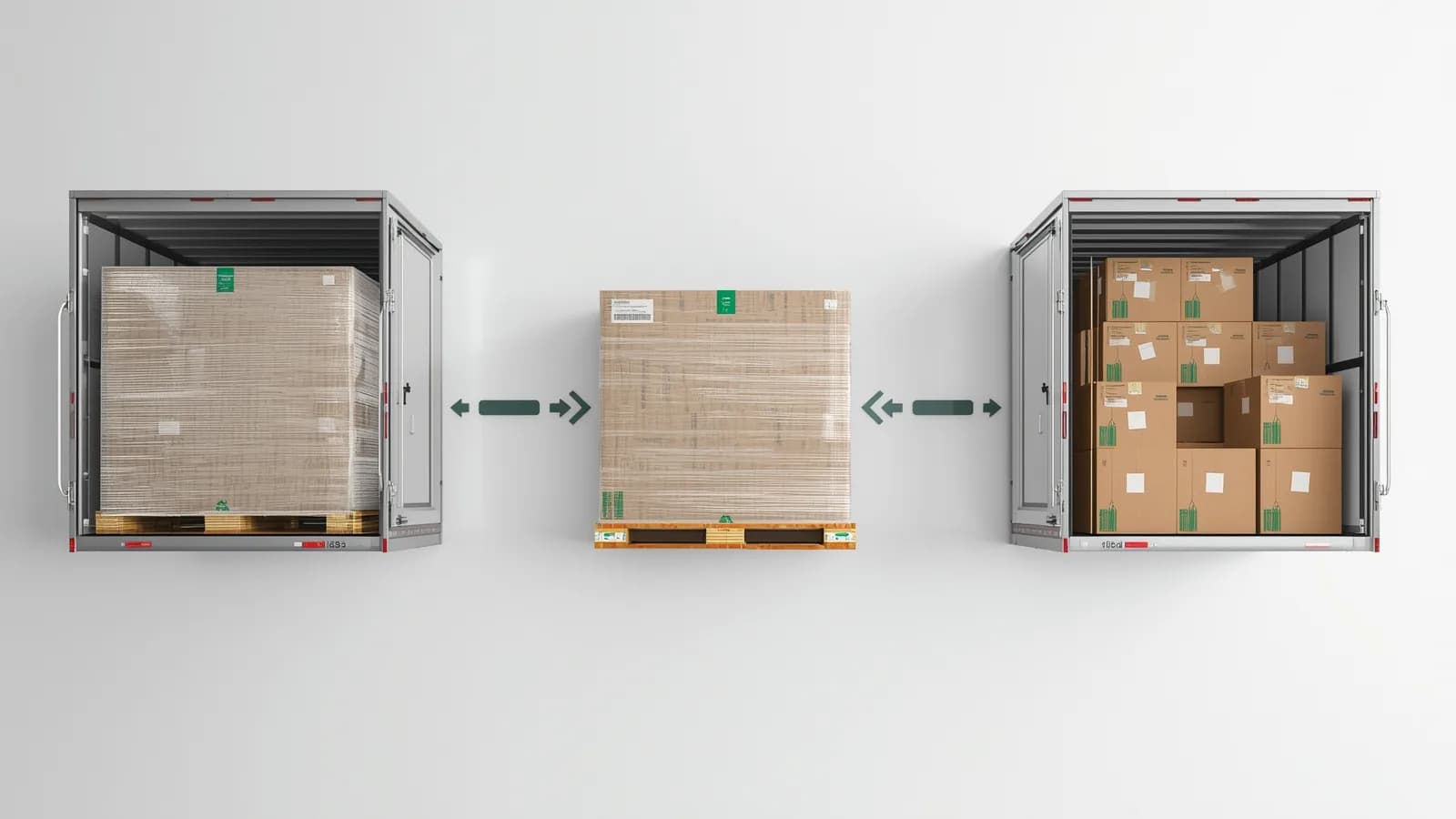
| Receiving (arrived damaged) | Carrier or supplier, depending on the shipment terms | The load and label before it moved; see freight damage at receiving |
| Storage (rack strike, forklift, water) | Usually the warehouse, if it failed to take reasonable care | The unit in its location, the location label, the damage |
| Pick face or packing | The warehouse, under most 3PL agreements | The unit, its bin, and the order or wave reference |
| Customer returns | Depends on grade and return reason | The return as opened; see returns inspection grading |
| Defective lot or weak packaging | Brand or supplier | Several units from the same lot, the lot label, the packaging failure |
The ownership question is not academic for a 3PL. Under UCC section 7-204, a warehouse is liable for loss of or damage to goods caused by its failure to exercise the care a reasonably careful person would, and the storage agreement can limit the amount. A brand that sees a damage line on its invoice will ask one question: did it happen in your building? The full liability picture is in 3PL liability for lost or damaged inventory.
Most published procedures agree on the flow but go soft on the evidence. Racklify's guide to flagging and processing damaged inventory in a WMS (published August 3, updated September 18, 2026) asks for a photo "if possible" at intake, then recommends requiring images for every damaged-item transaction in its tips. MangoApps' damaged goods quarantine tag has a photo field that is optional. This SOP takes the stricter line: no photo, no step.
The quarantine SOP, step by step
The SOP runs five steps under one incident number, and each step ends with a required photo and a system status that matches the physical location.
| Step | What happens | Required photo | System status |
|---|---|---|---|
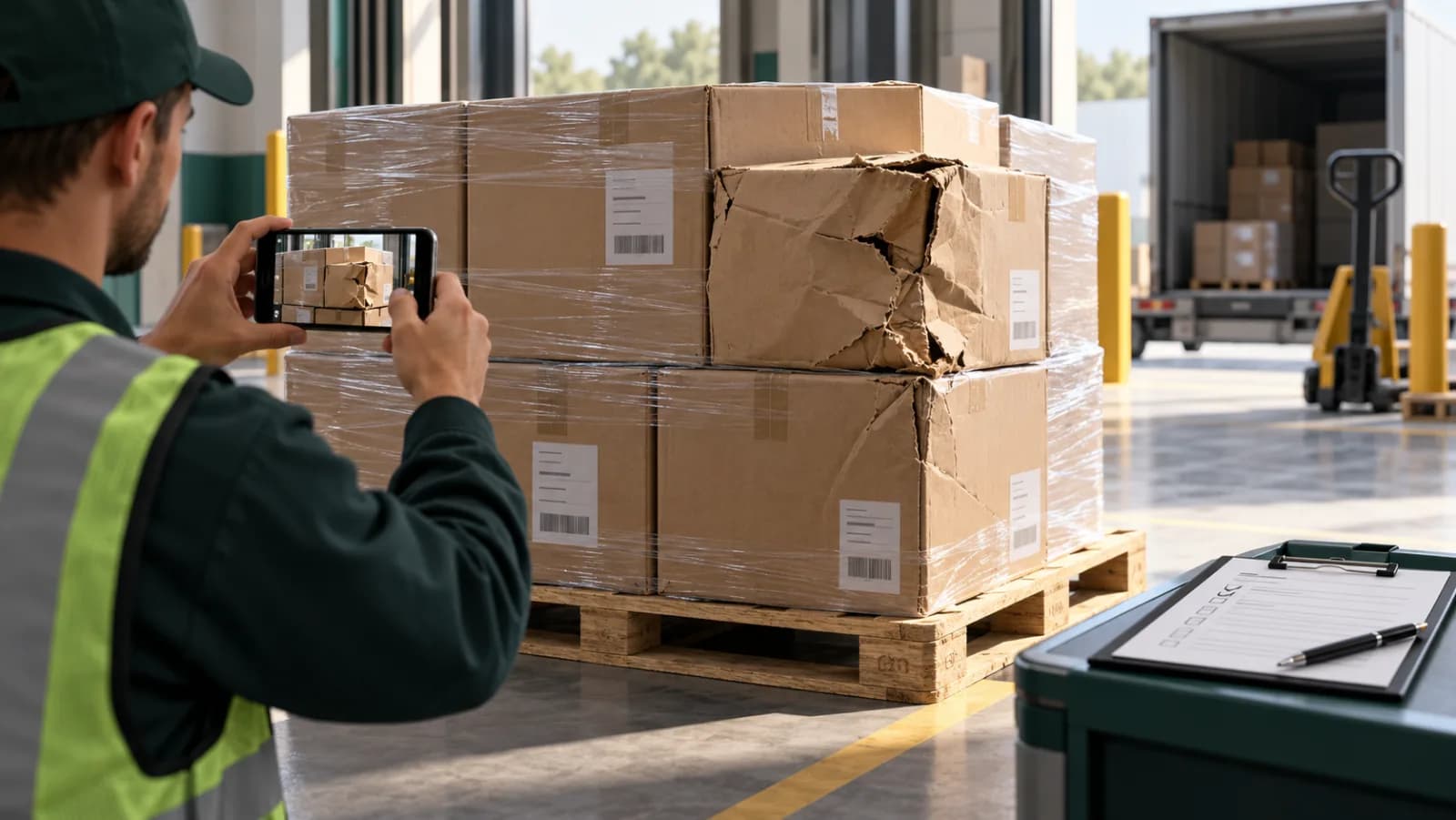
| 1. Flag | Stop. Tag the unit with an incident number. Record SKU, quantity, location, who found it and when. Move it only if it is unsafe where it is. | Wide shot in place, close-up of the damage, SKU or pallet label legible | Damaged / on hold (blocked from picking) |
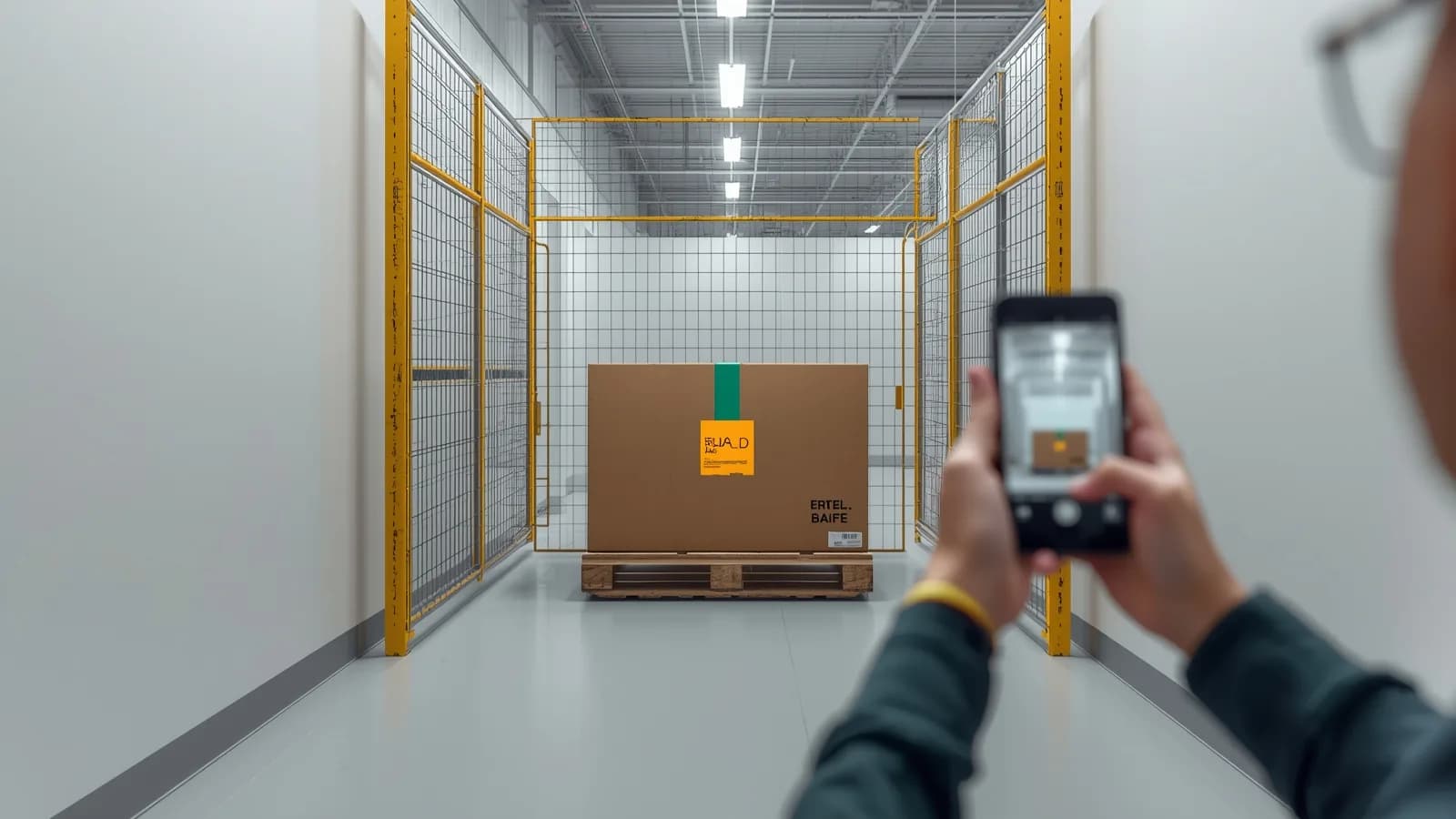
| 2. Quarantine | Move the unit to a marked cage, aisle or bin outside every pick path. | The unit in the quarantine location with the hold tag visible | Quarantine location |
| 3. Inspect | The assigned owner (QA, returns or brand liaison) counts, grades and describes the damage within the agreed time. | Each defect, inner packaging, lot or serial label | Inspection complete |
| 4. Disposition | One decision, approved by someone with authority for that value. | The result: RTV carton with RMA label, reworked unit, destruction, or unit back in its pick location | Disposition recorded |
| 5. Close | Post the adjustment under a damage transaction type, attach evidence, notify the brand. | None new; the record links the full photo set | Closed |
Disposition: what each outcome needs on file
The disposition is where money moves, so each outcome has its own evidence.
| Disposition | When it fits | Keep on file |
|---|---|---|
| Return to vendor (RTV) | Supplier defect, or inbound damage within the supplier's terms | RMA or RTV number, defect photos, photo of the outbound RTV carton or pallet with its label, BOL or tracking, supplier acknowledgment |
| Rework or repack | Packaging damaged, product sound | Before and after photos, new label photo, labor time, approver |
| Sell as-is or liquidate | Cosmetic damage, product works | Grade, photos, offer or sale price, proceeds |
| Write off (destroy or donate) | Unsalable | Photos, approval, destruction certificate or donation receipt |
| Return to stock | Inspection found the unit sound | Photo of the sound unit, inspector sign-off, put-away location |
The incident record template
Copy these fields into your WMS notes, a form tool or the printed PDF. One incident covers one event; ten units crushed by one forklift strike are one incident with a ten-unit table.
How to fill it in
Fill the first half at the moment of discovery and the second half at inspection; the record is only complete when every photo reference has a file behind it.
- One reference everywhere. The incident number goes on the physical tag, in every photo, in the WMS adjustment and in the email to the brand. A photo that cannot be matched to the record is a photo nobody can use.
- Probable stage, not blame. "Found in storage, rack location A-14-03, upright damaged" is useful. "Forklift driver hit it" belongs in your internal incident process, not the client record.
- Units table. List each SKU line with quantity, damage seen and grade. If units differ in damage, give each its own line and photo.
- Approval thresholds. Write the dollar limit each role can approve. Write-offs above it go to finance or the client.
- Brand notification. For a 3PL, the brand should see the record before the invoice, not after it.
Turning the record into write-off evidence
A write-off is a financial event, and the people who review it, finance, auditors and the brand, were not on the floor. The record has to stand on its own.
Cleverence's guide on whether you can write off inventory (April 2026) describes the evidence packet well: SKU-level detail, quantities, unit costs, a reason code, photos for damage or spoilage, count sheets or scan logs, approvals, and destruction certificates or proof of proceeds, all tied to the journal entry. Racklify adds the accounting discipline: use distinct transaction types for damaged-inventory adjustments so finance can reconcile write-offs and recoveries.
There is also a tax reason to keep the photos. In the US, Treasury Regulation 1.471-2(c) lets goods that are unsalable at normal prices because of damage be valued at a bona fide selling price less direct cost of disposition, puts the burden of proof on the taxpayer, and requires records of the disposition so the inventory can be verified. Ask your accountant how it applies to you; the practical point is that "we threw it away" is not a record.
What makes the photos hold up:
- The reference is in the frame. The hold tag with the incident number, the pallet label or the bin label.
- Wide, then close. One frame that shows where the unit is, then the detail.
- Time and person come from the system, not the camera roll. A file in someone's gallery has no reliable link to the incident.
- Originals are kept. Annotated copies are fine for a presentation; the original stays untouched.
- The disposition is photographed too. Destruction, donation pickup or the RTV pallet leaving the dock closes the loop.
For a 3PL, this is also the difference between a credit memo and an argument. A brand that receives a damage charge with a dated photo set from flag to disposition rarely disputes it; a brand that receives a line item does. If the unit was damaged on arrival, the receiving discrepancy report and the quarantine record should carry the same pallet reference, so the cost goes back to the carrier or supplier instead of your P&L.
How PallasMark digitizes this SOP
PallasMark turns each incident into a warehouse record that is filed under the reference your team already uses and that the brand can check on its own.
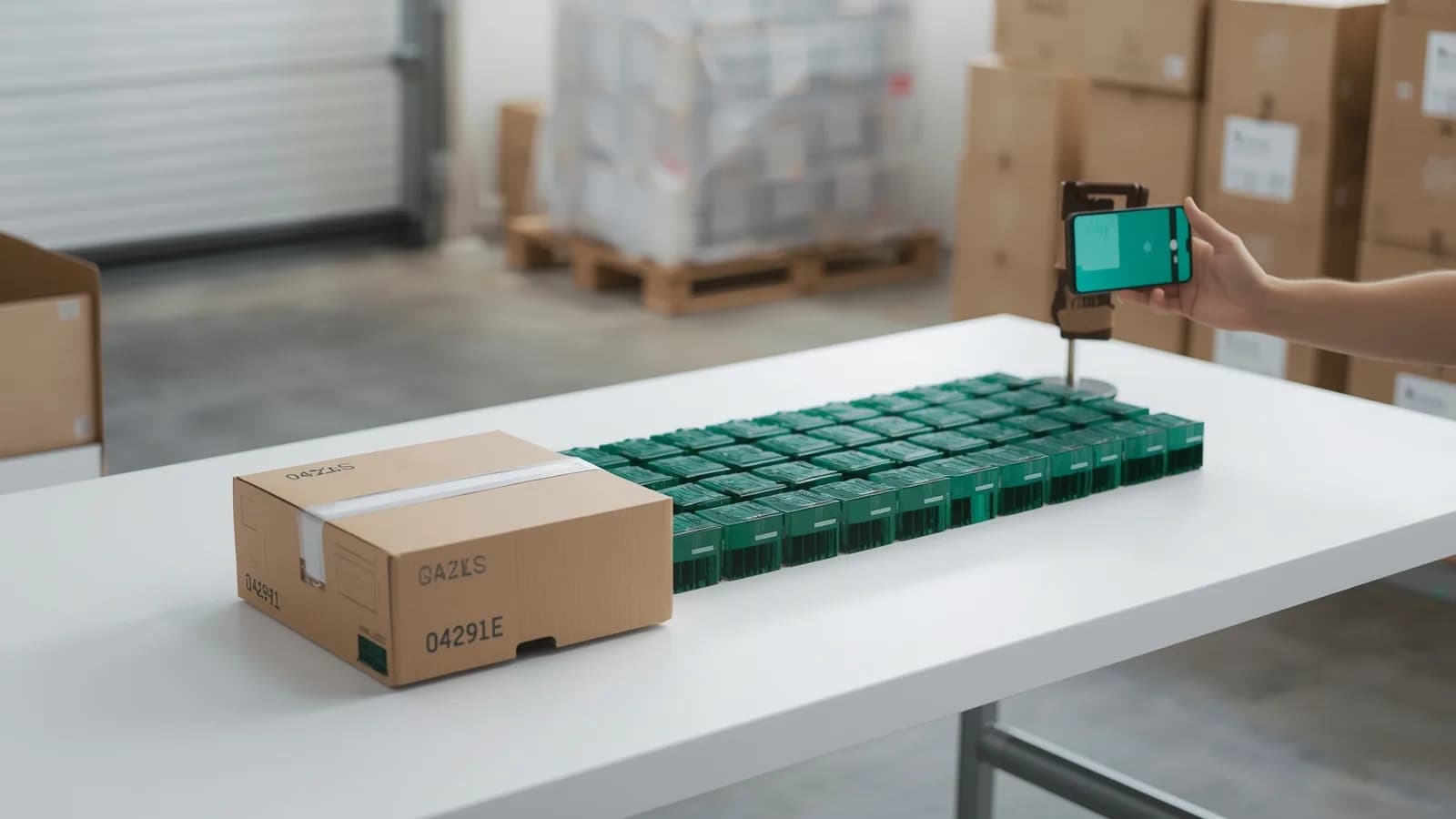
- Scan, then shoot. The operator scans the pallet or carton label on an iPhone or Android phone and the record opens under that reference, at that facility, for that client brand. Photos and video are captured in the same record, with no extra hardware.
- Your fields, not ours. Add custom fields for incident number, disposition, RMA number or lot. On the Scale plan, AI label reading fills supplier, batch or lot, quantity and your custom fields from a photo of the label, and the operator checks the values before saving.
- A trail finance can rely on. Every file gets a SHA-256 fingerprint, so any edit shows. Each record shows who created it and when, and a location check records whether it was captured inside the facility area. There is no edit button for recordings.
- Month-end in minutes. Filter incidents by facility, client, date, condition, creator and custom fields to build the write-off list for finance.
- One link to the brand. Share a single incident record with the client brand, supplier or carrier through a link with an expiry, an optional PIN and download settings. They see that record, nothing else, without an account, and you can revoke the link at any time. The public verification page re-checks each file's fingerprint when they open it.
- The right people see the right clients. The operator role is built for warehouse staff, and access follows the facilities and clients each person is assigned.
See Warehouse proof for the full workflow and PallasMark for 3PL fulfillment for multi-client setups. There is a free plan with no card; plan details are on pricing.
Related reading
This SOP is one part of the 3PL evidence playbook, which maps every point where a warehouse needs a record. For what happens before stock reaches quarantine, start with documenting freight damage at receiving; for how damage and shrink are priced into the contract, see 3PL shrinkage allowance benchmarks.
Frequently asked questions
What is a damaged inventory quarantine process?
It is the sequence a warehouse follows when it finds damaged or suspect stock: flag the unit, block it from picking, move it to a marked quarantine area, inspect it, and close it with one disposition such as return to vendor, rework, sell as-is, write-off or return to stock. The point is that nothing leaves quarantine without an inspection result and an approved decision.
Should photos be mandatory for damaged inventory?
Yes, at every step. Many templates treat the photo as optional, but the photo is what lets finance, the brand owner or a supplier check the incident without walking the floor. Require at least one photo when the damage is found, one in quarantine, one at inspection and one of the final disposition, all tied to the same incident number.
What documentation does a warehouse write-off need?
Keep the SKU, quantity, unit cost, reason code, photos of the damage, count sheets or scan logs, the approval and proof of what happened to the goods, such as a destruction certificate, donation receipt or liquidation invoice. Post it under a damage-specific transaction type so finance can reconcile write-offs and recoveries separately from ordinary count adjustments.
Who pays for inventory damaged inside a 3PL warehouse?
It depends on where and how the damage happened and on the warehouse agreement. Under UCC section 7-204 a warehouse is liable for loss or damage caused by its failure to exercise reasonable care, and the storage agreement can limit the amount. Damage that arrived on the inbound shipment usually goes back to the carrier or supplier instead, which is why the receiving record and the quarantine record need to agree.
How long should damaged stock stay in quarantine?
Set a maximum time in your SOP and escalate when it is exceeded, so stock does not age in a cage while its value and claim windows run out. The right number depends on your carrier, supplier and client terms, because some notice periods are short. Track days in quarantine as a KPI.
How does PallasMark help with damaged inventory?
The operator scans the pallet or carton label, photographs and films the damage on a phone, and the record is filed under that reference, facility and client brand with every file fingerprinted. Finance can filter incidents by client, date and condition, and the 3PL can share one incident record with the brand through a link that needs no account.
- damaged inventory
- quarantine
- warehouse sop
- inventory write-off
- 3pl